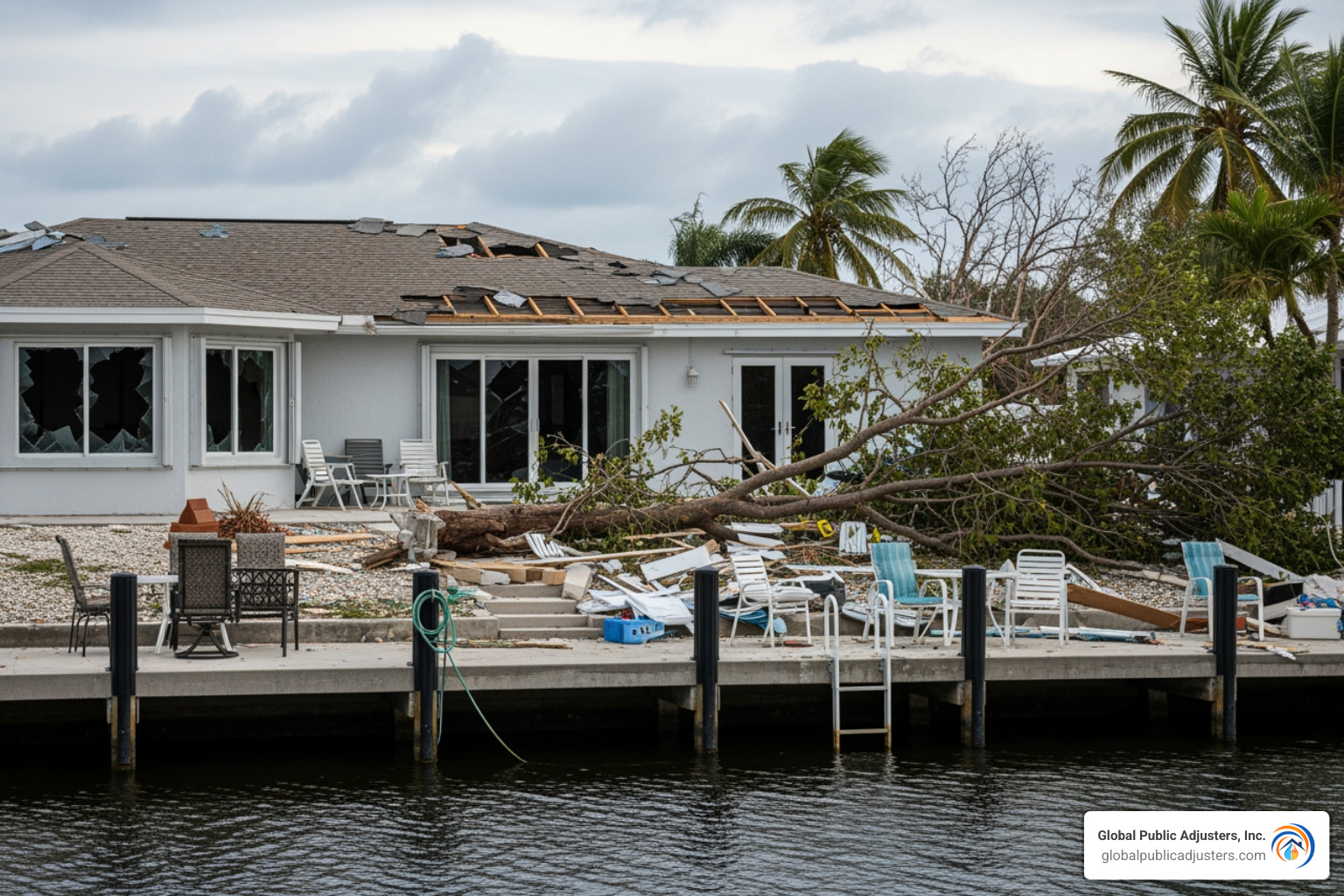
Dispute Insurance Claim: 5 Steps to Win
When Your Insurance Company Says “No”: Understanding Your Right to Fight Back
Dispute insurance claimdecisions can feel overwhelming, but you’re not powerless. When your insurer denies your claim or offers far less than you need to rebuild or repair, you have specific rights and proven strategies to challenge that decision.
Quick Answer: How to Dispute an Insurance Claim
- Review your denial letter and policy– Understand exactly why your claim was rejected and what your policy covers
- Gather comprehensive documentation– Collect photos, receipts, estimates, and all communications with your insurer
- File a formal appeal– Submit a written dispute to your insurance company with supporting evidence
- Contact your state insurance department– File a complaint with regulators who oversee insurance companies
- Consider professional help– Hire a public adjuster or attorney if the claim is complex or the insurer remains unresponsive
Few situations are more frustrating than facing property damage and then having your insurance company—the one you’ve paid premiums to for years—deny your claim or offer a settlement that doesn’t come close to covering your losses. In 2022 alone, the U.S. property/casualty insurance industry incurred $778.9 billion in losses, yet the National Association of Insurance Commissioners received over 400,000 consumer complaints that same year.
The reality is that claim disputes are common.You and your insurer may disagree over the extent of damage, the cost of repairs, whether all or part of your claim is covered, or how policy language should be interpreted. Insurance companies have teams of adjusters, attorneys, and technical specialists working to limit payouts—but you have rights too.
This guide walks you through the complete process of disputing an insurance claim, from understanding why denials happen to knowing when to escalate your dispute and get professional help. Whether you’re dealing with storm damage, water intrusion, fire loss, or any other property claim, you’ll learn the exact steps to challenge an unfair decision and fight for the settlement you deserve.
Simpledispute insurance claimglossary:
Understanding the Denial: Why Insurers Reject or Underpay Claims
When your insurance company denies a claim, it means they are refusing to pay out the claim you’ve submitted. A low settlement offer is a partial denial, as it doesn’t cover the full extent of your damages. Both situations can leave you feeling bewildered and frustrated. But why does this happen?

Common reasons for an insurance claim denial or a low settlement offer include:
- Lack of Coverage:The damage isn’t covered by your specific policy. For example, most standard homeowners policies in Florida do not cover flood damage, requiring a separate flood insurance policy.
- Policy Exclusions:Your policy explicitly excludes the cause of damage. For instance, mold damage might be excluded if it’s due to long-term leakage rather than a sudden, covered peril.
- Inaccurate or Incomplete Information:Errors or missing details in your claim submission.
- Failure to Meet Policy Conditions:You didn’t fulfill a requirement, such as making temporary repairs to prevent further damage after a loss.
- Late Filing:You submitted your claim or supporting documents past the deadline specified in your policy. Most policies have time limits, typically 90 days to 12 months from the date of loss.
- Suspected Fraud:The insurer believes the claim is fraudulent (though this is less common for legitimate claims).
- Disagreement on Scope or Cost:The insurer’s assessment of the damage or the cost to repair it is significantly lower than yours.
For property owners in Florida, common issues that lead to insurance coverage disputes often revolve around water damage and roof claims. Insurers might cite ambiguous policy language, broad exclusions, or disputes over the cause of damage. For instance, they might argue that water intrusion was due to poor maintenance rather than a sudden, covered event. Similarly, roof claims might be denied due to age, “wear and tear” exclusions, or disputes over whether the damage warrants a full replacement or just a repair. Sometimes, a denial can stem from honest misunderstanding, miscommunication, or inadequate documentation on the policyholder’s part, but other times, it’s a tactic to limit payouts.
You can learn more about specific denial reasons by visiting our page onReasons Why Your Property Insurance Claim Can Be Denied.
Replacement Cost Value (RCV) vs. Actual Cash Value (ACV)
One of the most frequent sources of dispute in property claims, especially for homeowners, is the difference between Replacement Cost Value (RCV) and Actual Cash Value (ACV). Understanding this distinction is crucial to getting a fair settlement.
- Replacement Cost Value (RCV):This is the cost to replace your damaged property with a new item of similar kind and quality,withoutdeducting for depreciation. If your policy is RCV, the insurer will typically pay the full cost to replace the item once you actually replace it. For example, if a ten-year-old roof is damaged, RCV would cover the cost of a brand-new roof.
- Actual Cash Value (ACV):This is the cost to replace your damaged property with a new item,minusdepreciation. Depreciation accounts for the age, wear, and tear of the item. So, for that ten-year-old roof, ACV would pay you the value of a ten-year-old roof, not a new one.
How does this cause disputes? Imagine your eight-year-old washing machine is destroyed in a fire. Under an ACV policy, the insurer might offer you a few hundred dollars for its depreciated value. If you have an RCV policy, they might initially send a check for the ACV, and then a second check for the remaining replacement cost once you purchase a new washing machine and provide proof of purchase. Disputes arise when policyholders expect RCV but only receive ACV, or when the depreciation calculation itself is contested. We often see disagreements over the depreciated value of items or the initial settlement check for belongings.
For more information on residential property claims, you may find general insights in guides like theResidential Property Claims Guide.
Your First Moves: Building a Case to Dispute an Insurance Claim
When an insurance claim is denied or underpaid, your immediate reaction might be frustration. However, taking proactive and organized steps right away can significantly strengthen your position todispute insurance claimdecisions. Policyholders are often at a disadvantage because insurance claims frequently involve technical and legal issues that insurers are more familiar with. Your goal is to level the playing field.
Step 1: Thoroughly Review Your Policy and Denial Letter
Your insurance policy is a contract, and the denial letter is your insurer’s interpretation of that contract. Your first step is to become intimately familiar with both.
- Read the Denial Letter Carefully:This lettermustprovide specific reasons for the denial and reference the exact policy language or exclusions used to justify their decision. Don’t just skim it! Understand precisely why your claim was rejected.
- Review Your Policy:Pull out your actual policy documents. Don’t rely on memory or what youthinkyour policy covers. Pay close attention to:
- The Declarations Page:This summary outlines your coverage limits, deductibles, and the types of coverage you have.
- Coverage Sections:Locate the sections relevant to the type of damage you incurred. Does it explicitly cover the peril (e.g., windstorm, fire, water damage)?
- Exclusions:Look for any clauses that exclude coverage for certain types of damage or causes of loss.
- Conditions:Are there any conditions you needed to meet (e.g., notifying the insurer within a certain timeframe, making temporary repairs)?
- Policy Language:Insurance contracts are complex. Look for any ambiguous language. In Florida, courts often rule in favor of policyholders when policy language is misleading or ambiguous.
Understanding these details will help you identify specific points of disagreement and form the basis of your appeal.
Step 2: Document Everything Carefully
Documentation is your superpower when youdispute insurance claimdecisions. The more evidence you have, the stronger your case.
Evidence Gathering:Start building a comprehensive file. This should include:
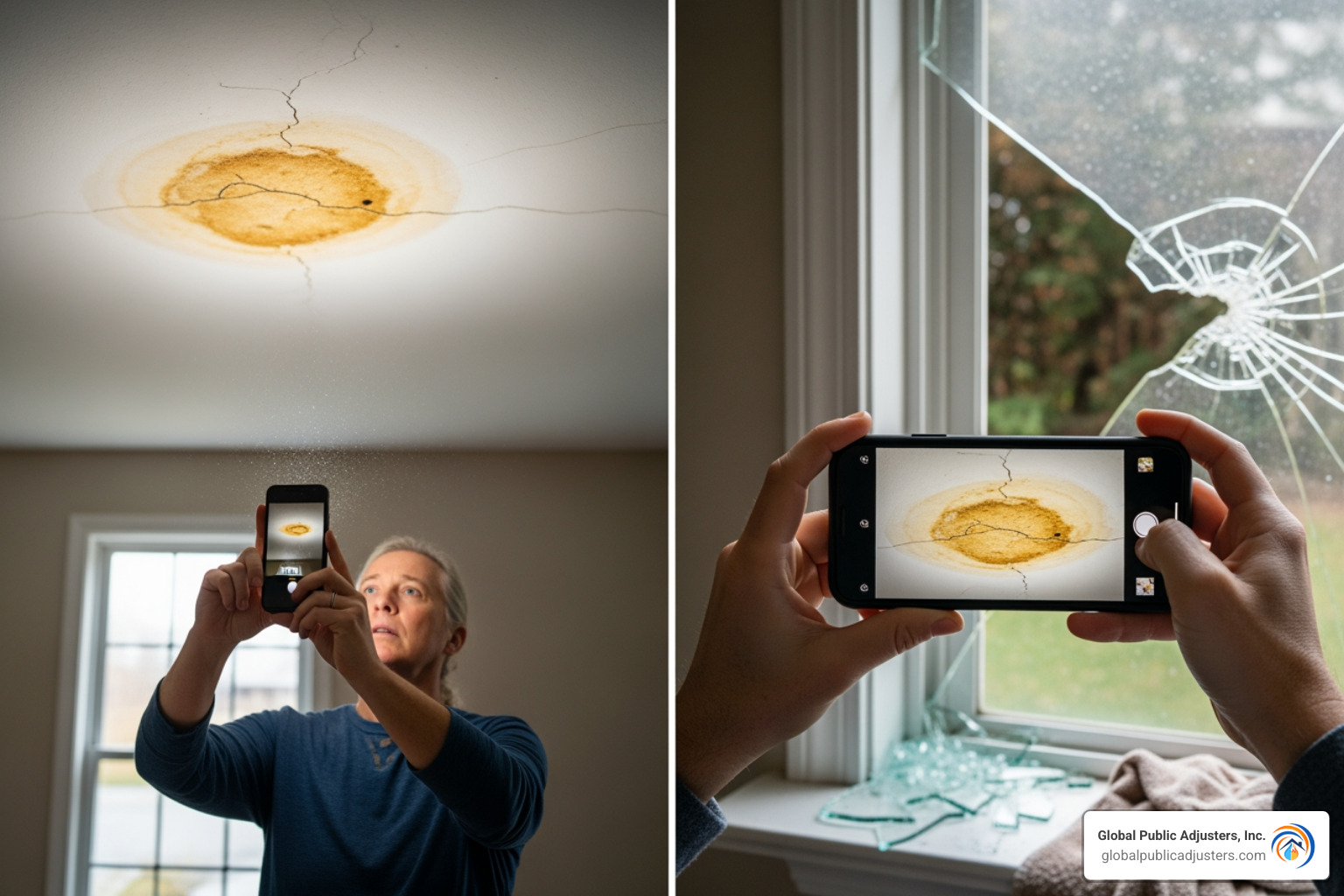
- Photos and Video Evidence:Capture the damage from multiple angles, wide shots and close-ups, with clear timestamps if possible. Document thebeforeandafterif you have any. Digital photos are great, but don’t forget video walkthroughs.
- Contractor Estimates:Obtain detailed, written estimates from reputable, licensed contractors in Florida for the cost of repairs. Ideally, get multiple estimates to show a range and fair market value. These should clearly outline the scope of work and materials needed.
- Receipts for Temporary Repairs:If you made immediate temporary repairs to prevent further damage (which you should always do!), keep all receipts for materials and labor. These costs are typically reimbursable.
- Proof of Ownership and Value:For damaged personal property, gather receipts, invoices, bank statements, credit card statements, photos, or videos that prove ownership and the value of the items. A home inventory list is invaluable here.
- Expert Assessments:If relevant, get reports from engineers, plumbers, roofers, or other specialists who can attest to the cause and extent of the damage.
Communication Log:Maintain a meticulous record of every interaction with your insurance company.
- Dates and Names:Note the date, time, and name of every person you speak with (adjusters, customer service reps, supervisors).
- Summary of Conversation:Briefly summarize what was discussed, any instructions given, and any agreements made.
- Written Communication:Whenever possible, communicate in writing (email or certified mail). If you have a phone conversation, follow up with an email summarizing what was discussed. This creates a verifiable paper trail.
- Keep Copies:Make copies of everything you send and receive. A dedicated email folder for your claim is a good idea.
Effective documentation is key. As United Policyholders notes, a robust claim guidance library includes examples of forms and requests related to claims and sample proof-of-loss documents.
Step 3: Formally Respond to the Insurer
Once you’ve gathered your evidence and reviewed your policy, it’s time to formally challenge the denial or low offer.
- Write a Dispute Letter:Draft a clear, concise, and professional letter to your insurance company. This letter should:
- Reference your claim number and policy number prominently.
- State that you are disputing their decision.
- Clearly explainwhyyou disagree, referencing specific policy language and the evidence you’ve gathered.
- Include all your supporting documents as attachments (don’t send originals!).
- Request a re-evaluation of your claim and a specific desired outcome (e.g., full coverage for repairs, a higher settlement amount).
- Send the letter via certified mail with a return receipt requested. This provides proof that the insurer received your appeal.
Polite but firm communication is usually more effective than an adversarial tone at this stage. You can find more detailed guidance on how to respond to a denial on our pageWhat to Do When Your Home Insurance Claim Is Denied.
Escalating Your Dispute: Avenues for Resolution
If your initial appeal to the insurance company doesn’t yield a satisfactory result, it’s time to consider escalating yourdispute insurance claimto other avenues. You have several formal resolution methods available to you.
Internal Appeals and Company Review
Even after your initial dispute letter, you might need to pursue further internal appeals within the insurance company. This means asking the insurer to conduct a full and fair review of its decision.
- Asking the Insurer to Reconsider:If your agent or the initial claims representative can’t resolve your problem, ask for the name and contact information of the head of the claims department or the consumer complaint department.
- Requesting a Higher-Level Review:Many insurance companies have a formal internal appeal process. You have the right to request that your claim be reviewed by a different, often more senior, adjuster or a dedicated appeals committee within the company. For urgent cases, such as an immediate need for repairs to make your home habitable, the insurance company might be required to speed up this process. Ensure you understand their specific internal appeal procedures and deadlines.
The Role of Your State’s Department of Insurance
When you’re struggling to get a fair shake from your insurer, your state’s Department of Insurance can be a valuable resource. In Florida, this would typically involve the Florida Department of Financial Services, Division of Consumer Services.
- Consumer Protection:State insurance departments are government agencies tasked with regulating the insurance industry and protecting consumers. They can act as an impartial third party to review your complaint.
- Filing a Formal Complaint:You can file a formal complaint with the Florida Department of Financial Services. While they may not directlyforcethe insurer to pay your claim, they will investigate whether the insurance company handled your claim according to state laws and regulations. They collect information and may alert you if your case is chosen for individual review.
- How Regulators Can Help:The department can review your claim, ensure the insurer is complying with fair claims settlement practices, and mediate disputes. If they find the insurer acted improperly, they can take enforcement action against the company, which can sometimes prompt the insurer to re-evaluate your claim.
You can find contact information for your state’s insurance department through resources like theNAIC Map of State Insurance Departments. For Florida, you would typically visit the Florida Department of Financial Services website or call their consumer hotline.
Alternative Dispute Resolution (ADR) Methods
Beyond internal appeals, there are several formal Alternative Dispute Resolution (ADR) methods that can help resolve yourdispute insurance claimwithout going to court.
- Negotiation:This is the most common and often the fastest method. It involves direct discussions between you (or your representative) and the insurance company to reach a mutually agreeable settlement. The pros are speed and cost-effectiveness. The cons are that you might be at a disadvantage if you lack experience or sufficient leverage.
- Mediation:In mediation, a neutral third party (the mediator) facilitates communication between you and the insurer to help you reach a settlement. The mediator doesn’t make decisions but guides the discussion.
- Pros:Mediation is often faster and less expensive than litigation. It’s confidential and allows for creative solutions. It can be particularly useful when communication has broken down.
- Cons:Mediation is typically non-binding, meaning either party can walk away if they don’t agree with the proposed solution. Insurance company representatives often have more experience in mediation, so preparing well is crucial.
These methods are appropriate when there’s a good faith disagreement over the amount of loss or interpretation of policy terms, and both parties are willing to compromise.
Using the Insurance Appraisal Process
Insurance appraisal is a specific dispute resolution method often included in property insurance policies, particularly useful when there’s a disagreement solely about theamountof the loss.
- Appraisal Defined:Appraisal is a process designed to determine the “scope and value of the loss.” This means identifying what was damaged, how badly, and how much it should cost to repair or replace. It doesnottypically determine whether the entire loss is covered by the policy, only the monetary value of the damage itself.
- When to Use Appraisal:Appraisal is used when you and your insurer agree that the damage is covered, but you disagree on the cost of repairs or the extent of the damage. For example, if your roof is clearly damaged by a covered peril, but your contractor’s estimate is $30,000 and the insurer’s is $15,000, appraisal can help bridge that gap.
- Selecting Appraisers:Each party (you and the insurer) selects an independent appraiser. These appraisers then work together to determine the amount of loss.
- Umpire Role:If the two appraisers cannot agree, they jointly select a neutral third party called an “umpire.” The umpire then reviews the positions of both appraisers and makes a final, binding decision on the amount of the loss. A decision agreed upon by any two of the three (your appraiser, the insurer’s appraiser, or the umpire) is typically binding.
Appraisal can be a faster and less expensive alternative to litigation for disputes solely focused on the cost of repair. However, it’s a technical process, and having experienced professionals on your side is critical. This is one area where a public adjuster can be invaluable. You can read more about this on our pageSome Reasons to Hire a Public Adjuster for Property Damage.
When to Get Professional Help: Public Adjusters
While navigating the initial steps of adispute insurance claimon your own is empowering, there comes a point when professional help becomes not just beneficial, but often essential. This is especially true for complex claims, when you’re dealing with unresponsive insurers, or when you feel truly outmatched. Insurance companies have entire departments dedicated to minimizing payouts; it’s okay to bring in your own expert.
- Complex Claims:If your property damage is extensive, involves multiple systems (e.g., roof, plumbing, electrical), or requires specialized knowledge (like mold remediation or structural engineering), a professional can ensure all damages are properly identified and valued.
- Unresponsive Insurers:When your insurance company is slow to respond, provides vague answers, or repeatedly requests the same documentation, it can be a sign that they are delaying or attempting to wear you down.
- Leveling the Playing Field:Policyholders are often at a significant disadvantage because insurance claims involve technical and legal issues that insurers are experts in. A public adjuster or attorney understands the jargon, the tactics, and the true value of your claim.
For more on why professional help can make a difference, check outFour Advantages of Using a Public Adjuster to Battle Your Insurance Company.
Red Flags: Signs You Need to Escalate Your Dispute Insurance Claim
How do you know when it’s time to stop trying to resolve the issue yourself and seek professional assistance? Look out for these red flags:
- Excessive Delays:Your insurer is taking an unreasonably long time to respond, investigate, or make a decision. While some delays are normal, prolonged silence or repeated requests for information you’ve already provided can be a tactic.
- Unreasonable Documentation Requests:The insurer asks for an overwhelming amount of documentation that seems irrelevant or impossible to provide, or they keep requesting information you’ve already submitted.
- Refusal to Provide Written Explanations:They give you verbal denials or vague reasons without a clear, written explanation citing specific policy provisions. Always insist on written communication.
- Pressure to Accept a Low Offer:The adjuster pushes you to accept a settlement offer that is clearly insufficient, often implying it’s the “best they can do” or that further negotiation will be futile.
- Intimidation Tactics:The insurer or adjuster uses language that makes you feel threatened, overwhelmed, or discouraged from pursuing your full claim.
- Sudden Policy Reinterpretations:The insurer suddenly changes its interpretation of your policy’s termsafteryour claim is filed, to your detriment.
- Denials That Defy the Policy:The denial seems to contradict the clear language of your policy or the nature of your covered loss.
These are strong indicators that your insurer might not be acting in your best interest, and it’s time to bring in an expert.
Understanding Insurance ‘Bad Faith’
Insurance companies owe their policyholders a “duty of good faith and fair dealing.” This means they must act honestly and reasonably when handling your claim. When an insurer breaches this duty, it’s known as acting in “bad faith.”
- Duty of Good Faith:Your insurance policy isn’t just a contract; it’s a promise that your insurer will protect you financially when a covered loss occurs. This promise comes with an implied duty to handle your claim fairly and promptly.
- Bad Faith Defined:Bad faith occurs when an insurance company unreasonably denies a valid claim, delays payment, or otherwise fails to uphold its obligations under the policy without a legitimate basis.
- Examples of Bad Faith Practices:
- Misrepresenting Policy Coverage:Deliberately misinterpreting policy language or exclusions to deny a valid claim.
- Failure to Conduct a Reasonable Investigation:Denying a claim without thoroughly investigating the facts, inspecting the damage, or considering all evidence.
- Withholding Critical Information:Failing to inform you about policy benefits, deadlines, or your rights.
- Unreasonable Denial:Denying a claim that is clearly covered by the policy.
- Dragging Out the Claims Process:Using excessive delays to pressure you into accepting a lower settlement out of desperation.
- Lowball Offers:Making settlement offers that are substantially less than the actual value of your damages, knowing you are vulnerable.
If you suspect your insurer is acting in bad faith, it’s crucial to seek professional help immediately.
How Public Adjusters Can Help You Dispute an Insurance Claim
This is where we, Global Public Adjusters, Inc., come in. Our team specializes in representing homeowners and business owners in Orlando, Pensacola, and across Florida. With over 50 years of combined experience, we know how to steer the complexities of insurance claims and maximize settlements for various types of damages.
A public adjuster is an independent claims professional who worksexclusivelyfor you, the policyholder, not the insurance company.
| Service Provided by Public Adjusters | Description | Benefit to Policyholder |
|---|---|---|
| Comprehensive Damage Assessment | A public adjuster will conduct a thorough, independent inspection of your property to identify all damages, including those that are hidden or may have been overlooked by the insurance company’s adjuster. | Ensures a complete and accurate assessment of your loss, preventing you from settling for less than you are owed. |
| Policy Review and Interpretation | They will carefully review your insurance policy to understand the full extent of your coverage, including all clauses, endorsements, and limitations. | Identifies all potential areas of coverage you are entitled to, ensuring you don’t miss out on benefits you’ve paid for. |
| Claim Documentation and Filing | Public adjusters are experts at preparing and submitting the detailed, complex paperwork required for a claim. This includes cataloging damaged items, obtaining repair estimates, and presenting the claim in the format insurance companies require. | Reduces the administrative burden on you and minimizes the risk of errors or omissions that could lead to delays or denials. |
| Negotiation with the Insurance Company | Acting as your advocate, a public adjuster will handle all communications and negotiations with the insurance company. They use their expertise and knowledge of industry practices to argue for a fair and just settlement. | Levels the playing field, as you have a professional negotiator on your side, often resulting in a significantly higher settlement offer. |
For more information, learnWhat Can a Public Adjuster Do For Me?