Don’t Give Up: Reopening a Closed Insurance Claim
Why Your “Closed” Insurance Claim Might Not Be Final
Reopen insurance claimsituations happen more often than you think. After settling your property damage claim, you might find the payment doesn’t cover all your repair costs, or you find new damage that wasn’t included in the original assessment.
Here’s what you need to know about reopening insurance claims:
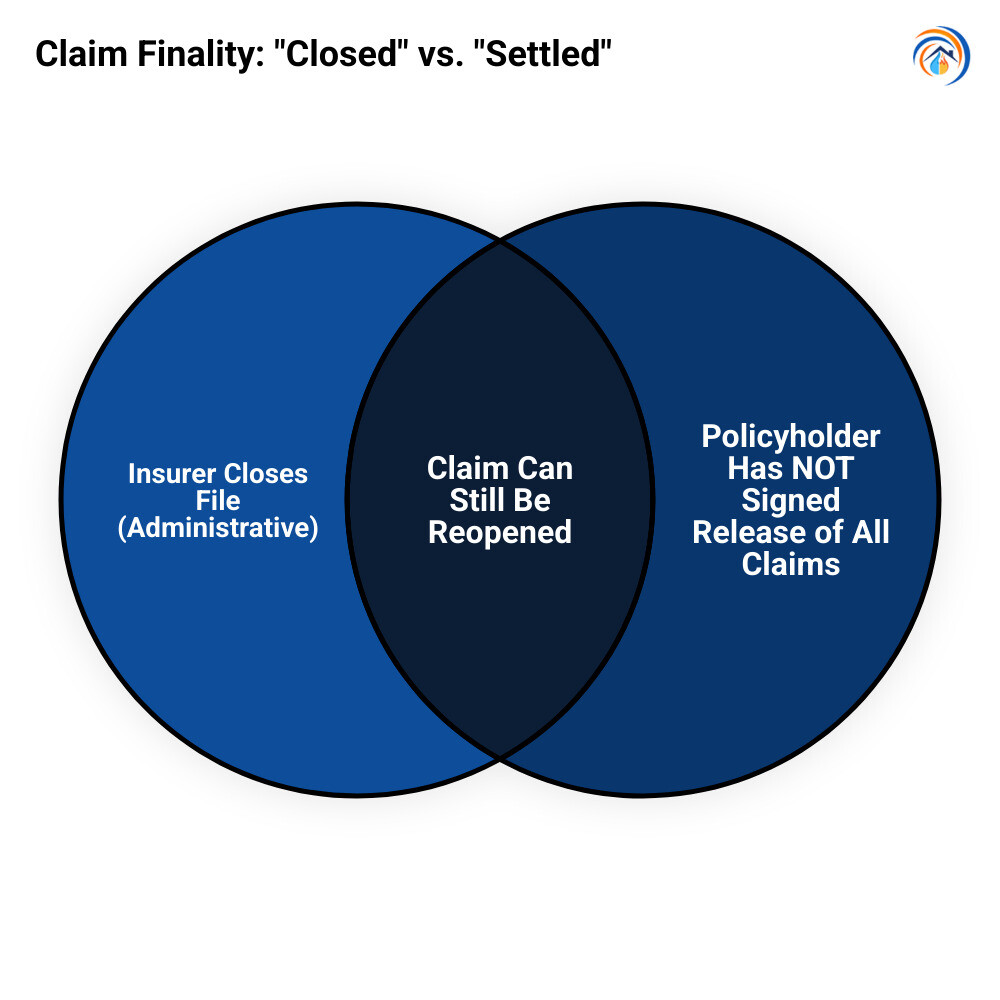
- “Closed” doesn’t always mean “final”– Insurance companies can close files for administrative reasons
- You can reopen if you haven’t signed a release– No signed “Release of All Claims” form means the claim isn’t legally settled
- New damage can justify reopening– Hidden structural issues, mold, or contractor errors found later
- Underpayment is grounds for reopening– When repair costs exceed your settlement amount
- Time limits apply– Most states allow about one year to reopen claims
The key is whether an insurer simply closed their file versus you signing a legally binding settlement. For example, about 30% of claims were reopened after Hurricane Irma due to payment disputes, claim denials, or newly found damages.
Insurance companies may tell you the claim is “closed” to discourage further action, but this doesn’t mean you’ve waived your rights.You only lose the ability to seek more compensation when you sign a release form– that legal document where you agree the settlement is final in exchange for payment.
If you’re feeling overwhelmed or underpaid, don’t give up. Many policyholders successfully reopen their claims and receive additional compensation when they understand their rights and follow the proper process.
Understanding “Closed” vs. “Settled”: Why You Might Still Have Options
Picture this: you get a letter from your insurance company saying your claim is “closed.” Your heart might sink, thinking that’s the end of the road. But here’s the thing –“closed” doesn’t always mean game over.
When insurance companies say a claim is closed, they’re often just doing housekeeping. Maybe they’ve made a payment, maybe they’ve denied your claim, or maybe they simply want to move your file off their active list. It’s like cleaning up their desk at the end of the day. This administrative closure is very different from a legally settled claim.
The real moment of truth comes with something called a“Release of All Claims” form. This document is where things get serious – it’s a legally binding contract that changes everything. When you sign this release, you’re essentially saying, “I accept this payment as final, and I won’t ask for anything more, even if I find new problems later.”
Think of it like selling your car. Until you sign the title over, you still own it. The buyer might have given you money and driven it home, but legally, it’s still yours until that paperwork is complete. Insurance claims work similarly – until you sign that release, you typically haven’t given up your rights to seek more compensation.
This is why having “settler’s remorse” – that sinking feeling when you realize you accepted too little – usually isn’t enough to undo a signed settlement. The law expects that when adults sign contracts, they mean it. But if you haven’t signed that release yet, you’re in a much stronger position toreopen insurance claimdiscussions.
Why Signing a Release is a Critical Step
The “Release of All Claims” form is like the final whistle in a football game – once it happens, the game is over. This document, sometimes called a “full and final release,” covers both the damage you know about and any problems you might find later.
Here’s where it gets tricky: the release typically coversboth known and unknown damages. Let’s say you had water damage in your kitchen and accepted a settlement. Three months later, you find mold growing behind the walls from that same water incident. If you signed a release, you’d likely be out of luck for getting help with the mold cleanup costs.
This is exactly why we always tell our clients to slow down before signing anything. Take time to have contractors thoroughly inspect your property. Get multiple estimates. Make sure you understand what’s covered and what isn’t in your policy.
Never sign a release without understanding exactly what you’re giving up. Once that signature is on paper, your options to seek additional compensation become extremely limited. If your claim was initially denied, it’s especially important to understand your rights before taking any next steps. You can learn more aboutwhat to do when your home insurance claim is denied.
The bottom line? A closed file is just paperwork, but a signed release is a legal commitment. Know the difference, and don’t rush into signing away your rights.
Valid Reasons to Reopen a Property Insurance Claim
You might have received a payout and moved on, only to find thatyour insurance claim needs another look. This happens more often than you’d think, and there are legitimate reasons why you canreopen insurance claimfiles even after they’ve been closed.
The most common scenario we see isunderpaid settlements. Maybe you accepted what seemed like a fair offer at the time, but when contractors started working, reality hit hard. The adjuster’s estimate was way too low, or they completely missed certain damages. A Washington Post investigation revealed some shocking truths – certain insurance companies were caught reducing property damage claim values by more than 80 percent. That’s not just underpayment; that’s practically highway robbery.
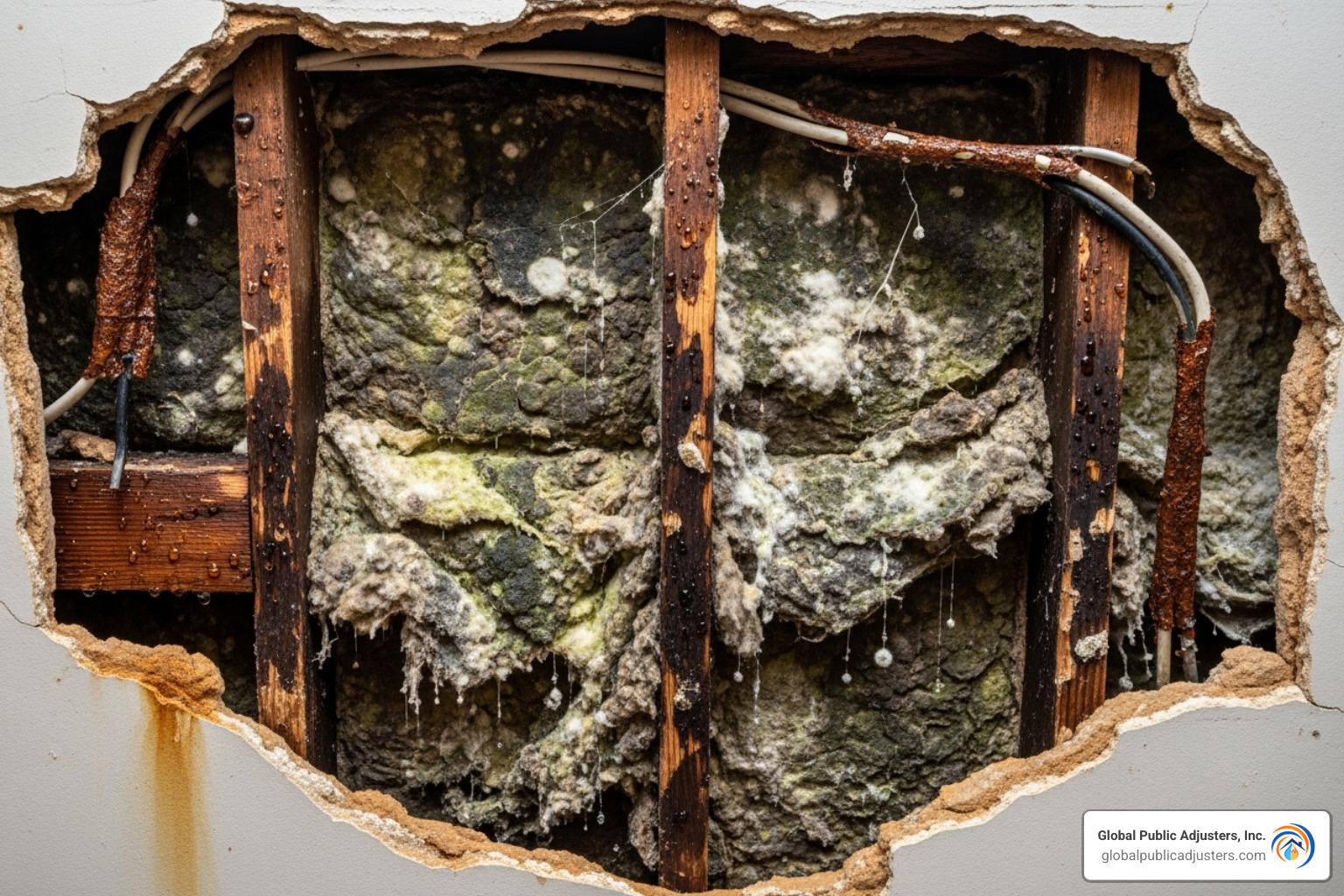
Newly found damagesare another major reason to revisit your claim. Water damage is especially sneaky this way. What looks like a simple leak on the surface can hide a world of trouble behind your walls. Mold growth, rotting structural beams, or foundation issues might not show up until weeks or months later. We’ve seen hurricane victims who thought they had everything covered, only to find major structural damage during repairs that wasn’t visible during the initial inspection.
Sometimes the problem isn’t what happened to your property, butmistakes in how your claim was handled. Insurance adjusters are human too, and they make errors. Maybe they misunderstood your policy coverage, applied the wrong exclusions, or simply miscalculated the damages. If your claim was denied or underpaid because of apolicy misinterpretation by the adjuster, you have every right to challenge that decision.
Here’s one that really gets our blood boiling:contractor repair errorsthat cause additional damage. You trusted the insurance company’s recommended contractor, and they made things worse. While good contractors carryerrors and omissions insuranceto cover their mistakes, sometimes their coverage falls short, leaving you holding the bag for problems you didn’t create.
These situations aren’t about buyer’s remorse or trying to game the system. They fall under what lawyers call “new evidence” or “mutual mistake” – circumstances where both you and the insurance company were genuinely wrong about something important when the original settlement was made.
When Your Initial Payout Doesn’t Cover the Full Cost
Nothing stings quite like opening that settlement check and realizing it won’t even come close to covering your actual repair costs. This is probably the most frustrating reason people need toreopen insurance claimfiles, but it’s also one of the most successful.
Insurance companies are in the business of making money, not giving it away. They’ll often throw out a lowball offer hoping you’ll take it and walk away without asking questions. Don’t fall for it.
Document everythingwhen you realize you’ve been shortchanged. Get detailed estimates from multiple reputable contractors – not just one. These estimates should clearly break down every aspect of the work and costs involved. Then compare them line by line with what the insurance company originally offered. The differences are often eye-opening.
The good news?Cashing a check doesn’t necessarily end your claim– especially if you haven’t signed that release form we talked about earlier. Many people think accepting any payment means they’re stuck with it, but that’s not always true. If the insurance company acted in bad faith or their payment was clearly insufficient, you still have options.
If you’re staring at repair estimates that dwarf your settlement check, you might be wonderingshould I hire a public adjuster if I have been underpaid?The answer is usually yes – having a professional advocate on your side can make all the difference in getting the compensation you actually deserve.
How to Reopen an Insurance Claim: A Step-by-Step Guide
Successfully requesting toreopen insurance claimrequires a strategic approach, strong documentation, and persistence. Insurance companies aren’t exactly thrilled about revisiting closed files – it means more work and potentially more money out of their pockets. But with the right approach, you can turn the odds in your favor.

The first thing you need to do isreview your policy thoroughly. We know it’s not exactly bedtime reading, but understanding your coverage details, exclusions, and limits is crucial. Look for the specific language that covers your type of damage. This knowledge becomes your foundation when you’re making your case to the insurance company.
Next comes the most important part:gathering rock-solid evidence. Think of yourself as building a legal case, because in many ways, you are. You’ll neednew contractor estimatesthat show the true cost of repairs – ideally from multiple reputable contractors who can provide detailed breakdowns. If you’ve found hidden damage like mold or structural issues, getexpert reportsfrom qualified specialists. A mold remediation expert’s report carries a lot more weight than your word alone.
Document everything visuallywith clear, timestamped photos and videos. Show the progression of damage if it’s gotten worse since your original claim. Keep every receipt for temporary repairs or mitigation efforts – these show you’ve been responsible in protecting your property from further damage.
Yourformal request letteris where everything comes together. This isn’t a casual email – send it viacertified mailto create a paper trail. Reference your original claim number, explain exactly why the claim should be reopened, and attach all your new evidence. Be specific about dollar amounts and refer to the professional assessments you’ve obtained.
Once you’ve sent your request,stay on top of communication. Follow up regularly and keep detailed records of every conversation. Note dates, times, and the names of everyone you speak with. It’s smart to send follow-up emails summarizing phone calls – this prevents any “he said, she said” situations later.
While you’re working to reopen your claim, continuemitigating further damageto your property. This shows you’re being responsible and aren’t trying to let damage worsen to increase your claim. Your policy likely requires this anyway, so stay on top of temporary repairs and protective measures.
Crafting Your Request to Reopen the Claim
Your written request is your moment to shine – this is where you present your case like a lawyer making their opening statement.Start with a clear explanationof why your initial settlement was inadequate or why newly found damage changes everything. Don’t beat around the bush; be direct and specific.
Reference your new evidence prominently. For example, you might write: “Our initial settlement of $15,000 for roof damage failed to account for the extensive water intrusion and resulting mold growth found in the attic, as documented in the attached mold remediation report and contractor estimates totaling an additional $25,000.”
Cite specific policy languagethat supports your claim. This shows the insurance company you’re not just hoping for the best – you understand your coverage and know what you’re entitled to. It also demonstrates you’ve done your homework, which tends to get their attention.
Maintain a professional but firm tonethroughout your letter. You want to set the expectation that you’re serious about pursuing full compensation, but you don’t want to come across as hostile. Think “determined professional” rather than “angry customer.”
Set clear expectationsabout what you’re seeking and why you believe it’s justified. The more specific and well-documented your request, the harder it becomes for the insurance company to dismiss it out of hand.
While you can certainly handle this process yourself, having an experienced advocate can make a significant difference in both your stress level and your results. Professional public adjusters understand the ins and outs of insurance policies and know how to speak the language that gets insurance companies’ attention. If you’re wondering about professional help, considerwhy hire a public adjuster for property damage?
Overcoming Roadblocks: Bad Faith, Fraud, and Time Limits
Let’s be honest – when you try toreopen insurance claim, your insurance company probably won’t throw you a welcome party. They’ve already closed their books on your case, and reopening it means more work and potentially more money out of their pocket. You might face unreasonable delays, lowball counter-offers, or flat-out denials without clear reasons. Don’t let this discourage you – understanding your rights gives you the power to push back effectively.
In rare but serious situations, your insurance company might have crossed the line from simply being difficult to actual misconduct. If they engaged inwillful deceit or fraud– like intentionally hiding evidence, falsifying documents, or lying about your policy limits – the original settlement could be thrown out entirely. Think of it like this: if someone tricks you into signing a contract, that contract isn’t valid. The same principle applies to insurance settlements.
Proving fraud is tough, though.You need clear, convincing evidence that your insurer deliberately deceived you. It’s not enough to show they made a mistake or were just being stubborn – you have to prove they intentionally lied or cheated.
Another legal concept that might help is called “mutual mistake.” This happens when both you and your insurance company were completely wrong about something important when you settled. For example, let’s say you both thought your roof damage was minor based on an inspector’s report, but later found the inspector missed major structural problems that existed at the time. That could be grounds to undo the settlement. However, simply regretting your decision or wishing you’d asked for more money doesn’t count as a mutual mistake.
Time limits are probably your biggest enemywhen trying toreopen insurance claim. Every state has strict deadlines called statutes of limitations, and missing these deadlines can slam the door shut on your case permanently. These time limits vary wildly depending on where you live and what type of claim you have.
In Florida, property insurance claims have specific rules outlined in Florida Statutes Section 627.70132. Generally, you have about one year to reopen a claim after it’s closed, especially if new damage or information comes to light. But here’s where it gets tricky – hurricane claims sometimes get special extensions, and different types of policies have different rules. Workers’ compensation claims, for instance, follow completely different timelines than homeowners insurance.
The clock starts ticking from different pointsdepending on your situation. Sometimes it’s from when you signed the release, sometimes from when you found the new damage, and sometimes from when the claim was originally closed. This is why acting quickly is so important.
What is Insurance Bad Faith?
Bad faith is a completely different beast from trying toreopen insurance claim. While reopening a claim means you’re trying to undo or modify your original settlement, a bad faith lawsuit is you saying “Hey, my insurance company broke the rules and treated me unfairly.” It’s about how they handled your claim, not necessarily about the claim itself.
Insurance companies have a duty to treat you fairlyand handle your claim reasonably. When they don’t, that’s bad faith. This might look like unreasonably denying a valid claim without a good reason, failing to investigate your damages properly, or dragging their feet on paying what they clearly owe you.
Other red flags include offering settlements that are obviously way too low, lying about what your policy covers, or pressuring you to accept a quick settlement before you fully understand your damages. Poor communication – like ignoring your calls, not explaining their decisions, or giving you the runaround – can also be signs of bad faith.
Here’s the key difference:bad faith is about the insurer’s conduct and duties to you as their policyholder. It’s a separate legal action that can result in significant penalties for the insurance company, including punitive damages designed to punish them for their bad behavior.
If you suspect bad faith, document everything. Keep records of all communications, note delays and unreasonable requests, and save any written correspondence. The more evidence you have of their improper conduct, the stronger your case becomes.
Sometimes what looks like simple claim disagreement is actually bad faith in disguise. Understandingreasons why your property insurance claim can be deniedcan help you spot when a denial doesn’t make sense and might cross into bad faith territory.
Frequently Asked Questions about Reopening an Insurance Claim
Over our 50+ years of experience, we’ve heard countless questions from frustrated homeowners and business owners who feel stuck after their insurance claim was closed. These are the questions that keep coming up, and honestly, the answers might surprise you.
How long do I have to reopen an insurance claim in Florida?
Here’s the thing about time limits in Florida – they’re not as straightforward as you might think.Florida Statutes Section 627.70132sets specific rules for reopening property insurance claims, but the clock doesn’t always start ticking when you expect it to.
For most property insurance claims, you typically haveabout one year from the date of losstoreopen insurance claimfiles. But here’s where it gets interesting – if you’re dealing with hurricane damage, special legislative changes might extend these deadlines. We’ve seen cases where homeowners thought they were out of time, only to find they still had options.
The type of claim also matters. Hurricane claims often have different rules than regular property damage claims. And here’s a pro tip: the sooner you act, the better your chances. Insurance companies love to argue that new damage isn’t connected to the original loss when too much time passes.
Don’t assume you’re out of time– every situation is unique, and Florida’s insurance laws can be complex. We always recommend checking your specific circumstances, because missing a deadline by even one day can be costly.
Can I reopen an insurance claim if I already cashed the settlement check?
This is probably our most common question, and the answer usually brings relief to worried homeowners.Cashing a check doesn’t automatically kill your chancestoreopen insurance claim– but there’s an important catch.
The real question isn’t whether you cashed the check, but whether you signed a“Release of All Claims” form. Think of it this way: cashing a check is just receiving money. Signing a release form is giving up your legal rights.
If you cashed a check that was labeled as a “partial payment” or “initial settlement” and youdidn’t sign a release, you’re likely still in the game. We’ve helped many clients who cashed checks thinking it was over, only to successfully pursue additional compensation later.
However, if that check came with a release form and you signed it, your options become much more limited. That signature is like closing a legal door – possible to reopen, but much harder.
Our golden rule: Never sign anything from your insurance company without having someone review it first. A few minutes of consultation can save you thousands of dollars down the road.
What is the difference between a supplemental claim and a request to reopen an insurance claim?
Even insurance professionals sometimes mix these up, but understanding the difference can help you know exactly what to ask for.
Asupplemental claimis like asking for seconds when your plate isn’t quite full enough. Your original claim is still active and open – you’re just saying “Hey, we found more damage” or “Your estimate was too low.” This happens a lot during repairs when contractors uncover hidden problems behind walls or under floors.
Reopening an insurance claimis more like knocking on a door that’s already been shut. The insurance company closed your file, maybe sent you a final payment, and considers the matter done. Now you’re asking them to dust off that file and take another look because something significant was missed.
From a practical standpoint, supplemental claims are usually easier to get approved because the insurance company hasn’t mentally “moved on” from your case yet. Reopening requires more evidence and persistence, but it’s absolutely doable when you have valid reasons.
The bottom line: Whether it’s called supplemental or reopened doesn’t matter as much as having solid documentation of why you deserve more money. Insurance companies care about facts and evidence, not terminology.
If you’re dealing with either situation, you don’t have to steer this alone. We’ve successfully handled both types of requests for decades, and we know exactly how to present your case for the best possible outcome.
Conclusion: Taking Control of Your Claim
You’ve made it through what can feel like an overwhelming process, and we hope you’re feeling more empowered about your options. The truth is, dealing with insurance companies when you need toreopen insurance claimsituations can be intimidating. These are billion-dollar companies with teams of adjusters, lawyers, and specialists whose job it is to minimize payouts. It’s natural to feel like David facing Goliath.
But here’s what we want you to remember:you have more power than you think. When an insurance company tells you your claim is “closed,” that’s often just their way of saying they’d prefer not to deal with it anymore. It doesn’t mean you’re out of options, especially if you haven’t signed that critical release form.
Persistence really does pay off.We’ve seen countless homeowners who were initially told “no” or given lowball settlements eventually receive the full compensation they deserved. The difference? They didn’t give up when things got difficult. They gathered their evidence, documented their losses, and kept pushing forward.
Your evidence is your strongest weapon.Those photos of hidden damage, those contractor estimates showing the real repair costs, those expert reports explaining why the initial assessment was wrong – this documentation is what transforms your case from a complaint into a compelling argument for additional compensation.
This is exactly why we exist at Global Public Adjusters, Inc.With over 50 years of experience representing homeowners and business owners across Florida, including Orlando and Pensacola, we’ve seen every trick in the insurance company playbook.We know how they think, how they operate, and most importantly, how to effectively counter their tactics to maximize your settlement.
When you’re facing a giant insurance corporation, having professional advocacy on your side levels the playing field. We speak their language, understand their processes, and aren’t intimidated by their delays or denials.Our expertise means you’re not navigating this complex system alone.
Insurance is something you pay for with the expectation that it will be there when you need it most. If your claim was unfairly settled, denied, or closed prematurely, you have every right to fight for what you’re owed. Don’t let a “closed” file stamp be the final word on your story.
If you’re ready to take control of your claim and fight for the compensation you deserve, we’re here to help.Every day, we help people just like you turn claim denials into victories and inadequate settlements into fair compensation.
Explore the types of claims we handle and get the help you deserve