Don’t Let Smoke Damage Cloud Your Judgment: A Comprehensive Guide
Why Smoke Damage Is More Dangerous Than You Think
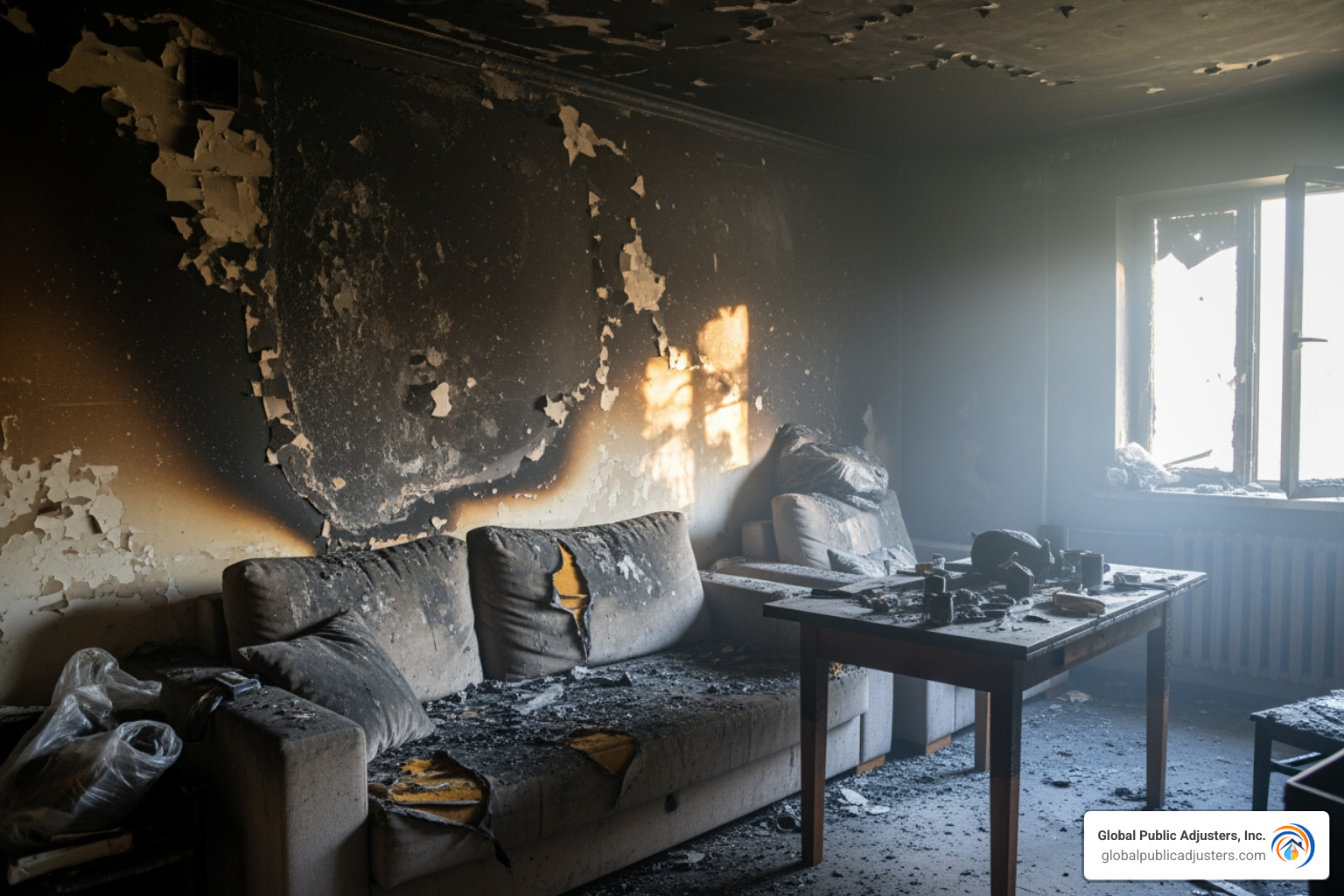
Smoke damageis the infiltration of residue and byproducts from a fire, causing physical harm, odors, and health risks—even in areas untouched by flames. After a fire, many believe the danger has passed, but the real challenge lies in the invisible, toxic residue left behind.
Quick Answer: Understanding Smoke Damage
- What it is: A mix of toxic gases (carbon monoxide, VOCs), acidic soot, and ash that penetrates porous materials.
- Why it’s dangerous: Corrodes metals, permanently stains surfaces, and contains carcinogens that pose long-term health risks.
- Where it spreads: HVAC systems, wall cavities, and porous materials like drywall, upholstery, and carpets.
- Key fact: 33.9% of restoration projects involve smoke damage with little to no actual fire damage.
Smoke is a chemical cocktail of acidic compounds that etch metal, fine particles that enter your lungs, and volatile organic compounds (VOCs) that off-gas for months. Its persistence is legendary; documents from the 1906 San Francisco fire still smell of smoke.
The damage is swift. Within minutes, plastics yellow. Within hours, metals tarnish. Within days, walls stain permanently, and restoration costs escalate dramatically.
Understanding what smoke damage is—and how to address it—is crucial for protecting your property and your family’s health.

Smoke damageterminology:
Understanding the Science Behind Smoke and Soot
Smoke damagestems from a complex chemical reaction. Smoke is unburnt fuel, a hazardous mix of gases and particles. Its primary components include toxic gases like carbon monoxide, particulate matter (PM), soot (tiny carbon particles), and ash. The science of smoke is still evolving, as noted by experts like Dr. Paul Wennberg of the California Institute of Technology. The acidic nature of these components is what makes smoke so corrosive, causing discoloration, etching, and widespread damage long after the fire is out.
Different fires produce different types ofsmoke damage:
| Type of Smoke Damage | Characteristics | Source Fire | Cleaning Difficulty |
|---|---|---|---|
| Dry Smoke | Powdery, easy to clean without smearing, can damage porous materials and wiring | Fast-burning, high-temperature fires (e.g., paper, wood) | Moderate; requires careful vacuuming and wiping, potential for deep penetration into porous items. |
| Wet Smoke | Dense, black, sticky, smears easily | Low-heat, smoldering fires (e.g., plastics, rubber) | High; requires specialized equipment and cleaning agents to prevent smearing and effectively remove residue. |
| Protein Residue | Invisible, varnish-like, causes permanent discoloration, intense odor | Low-heat fires (e.g., organic materials, cooking mishaps) | High; residue is difficult to detect visually but leaves a strong, pervasive odor and can permanently discolor surfaces. |
| Fuel/Oil Residue | Thick, sticky, dense, unpleasant odor | Uncommon in homes unless petroleum products are stored; can result from furnace ‘puff backs’ | High; very difficult to clean, often ruins fabrics and upholstery. |
For more scientific insights, we recommend reviewing “Hazards of Smoke and Tips for Cleaning After Fires” by Dr. Paul Wennberg.
Immediate and Long-Term Health Risks
The health risks fromsmoke damageare profound. Smoke inhalation is the leading cause of death in indoor fires, delivering toxic chemicals and microscopic particles deep into the lungs. Immediate effects include severe respiratory issues, while carbon monoxide can impair oxygen circulation, causing nausea or even brain damage.
Long-term dangers come from soot and volatile organic compounds (VOCs). Soot is a greasy substance whoseprolonged exposure carries a risk of cancer. VOCs off-gas for months, creating the persistent post-fire smell and degrading indoor air quality. Children, the elderly, pregnant women, and those with pre-existing conditions are especially vulnerable to these toxins.
How Fire Type Influences Smoke Damage
The type of fire dictates the type ofsmoke damage. High-oxygen, fast-burning fires (wood, paper) createdry smoke, a fine powder that penetrates deep into crevices. Low-oxygen, smoldering fires (plastics, synthetics) producewet smoke, a thick, greasy, and highly adhesive residue that is difficult to clean. Knowing the fire’s source and the materials burned is crucial for planning an effective restoration.
Assessing the Extent of Your Home’s Smoke Damage
A thorough assessment ofsmoke damageis the critical first step before cleaning. This process involves detecting both visible and hidden dangers to create an effective restoration plan.

We categorizesmoke damageinto three levels:
- Light Damage: A smoky odor with little to no visible soot, often from a distant fire or small incident.
- Moderate Damage: Visible soot deposits and a pervasive smoky odor, requiring specialized cleaning.
- Severe Damage: Heavy soot, significant discoloration, corrosion, and an intense, embedded odor. Many items may be unsalvageable.
Initial assessment includes a visual inspection, odor evaluation, and a simple “wipe test” with a white cloth to reveal hidden soot. It’s crucial to check beyond the obvious, as smoke permeates hidden areas like HVAC vents and wall cavities. This ishow fire damage can occur in a homewithout direct flame contact.
How smoke damage affects different materials
The impact ofsmoke damagevaries by material, requiring different cleaning approaches.
- Porous Surfaces: Drywall, unfinished wood, and fabrics absorb smoke particles and odors deeply, making them difficult to clean. Permanent discoloration can occur within minutes to days.
- Non-Porous Surfaces: Glass, metal, and ceramics are easier to clean as residue sits on the surface. However, the acidic nature of soot can still cause damage.
- Metals and Plastics: Acidic soot causes metals to tarnish and corrode within hours or days. Plastics can yellow almost instantly.
- Wood and Drywall: Finishes on wood can discolor quickly, and painted walls may yellow permanently. Smoke in wall cavities may require drywall replacement.
- Upholstery and Electronics: Porous fabrics often require professional cleaning or replacement. Smoke residue can corrode sensitive electronic components, leading to malfunction.
The speed of this damage highlights the need for a prompt response.
The Critical HVAC System Inspection
Your HVAC system can act as the lungs of your home, circulating smoke particles and odors throughout the entire structure. If smoke enters the ductwork, it can spread contamination to every room, causing persistent odors and health risks.
A thorough HVAC inspection after a fire is essential. If the system is contaminated, professional duct cleaning is required to remove soot and odors. Replacing filters with high-efficiency models (MERV 11 or 12) is also crucial to prevent re-contamination of cleaned areas.
The Ultimate Cleanup and Restoration Plan
Tacklingsmoke damagerequires a methodical, safety-first approach to clean visible residue, eliminate hidden contaminants, and remove persistent odors.

Safety First!
Personal safety is paramount, as smoke residue contains harmful chemicals. Always use proper personal protective equipment (PPE).
Essential safety gear includes:
- A NIOSH-certified mask or respirator (N95 or P100)
- Nitrile gloves
- Safety goggles
- Full-coverage clothing (long sleeves, pants, closed-toe shoes)
Ensure proper ventilation by opening windows, and keep children, pets, and vulnerable individuals away from the area. For more details, consultWildfire Smoke & Ash Health and Safety Tips.
Step-by-Step Cleaning for Light to Moderate Damage
While professionals are recommended for most cases, some light damage can be addressed with these steps:
- Ventilate: Air out the space by opening windows and using fans.
- HEPA Vacuum: Use a vacuum with a HEPA filter to remove loose soot from all surfaces. Standard vacuums will spread fine particles.
- Dry Clean: Use a dry cleaning sponge (chemical sponge) to lift soot from walls and ceilings without smearing.
- Wet Clean: After dry methods, clean surfaces with appropriate solutions. Use diluted soapy water on hard surfaces and painted walls (wiping bottom-to-top). Use specialized cleaners for wood, and wipe down metals and porcelain to prevent etching. Professional cleaning is best for electronics, carpets, and upholstery.
- Remove Debris: Safely discard unsalvageable items like open food and heavily contaminated materials.
Effective Methods for Removing Smoke Odor
The lingering smell of smoke is caused by volatile organic compounds (VOCs) embedded in porous materials. Removing the odor requires more than just masking it.
- Source Removal: The first step is to thoroughly clean or remove every item that holds the odor.
- Activated Charcoal: Place bowls of activated charcoal around rooms to absorb airborne odors and VOCs.
- Air Purifiers: Use an air purifier with both a HEPA filter (for particles) and an activated carbon filter. As experts note,adding an air cleaner with activated carbon will help remove the VOCs (that create the smell) from the air.
- HVAC System: Change HVAC filters monthly (use MERV 11 or 12) and consider professional duct cleaning.
- Professional Treatments: For severe odors, professionals may use ozone generators or thermal fogging. These are powerful methods that neutralize deeply embedded odors but require expert handling in unoccupied spaces.
Navigating Insurance Claims and Professional Help
Dealing withsmoke damageand the resulting insurance claim is stressful. This is where the expertise of Global Public Adjusters, Inc. can help homeowners and businesses throughout Florida.
When to Call Professionals
While DIY cleanup is possible for very light damage, moderate to severe cases require professional restoration. Professionals have the specialized equipment, safety training, and expertise to address hidden damage in structures and HVAC systems. Look for companies with certifications from the IICRC or RIA.
For guidance on dealing with insurance after a fire, see our article onthe best way to deal with an insurance adjuster after a house fire. If you need help withSmoke Damage Claims Orlando, we are here to assist.
How to document smoke damage for a successful insurance claim
Thorough documentation is crucial for a successful insurance claim. Your insurer needs detailed evidence to process your claim fairly.
- Photo and Video Evidence: Take clear photos and videos of all affected rooms and damaged items.
- Detailed Inventory: Create a list of all damaged property with descriptions, age, and estimated replacement cost.
- Keep Receipts: Save all receipts for immediate expenses like lodging or emergency repairs.
- Professional Reports: Keep copies of any reports from restoration companies or inspectors.
- Communication Log: Note all conversations with your insurance company.
For a detailed guide, see our5 steps to successfully file a fire damage claim with Global Public Adjuster.
The Role of a Public Adjuster in Your Recovery
Navigating a complexsmoke damageclaim is overwhelming. A public adjuster from Global Public Adjusters, Inc. is your most valuable ally.
- Policyholder Advocacy: We work exclusively for you, the policyholder, not the insurance company.
- Expert Negotiation: We are skilled negotiators who counter lowball offers from insurers to ensure you are paid fairly.
- Accurate Damage Valuation: We carefully document all damage, including hidden issues, to determine the true cost of your loss.
- Maximum Settlement: With over 50 years of experience, we know how to present your claim to maximize your settlement.
- Stress Reduction: We handle the entire claims process, allowing you to focus on your recovery.
Learnwhy hire a public adjuster for fire damageand empower yourself with expert representation.
Frequently Asked Questions about Smoke Damage
Here are answers to common questions homeowners in Florida have aboutsmoke damage.
How long does the smell of smoke last after a fire?
The smell of smoke can linger for weeks, months, or even years if not properly addressed. It’s caused by volatile organic compounds (VOCs) that embed in porous materials. How long it lasts depends on the fire type, material porosity, and humidity. The only way to eliminate the odor is to remove the source through professional cleaning and deodorization; simply masking it is ineffective.
Is it safe to stay in a house with smoke damage?
No, it is generally not safe to stay in a house with significantsmoke damage. The air can contain microscopic particulate matter (PM) that harms the lungs, as well as toxic gases that off-gas from damaged materials. Soot residue can also cause skin and eye irritation. These risks are especially high for children, the elderly, and those with pre-existing health conditions. As noted by experts, these health risks can linger for months. We recommend professional air quality testing after cleanup before reoccupying the home.
Can I clean smoke damage myself?
It depends on the severity. For very light, localized soot, DIY methods may suffice. However, for moderate to severesmoke damage, we strongly advise against it. Professionals are needed for several reasons:
- Specialized Equipment: Effective cleanup requires industrial-grade equipment like HEPA vacuums and deodorizers.
- Risk of Worsening Damage: Improper techniques can smear soot and drive it deeper into materials.
- Hidden Damage: Professionals can find and treat smoke that has penetrated walls, insulation, and HVAC systems.
- Health and Safety: Pros use proper PPE to handle hazardous materials safely.
- Insurance: Your policy may require professional restoration for the damage to be covered.
When in doubt, consult a professionalsmoke damagerestoration company.
Conclusion
Smoke damageis a formidable opponent, often more insidious and long-lasting than the fire itself. Its complex mix of acidic soot, toxic gases, and fine particles can quickly cause lasting harm to your property and health. Effective recovery requires a methodical approach: a thorough assessment, proper safety precautions, meticulous cleaning, and complete odor removal.
Comprehensive documentation is essential for a successful insurance claim. When the damage is severe and the process seems daunting, expert guidance is your best asset.
At Global Public Adjusters, Inc., we advocate for homeowners and business owners across Orlando, Pensacola, and throughout Florida. We understand the nuances ofsmoke damageclaims and are dedicated to maximizing your settlement, allowing you to focus on rebuilding. Don’t let smoke damage compromise your recovery.
Get expert help with your fire damage claims in Orlandotoday.