Navigating the Insurance Claim Process with Ease
Why Understanding How to File an Insurance Claim Matters
How to file an insurance claimcan feel overwhelming when dealing with property damage or accidents. Knowing the right steps helps you get fair compensation without delays.
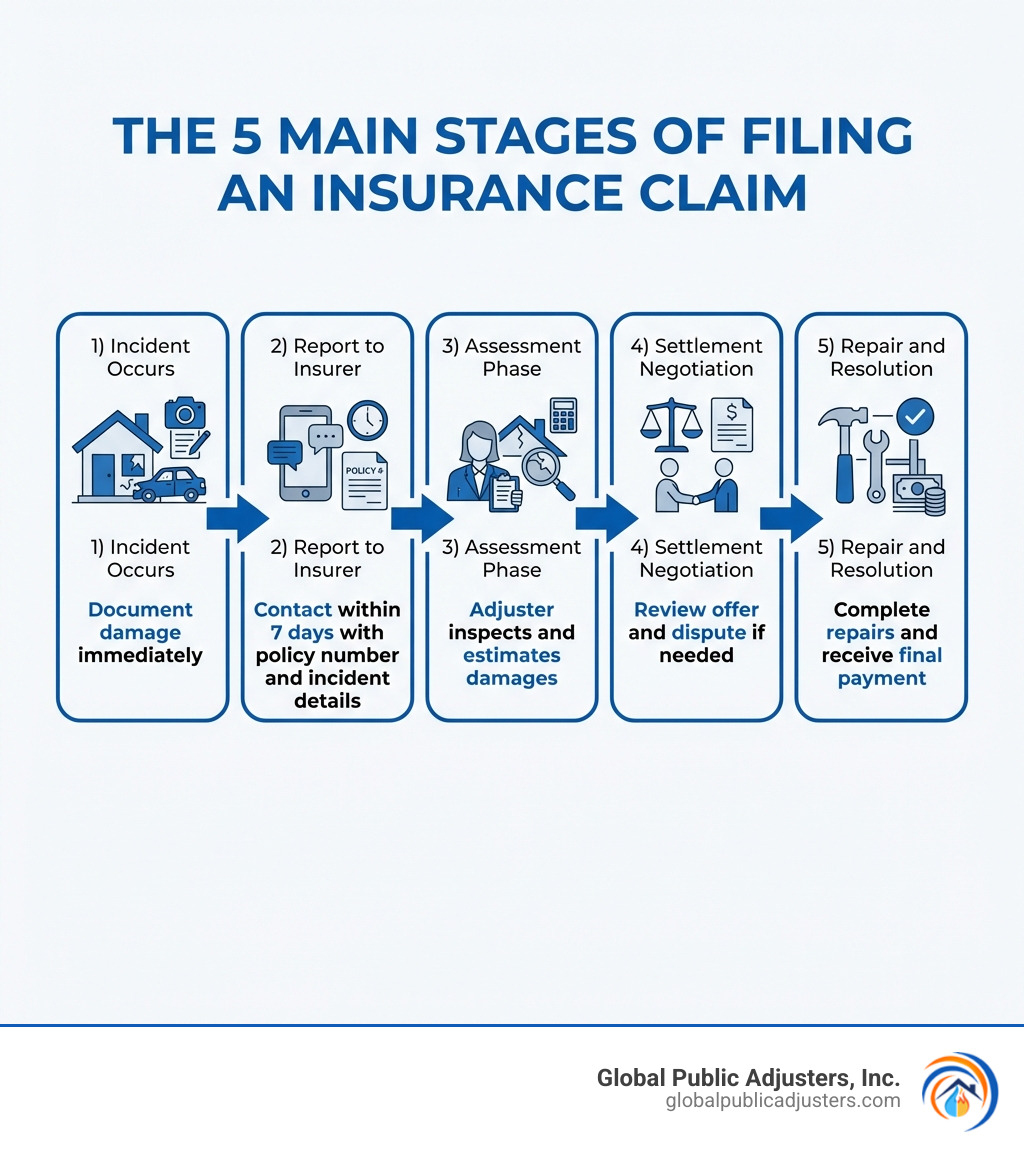
Quick Answer: Essential Steps
- Ensure safety first– Address injuries and secure the scene
- Document everything– Take photos and detailed notes
- Review your policy– Check coverage and deadlines
- Contact your insurer– Report within 7 days
- Work with the adjuster– Provide documentation
- Review the settlement– Ensure fair coverage
Most insurers require reportingwithin seven days. The process typically takes30 days or less, though payment may take longer.
Act quickly and document thoroughly. Understanding your policybeforean incident makes the difference between smooth processing and frustrating battles.
Related resources:
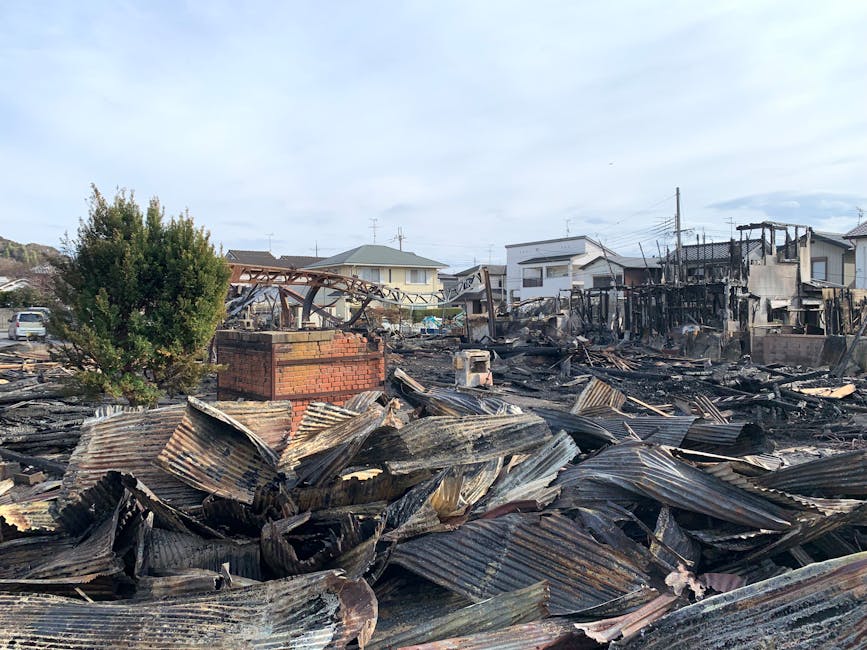
- Public adjuster for fire damage
- Attorney to help with insurance claims
- Does an insurance broker help with claims
First Steps After an Incident
Swift action after an incident is crucial for a successful claim.

Immediate Scene Actions
Prioritize safety. Call 911 for injuries or significant damage. Gather:
- Names, contact details, and insurance information
- Witness contacts
- Photos of damage and scene
- License plates and VINs
See our guide onNavigating Property Damage Claims: Tips for a Smoother Process.
Documenting Damage
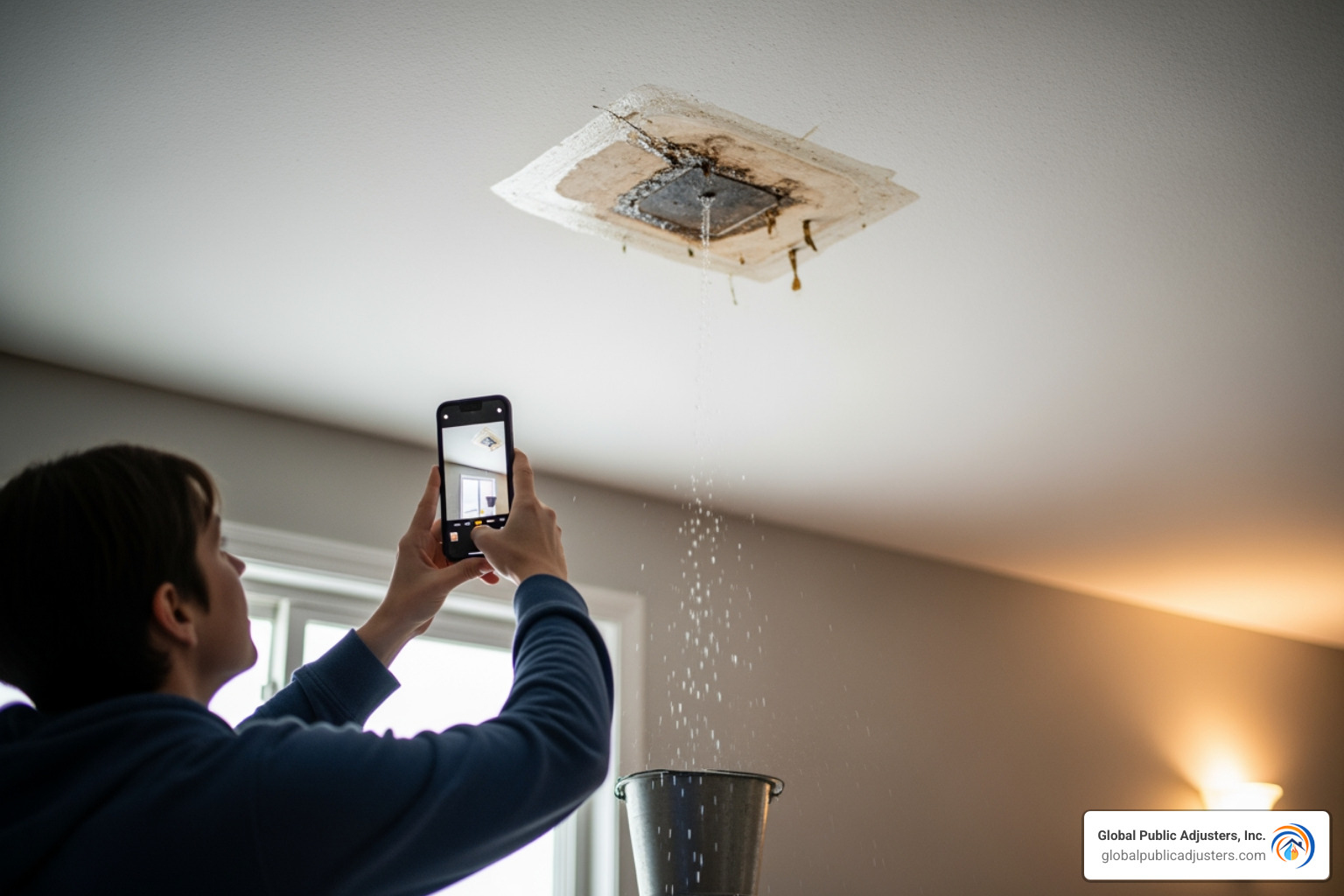
- Take extensive photos/videos
- Create an inventory of damaged items
- Keep damaged items for inspection
- Make temporary repairs and save receipts
Learn aboutsigns of water damage in your home.
Understanding Your Deductible
Review your policy for coverage and deductible. If repair costs are below your deductible, filing may not be worthwhile. Report incidents within seven days to avoid denial. Seehow to determine your insurance coverage needs.
How to File an Insurance Claim: Step-by-Step
After securing and documenting the scene, initiate the claims process.
Initial Steps
Contact your agent or insurer’s claims hotline with:
- Policy number
- Date, time, location of incident
- Detailed description
- Other parties’ information
- Damage extent
Complete any “Proof of Loss” forms promptly. ReferenceHow to File a Claim.
Different Policy Types
- Auto Insurance:Provide police reports, damage photos, driver information. Florida’s no-fault PIP covers medical expenses regardless of fault.
- Homeowners Insurance:Document storm, fire, theft, or water damage. Seehow to file after a fire.
- Business Insurance:Complex claims require detailed financial records. VisitCommercial insurance claims Orlando.
Digital Tools
- Mobile apps for reporting and photo uploads
- Online portals for documentation and tracking
- Real-time status updates
These tools streamlinehow to file insurance claimefficiently.
After Filing: Adjuster and Settlement
The Insurance Adjuster’s Role
The adjuster will:
- Inspect damage
- Review your policy
- Determine coverage
- Estimate repair costs
Company adjusters represent the insurer. Learn about7 Types of Claims Adjusters in Florida.
Fault and Repair Choices
In Florida auto claims, fault determines property damage liability. You have the right to choose any licensed repair facility, not just insurer-preferred shops. Get multiple estimates for comparison.
Total Loss Situations
- Vehicles:Repair costs exceed 75-80% of Actual Cash Value
- Property:Repair costs exceed pre-incident value
- Settlement:Research comparable values before accepting offers
- Liens:Payouts go to lienholders first
Navigating Challenges
Denied or Delayed Claims
Common denial reasons:
- Lack of coverage
- Late filing
- Policy exclusions
- Non-payment of premiums
Request written denial letters and document all communications. SeeReasons why claims can be denied.
Disputing Low Offers
- Review adjuster reports for errors
- Provide counter-evidence and estimates
- Document all communication
- Write formal dispute letters
Considerhiring a public adjuster if underpaid.
Resolution Options
| Option | Description |
|---|---|
| Internal Complaint | Escalate within insurance company |
| State DFS | File with Florida Department of Financial Services |
| Mediation | Neutral third-party facilitation |
| Appraisal | Independent appraisers determine value |
| Public Adjuster | Professional representing your interests |
Seeadvantages of using a public adjuster.
Introduction
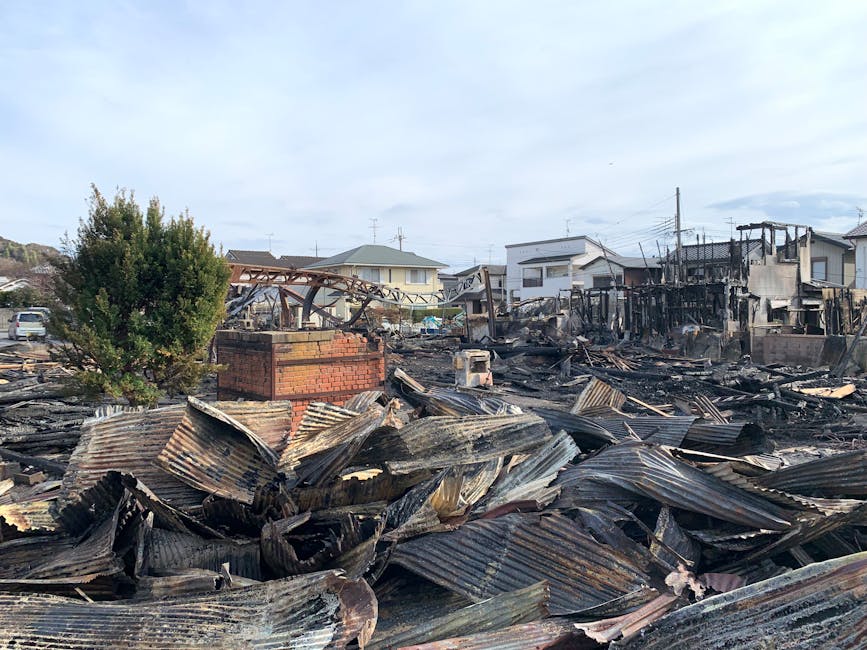
How to file an insurance claimcan feel overwhelming, but knowing the right steps ensures you get fair compensation. Most insurers require reportingwithin seven days, and the process typically takesaround 30 days.
Quick Answer: The Essential Steps
- Ensure safety first– Secure the scene and address injuries.
- Document everything– Take photos, videos, and detailed notes.
- Review your policy– Check coverage and deadlines.
- Contact your insurer– Report the claim promptly.
- Work with the adjuster– Provide documentation and cooperate with inspections.
- Review the settlement– Ensure the offer covers your actual losses.
Understanding your policybeforean incident makes the difference between a smooth process and a frustrating battle. Many owners in disaster-prone areas face denied claims; knowing the process empowers you to advocate for yourself.
How to file insurance claimfurther reading:
- Public adjuster for fire damage
- attorney to help with insurance claims
- does an insurance broker help with claims
First Steps After an Incident: Preparing Your Claim
Taking swift action is crucial for a successful insurance claim. Our goal is to prepare you forhow to file insurance claimeffectively from the moment an incident occurs.
Immediate Scene Actions
Safety is the top priority. Call 911 for injuries or significant damage. In Florida, a police report is often required for auto accidents. Gather names, contact details, and insurance information from all parties. Take photos of vehicle positions, damage, and road conditions. For more tips, see our guide onNavigating Property Damage Claims: Tips for a Smoother Process.
Documenting Damage and Mitigating Loss
- Evidence:Take extensive photos and videos of all damaged areas.
- Inventory:Create a detailed list of lost or damaged personal property.
- Damaged Items:Keep items for the adjuster’s inspection.
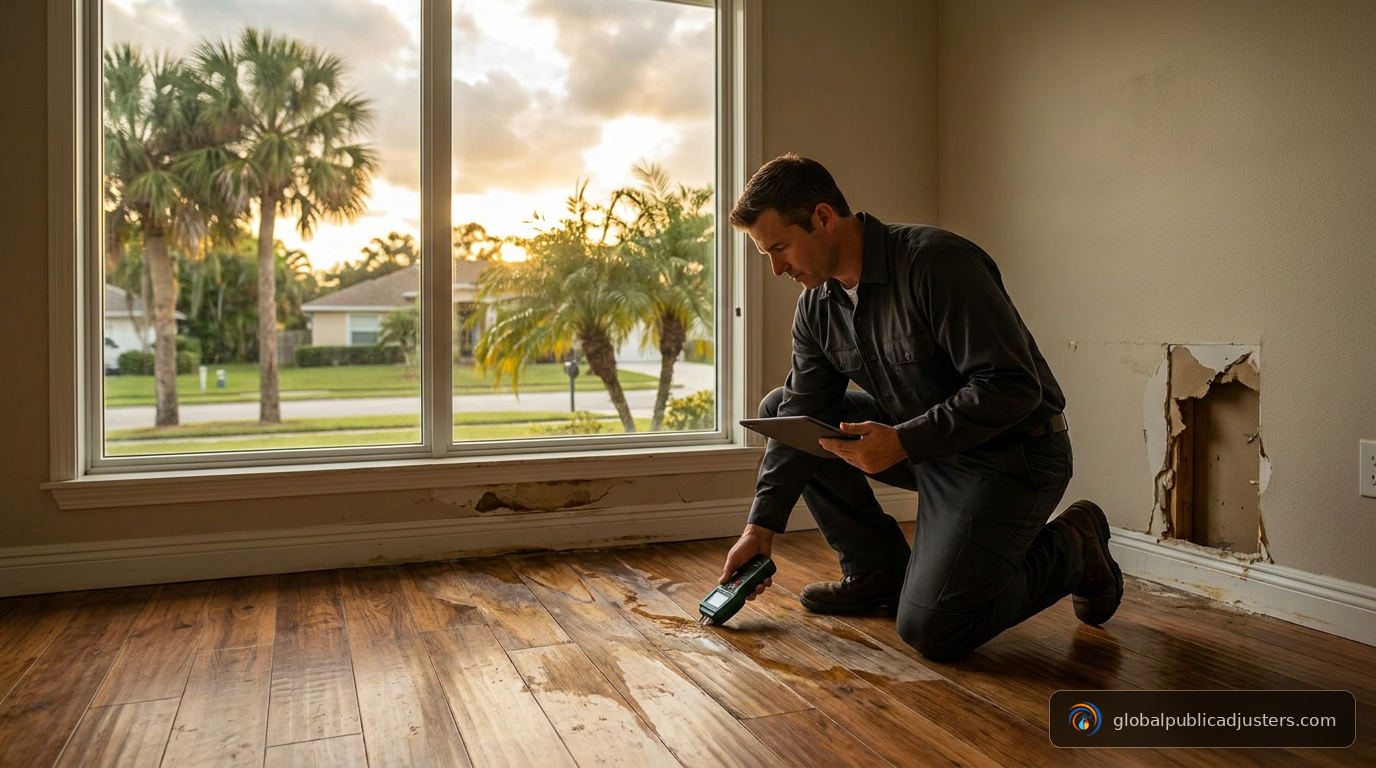
- Temporary Repairs:Take steps to prevent further damage (e.g., tarping a roof) and save all receipts. Learn aboutsigns of water damage in your home.
Understanding Your Deductible
Review your policy for coverage and your deductible. If repair costs are near your deductible, filing may not be worthwhile. Most companies require reporting within seven days. Delaying could lead to denial. Learn more atHow to determine your insurance coverage needs.
How to File an Insurance Claim: A Step-by-Step Guide
To initiate the process, contact your agent or the insurer’s claims hotline. Have your policy number, the date, and a description of the incident ready.
Policy Specifics
- Auto Insurance:Provide police reports and damage photos. Florida is a ‘no-fault’ state for PIP coverage, but fault still impacts property damage liability.
- Homeowners Insurance:Document damage from storms, fire, or leaks. For fire guidance, seeHow to file a homeowners insurance claim after a fire.
- Business Insurance:Complex claims require detailed financial records. VisitCommercial insurance claims Orlando.
Digital Tools
Many insurers offer mobile apps and online portals to upload photos andcheck the status of a claim online. These tools make the process ofhow to file insurance claimmore efficient. For general state guidance, refer to the Florida DFS onHow to File a Claim.
After You’ve Filed: The Adjuster, Repairs, and Payout
The Role of the Insurance Adjuster
An adjuster will inspect the damage, review your policy, and estimate repair costs. While they are professionals, their loyalty lies with the insurer. Learn about the7 Types of Claims Adjusters and Their Duties in Florida.
Fault and Repair Choices
In Florida auto claims, fault determination is vital for property damage. You have the legal right to choose any licensed repair facility. We advise getting multiple independent estimates to compare against the insurer’s assessment.
Total Loss Situations
- Definition:A vehicle is a total loss if repair costs exceed 75-80% of its Actual Cash Value (ACV).
- Negotiation:Research comparable values before accepting an offer. You can present evidence of recent upgrades to negotiate a higher payout.
- Lienholders:Payouts go to the bank or lienholder first to cover outstanding balances.
Navigating Challenges: Denials, Disputes, and Delays
Denied or Delayed Claims
Common denial reasons include lack of coverage, late filing, or policy exclusions. If denied, request a written letter referencing specific policy language. For insights, seeReasons why your property insurance claim can be denied.
Disputing Low Offers
Do not accept the first offer if it is insufficient. Review the adjuster’s report for errors, provide independent contractor estimates, and document all communication. If underpaid, considerhiring a public adjuster.
Resolution Options
| Option | Description |
|---|---|
| Internal Complaint | Escalate concerns within the insurance company. |
| State DFS | File a complaint with the Florida Department of Financial Services. |
| Mediation | A neutral third party facilitates a settlement. |
| Appraisal | Independent appraisers and an umpire determine value. |
| Public Adjuster | A professional representing your interests. Seeadvantages of using a public adjuster. |
First Steps After an Incident: Preparing Your Claim
Swift action is essential. Prioritize safety, document the scene with photos, and mitigate further damage by making temporary repairs. For detailed tips, see our guide onNavigating Property Damage Claims, learn aboutsigns of water damage, and understandhow to determine your insurance coverage needs.
How to File an Insurance Claim: A Step-by-Step Guide
Initiate your claim by contacting your agent with your policy number and incident details. Different policies, such ashomeowners insurance after a fireorcommercial insurance claims in Orlando, require specific documentation. Use digital tools tocheck the status of a claim onlineand refer to the Florida DFS onHow to File a Claim.
After You’ve Filed: The Adjuster, Repairs, and Payout
An insurance adjuster will investigate your claim and estimate repair costs. It is important to understand the7 Types of Claims Adjusters in Florida. You have the right to choose your own repair facility and should negotiate total loss settlements based on Actual Cash Value research.
Navigating Challenges: Denials, Disputes, and Delays
If your claim is denied or the offer is low, you have options. Review thereasons why claims can be deniedand considerhiring a public adjuster if underpaid. You can also explore mediation, appraisal, or theadvantages of using a public adjusterto resolve disputes.
Frequently Asked Questions
How long do I have to file a claim?
Most insurers require reporting within seven days. Absolute deadlines range from 90 days to several years, but prompt reporting is crucial.
How do claims impact future rates?
Claims can affect rates based on:
- Fault determination
- Claim frequency and severity
- Loss of claims-free discounts
- Type of claim (comprehensive vs. collision)
How can I find a lost policy?
- Search personal records
- Contact former agents
- Use NAIC Life Insurance Policy Locator
- Try MIB Group policy search
- For Canadian policies,contact OLHI
Conclusion
Navigating insurance claims requires quick action, thorough documentation, policy understanding, and self-advocacy.
For complex or high-value claims in Florida, partnering with Global Public Adjusters Inc. ensures you receive the maximum settlement you’re entitled to.