Business insurance policy review: Avoid 5 Costly Mistakes
Beyond the Fine Print: Why Your Coverage Deserves a Closer Look
Business insurance policy reviewis the process of systematically examining your current insurance coverage to ensure it matches your business’s current risks, assets, and operations—protecting you from gaps that could lead to denied claims or catastrophic out-of-pocket expenses.
Quick answer for “Business insurance policy review”:
- What it is:A thorough examination of your business insurance policies to verify adequate coverage
- When to do it:Annually, or whenever significant business changes occur (new location, employees, equipment, services)
- Why it matters:Prevents underinsurance, identifies coverage gaps, ensures compliance, and can save money
- Key focus areas:Coverage limits, exclusions, deductibles, business income protection, and liability exposures
- Who should help:Insurance broker, agent, or public adjuster specializing in commercial policies
Five simple words can cost you six-figure financial nightmares:“I thought I was covered.”
Most business owners don’t fully understand their coverage until they need to file a claim. By then, it’s too late. The COVID-19 pandemic made this painfully clear when countless business owners finded their business interruption coverage didn’t apply the way they expected.
Your business isn’t static. You’ve grown, changed locations, hired employees, added services, or invested in new equipment. But if your insurance policy hasn’t kept pace with those changes, you’re operating with a false sense of security.
Here’s the reality:A policy that perfectly protected your business two years ago may have dangerous gaps today. You might be underinsured in critical areas or overpaying for coverage you no longer need. Even worse, failing to disclose business changes to your insurer can lead to policy cancellation when you need it most.
The good news? A structured policy review doesn’t have to be complicated. It just needs to be consistent, data-driven, and thorough.

Quick look atBusiness insurance policy review:
- Commercial insurance claims process
- commercial insurance claim adjuster
- commercial insurance claims attorney
Why a Regular Policy Review is a Strategic Business Move
Think of your business insurance as a safety net. As your business expands and evolves, the demands on this safety net increase, potentially creating gaps and holes in your protection. A regularbusiness insurance policy reviewisn’t just another item on your to-do list; it’s a strategic business move that underpins your financial stability, strengthens your risk management, ensures compliance, and provides invaluable peace of mind.

We often hear from business owners who, like many, don’t fully understand their coverage until an unfortunate event forces them to file a claim. This is where the true value of a proactive review shines. Regular reviews help us identify gaps in coverage before they become costly claims, safeguarding your hard-earned assets. It’s a golden opportunity to protect your business, ensuring you’re not underinsured or, conversely, overpaying for coverage you no longer need.
The long-term benefits are clear:
- Financial Stability:Adequate coverage means your business can recover from unexpected losses without facing bankruptcy.
- Robust Risk Management:By understanding your exposures, you can implement better strategies to mitigate risks.
- Compliance:Ensures your business meets all legal and contractual insurance requirements in Florida.
- Peace of Mind:Knowing your business is properly protected allows you to focus on growth and operations.
- Cost Savings Opportunities:Reviews can uncover areas where you might be over-insured or eligible for discounts.
For a broader background on how business insurance works in general, you can also review this overview fromWikipedia on business insurance, then return to your Florida-specific needs and claim strategy with us.
The High Cost of “Set It and Forget It”
Neglecting your insurance policies can lead to significant headaches and financial strain. We’ve seen the potential consequences:
- Denied Claims:The most painful outcome. If your policy hasn’t been updated to reflect new operations or assets, your claim might be denied, leaving you with substantial out-of-pocket expenses.
- Out-of-Pocket Expenses:Imagine your property’s value has increased by 15% over the year due to renovations, but your coverage hasn’t. If disaster strikes, you could face a substantial financial gap if you need to rebuild or replace damaged assets.
- Policy Cancellation:Insurers can cancel your policy if new information about significant business changes is not disclosed. This leaves you completely vulnerable.
- Legal Fines:Forgetting to update workers’ compensation insurance after hiring new employees can lead to hefty fines in Florida, where it’s required for businesses with a certain number of employees.
- Business Interruption Losses:Many businesses were caught off guard during the COVID-19 pandemic, finding their business interruption coverage didn’t cover the specific circumstances. An outdated policy can leave your business without the funds to cover lost income and operating expenses if operations are halted by a covered event.
To avoid such pitfalls, it’s crucial to understand why property insurance claims can be denied, which we’ve detailed in our guide onReasons Why Your Property Insurance Claim Can Be Denied.
How Often Should You Review Your Policies?
The general rule of thumb is to reassess your coverage annually, or whenever there’s a significant change to your business. Most insurance professionals, including us, recommend that you review your business’s existing policies and exposures at least once a year. This aligns with your policy’s renewal date, providing a natural cadence for evaluation.
For small-to-medium businesses, a 6-12 week lead time is ideal for scheduling insurance reviews well in advance of the renewal date. This structured timeline allows for:
- Initial review:10-12 weeks before renewal.
- Exploring new options:8-10 weeks before renewal.
- Decision finalization:2-3 weeks before renewal.
This proactive approach ensures you have ample time to gather data, discuss options, and make informed decisions without the pressure of a looming deadline.
Key Triggers That Demand an Immediate Insurance Review
Your business is a living, breathing entity, constantly adapting and growing. This dynamic nature means your insurance needs are also constantly evolving. Abusiness insurance policy reviewisn’t just an annual chore; it’s a critical response to specific business growth milestones and a proactive step in risk assessment.
Operational and Physical Changes
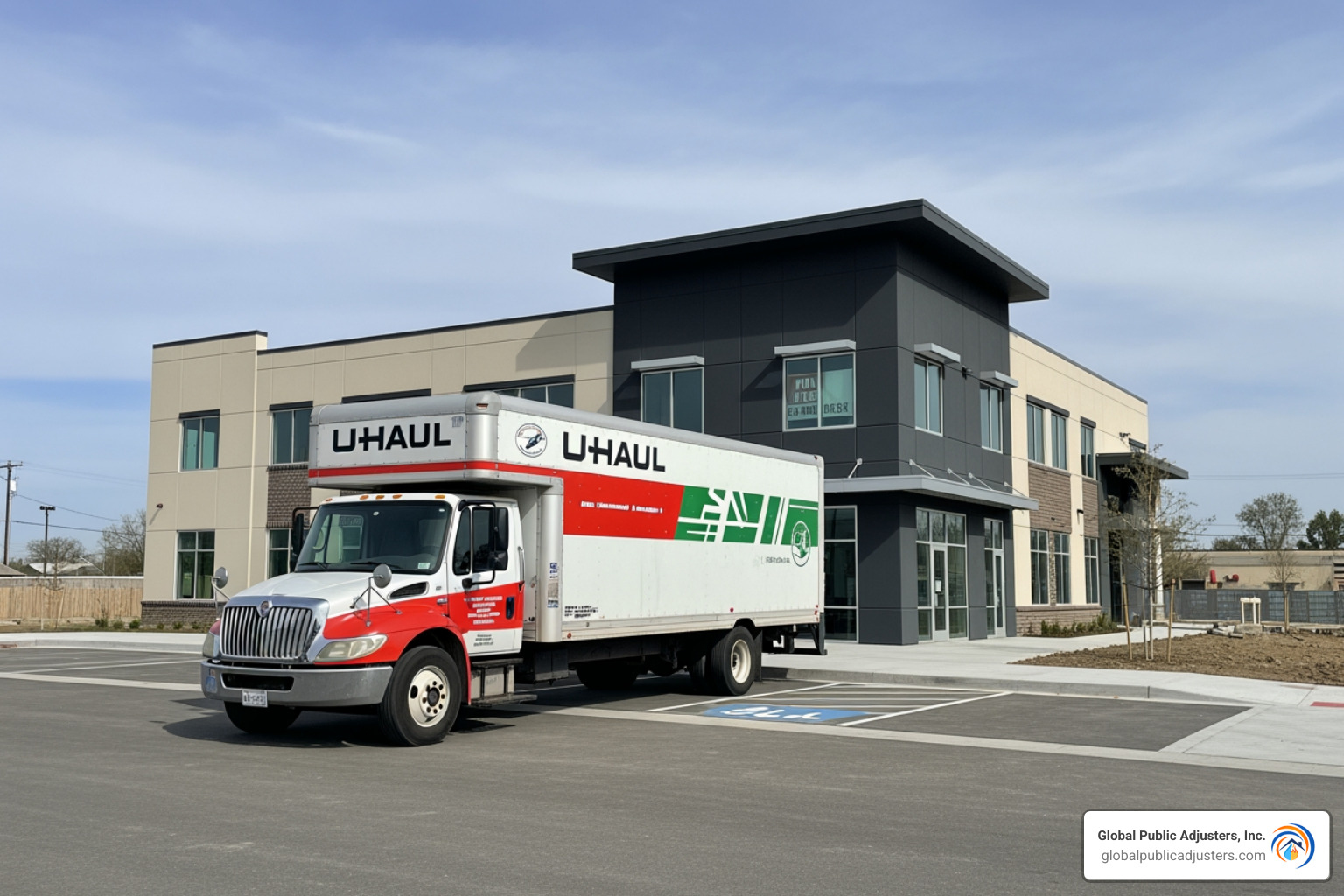
Any significant change to your business’s physical footprint or operational assets should trigger an immediate insurance review.
- New Business Location:Whether you’re expanding to a second office in Orlando or a new warehouse in Pensacola, a new location means new property to insure and new liabilities. A new location might not automatically increase insurance rates; it could even lead to a reduction if it’s in a lower-risk area.
- Upgraded or New Equipment:Investing in new machinery, technology, or specialized tools increases the value of your business assets. If you’ve acquired new equipment, your current commercial property insurance limits might be insufficient to cover its replacement cost.
- Increased Inventory:A booming business often means more products on the shelves or in storage. If your inventory has significantly grown, your existing property insurance might not cover the full value of your goods.
- Building Renovations:From a simple office remodel to a major structural overhaul, renovations increase the value of your property. If you renovated some of your offices or added on to the building, you may only get paid up to the maximum amount on your current policy for those upgrades if a loss occurs.
When these changes occur, and especially if they lead to property damage, knowing when to seek professional help is vital. Our team at Global Public Adjusters, Inc. specializes inProperty Damage Claims Orlandoand throughout Florida.
Growth in Personnel and Services
The people you employ and the services you offer are at the heart of your business, and changes here directly impact your insurance needs.
- Hiring New Employees:In Florida, workers’ compensation insurance is generally required for businesses with four or more employees (or one or more in construction). Failing to update your policy after hiring can lead to fines and leave you vulnerable if an employee is injured on the job.
- Using Contractors or Freelancers:While they aren’t employees, their work can still create liability exposures for your business. Ensure your general liability policy or specific endorsements cover these relationships.
- Offering New Products or Services:Introducing a new product line or expanding into specialized services (e.g., a salon adding spa treatments) can introduce new product liability or professional liability risks. Without adding new products to your insurance coverage, you may be underinsured and responsible for what otherwise might be a covered loss.
- Expanding into E-commerce:If your business shifts more sales or marketing online, or begins storing customer data, you’ll need to consider cyber liability insurance to protect against data breaches and cyberattacks.
- Changes in Business Structure:A change from a sole proprietorship to an LLC, or taking on new partners, alters your legal and liability landscape, necessitating a review of your business owner’s policy and other coverages.
Contractual and Legal Obligations
Business isn’t just about what you do, but also who you do it with and how you’re regulated.
- New Client Contracts:Many contracts with clients, especially larger ones, will stipulate specific insurance requirements. You might need to carry certain types or levels of insurance, like professional liability insurance, or add the client as an additional insured. Your current insurance may not cover these new obligations.
- Vendor Agreements:Similar to client contracts, agreements with suppliers or service providers can also mandate specific insurance coverages.
- Changes in State or Federal Regulations:Laws evolve, and so do insurance requirements. For instance, changes in Florida’s workers’ compensation laws or new industry-specific regulations could necessitate policy adjustments. Your state’s Department of Financial Services (DFS) provides commercial insurance information guides to help you stay compliant.
Understanding your responsibilities and how to align your coverage is critical. We encourage you to review our insights onHow to Determine Your Insurance Coverage Needs.
Your Step-by-Step Business Insurance Policy Review Process
A thoroughbusiness insurance policy reviewdoesn’t have to be overwhelming. By adopting a structured approach and making data-driven decisions, you can ensure your coverage is always aligned with your business’s realities. While you can start this process independently, collaborating with an experienced insurance professional or public adjuster is highly recommended to uncover nuances and maximize your protection.
Step 1: Gather Your Documentation
Before you dive deep into policy language, gather all the necessary information. This preparation is crucial for an effective review and helps your insurance professional provide custom recommendations.
- Current Policy Documents:Collect all active insurance policies, including declarations pages, endorsements, and exclusions.
- Claims History Report:Review your claims history. This provides insights into past risks and how your policies responded.
- Financial Statements:Have your latest profit and loss statements, balance sheets, and tax returns ready. These help assess your business income and property values.
- Asset Inventory List:A detailed list of all business property, including equipment, furniture, fixtures, and inventory. Include purchase dates and values.
- Employee Roster and Payroll Data:Essential for verifying workers’ compensation coverage and calculating employment practices liability exposures.
- Vehicle Schedules:If you own business vehicles in Orlando or Pensacola, list all vehicles, their drivers, and their usage.
Step 2: Analyze Key Policy Components
Now it’s time to put on your detective hat and scrutinize your policies. Focus on these critical sections:
- Coverage Limits:Are your current limits sufficient to cover potential losses? For instance, if your property’s value has increased, are your property insurance limits keeping pace?
- Deductibles:This is the amount you pay out-of-pocket before your insurance kicks in. Does your deductible amount align with your business’s cash flow and risk tolerance? A higher deductible usually means lower premiums, but can you afford it if a claim arises?
- Exclusions and Limitations:These are just as important as what’s covered. Read them carefully. Does one policy have exclusions that another does not? Are there any new exclusions you weren’t aware of?
- Endorsements:These are additions or changes to your policy. Have you added any endorsements for new equipment or operations? Are they still relevant?
- Named Insureds:Ensure all relevant business entities and individuals are correctly listed as named insureds.
For a deeper understanding of what types of insurance your business needs, explore our guide onHow to Determine Your Insurance Coverage Needs.
Step 3: Ask the Right Questions During Your Business Insurance Policy Review
A successfulbusiness insurance policy reviewis a conversation, not just a paperwork exercise. Prepare to ask yourself and your insurance professional probing questions:
- “What’s been my company’s biggest win this year?”This helps highlight growth areas that might have introduced new risks.
- “How have my operations expanded or shifted this year?”Have you diversified services, expanded into e-commerce, or changed your delivery methods?
- “What’s my biggest concern around business risks?”Are you worried about cyber threats, severe weather in Florida, or potential employee lawsuits?
- “Are my liability limits adequate for my current operations and potential legal exposures?”
- “Is my property valuation accurate, considering recent market changes and renovations?”
- “Does my business interruption coverage truly reflect my current revenues and potential recovery costs?”
Step 4: Document and Implement Changes
The review isn’t complete until decisions are documented and implemented.
- Documenting Decisions:Keep detailed records of all discussions, recommendations, and changes made during the review. This creates a clear audit trail.
- Requesting Policy Endorsements:Work with your insurance agent to formally add or remove coverages, adjust limits, or update details through policy endorsements.
- Updating Certificates of Insurance:If you’ve made changes that affect contractual obligations, ensure new certificates of insurance are issued to clients or vendors.
- Communicating Changes to Your Team:Inform relevant team members about any significant policy changes, especially those related to safety protocols or claims procedures.
Frequently Asked Questions about Business Insurance Reviews
What are the most common coverage gaps found during a business insurance policy review?
We frequently encounter a few common gaps that can leave businesses in Florida vulnerable:
- Professional Liability (Errors & Omissions):Often overlooked by service-based businesses, this covers claims arising from mistakes or negligence in professional services. A salon owner adding new spa services, for example, needs to ensure their professional liability extends to these new offerings.
- Cyber Liability:With the increasing reliance on digital operations, many businesses lack adequate protection against data breaches, cyberattacks, or other technology-related problems. If your business expands into e-commerce and changes how customer data is stored, this coverage is paramount.
- Employment Practices Liability (EPLI):Protects against claims of wrongful termination, discrimination, harassment, and other employment-related issues. Essential for any business with employees.
- Insufficient Business Income Limits:Many businesses underestimate how much income they would lose and how long they would need to recover after a major disruption, leading to inadequate business interruption coverage.
Can reviewing my policy help me save money?
Absolutely! A thoroughbusiness insurance policy reviewcan often lead to more efficient coverage and significant cost savings. Here’s how:
- Identifying Over-insurance:You might be paying for coverage you no longer need, or for assets you no longer own.
- Adjusting Deductibles:Choosing a higher deductible can lower your premiums, but only if you can comfortably afford the deductible amount in case of a claim.
- Risk Management Discounts:Implementing robust safety protocols, loss prevention programs, or IT safeguards can make you eligible for discounts from your insurer.
- Bundling Policies:Many insurers offer discounts for bundling different types of coverage, such as a Business Owner’s Policy (BOP) which often combines general liability, commercial property, and business interruption insurance.
What’s the difference between a public adjuster review and a standard policy review?
While both involve examining your insurance policies, their focus and timing differ significantly:
- Standard Policy Review:Typically conducted annually with your insurance agent or broker, this review focuses on ensuring your coverage aligns with your current business operations, risks, and growth. It’s proactive, aiming to update policies and prevent future gaps.
- Public Adjuster Review:This usually comes into playaftera loss has occurred. A public adjuster like us at Global Public Adjusters, Inc. specializes in analyzing your existing coverage in the context of a specific claim. Our expertise lies in interpreting complex policy language, identifying all applicable coverages, and advocating on your behalf to maximize your settlement. We representyou, the policyholder, not the insurance company.
For businesses facing a claim, understanding the full scope of your policy and having an advocate on your side can make all the difference. Learn more aboutWhat Can A Public Adjuster Do For Me?
Conclusion: Turning Your Policy Review into a Powerful Asset
Your business in Orlando, Pensacola, or anywhere in Florida, is more than just a place of work; it’s a testament to your vision and hard work. Protecting it requires more than just buying an insurance policy and forgetting about it. A regular, strategicbusiness insurance policy reviewis not a luxury, but a necessity. It’s a proactive measure that safeguards your financial future, ensures business continuity, and provides the peace of mind you deserve.
By embracing regular reviews, you’re not just checking boxes; you’re actively managing your risks, optimizing your coverage, and potentially saving money. You’re changing a routine task into a powerful asset that contributes directly to your business’s long-term success.
At Global Public Adjusters, Inc., with over 50 years of experience, we understand the complexities of commercial insurance and the challenges businesses face, especially when a claim arises. While we can’t conduct your annual policy review with your agent, our expertise becomes invaluable when you encounter a loss. We specialize in post-loss claim assistance, carefully analyzing your policy and advocating for your rights to ensure you receive the maximum settlement you’re entitled to.
Don’t wait until disaster strikes to find you’re underinsured. Make thebusiness insurance policy reviewan integral part of your strategic planning. And if the unexpected happens, we are here to help you steer the intricate world of insurance claims.
Contact us today to get help with your commercial insurance claims in Orlando.