Quick Answer
If your water damage claim was denied in Florida, you still have options in Orlando: request the denial letter and full policy in writing, document the damage thoroughly, file a complaint with Florida’s Department of Financial Services, and consider mediation, appraisal, or hiring a public adjuster or attorney. Many denials are based on disputed causation (flood versus plumbing, gradual versus sudden damage) rather than a lack of coverage altogether, which means a well-documented appeal can succeed.
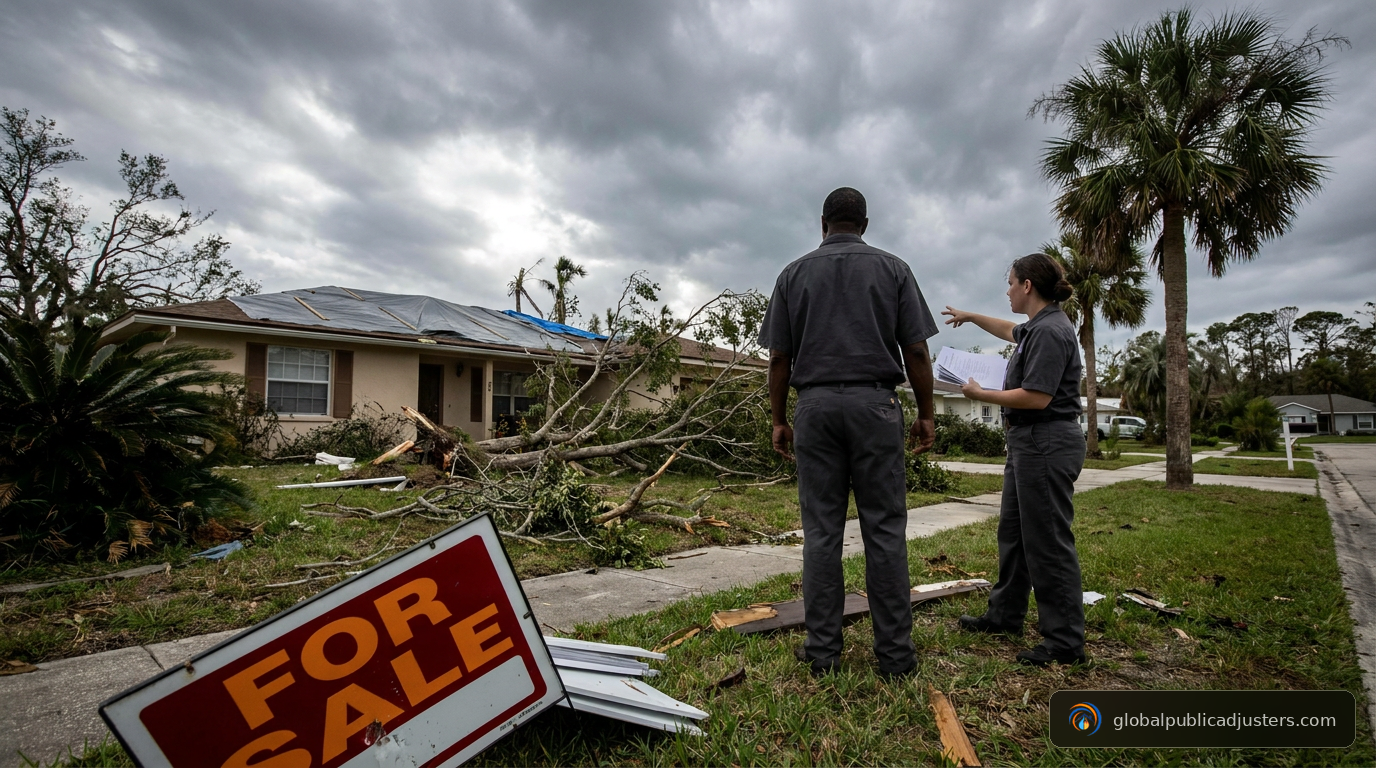
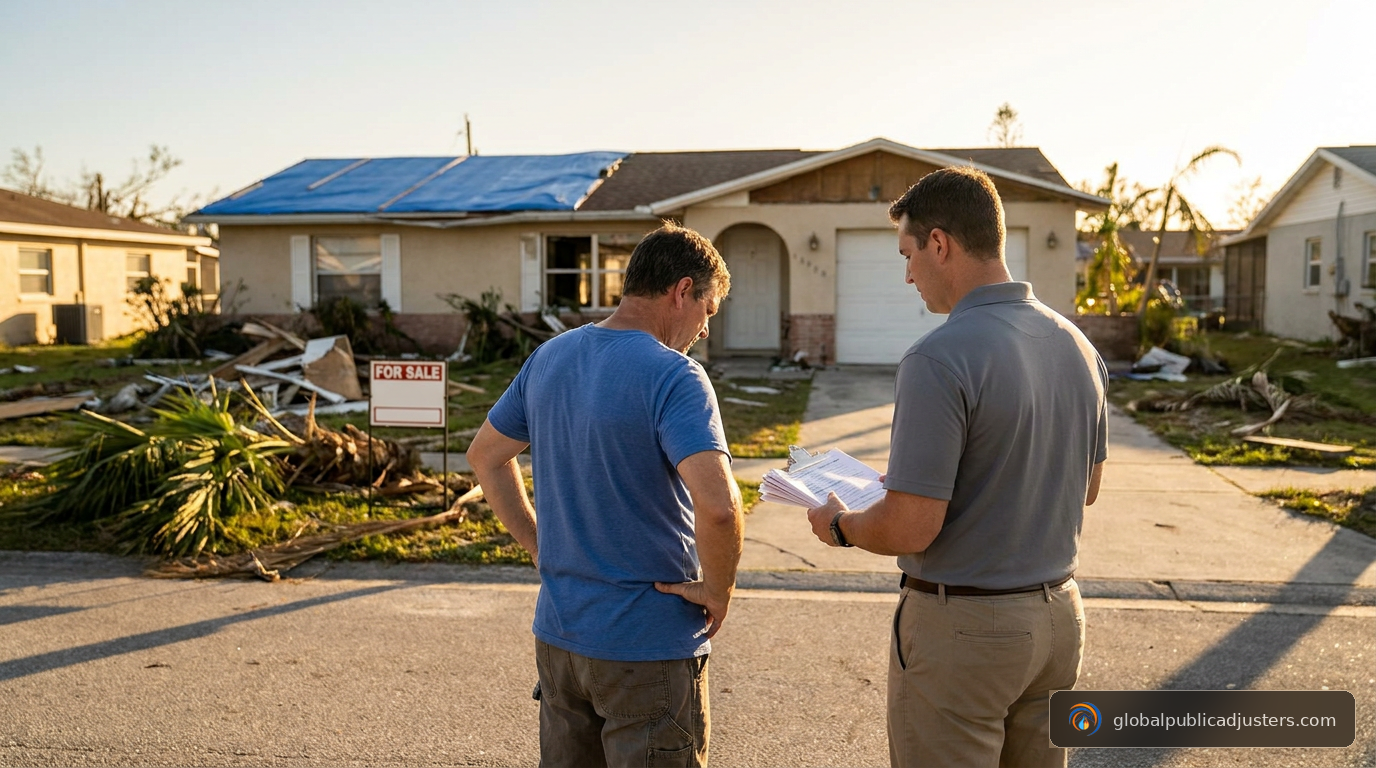
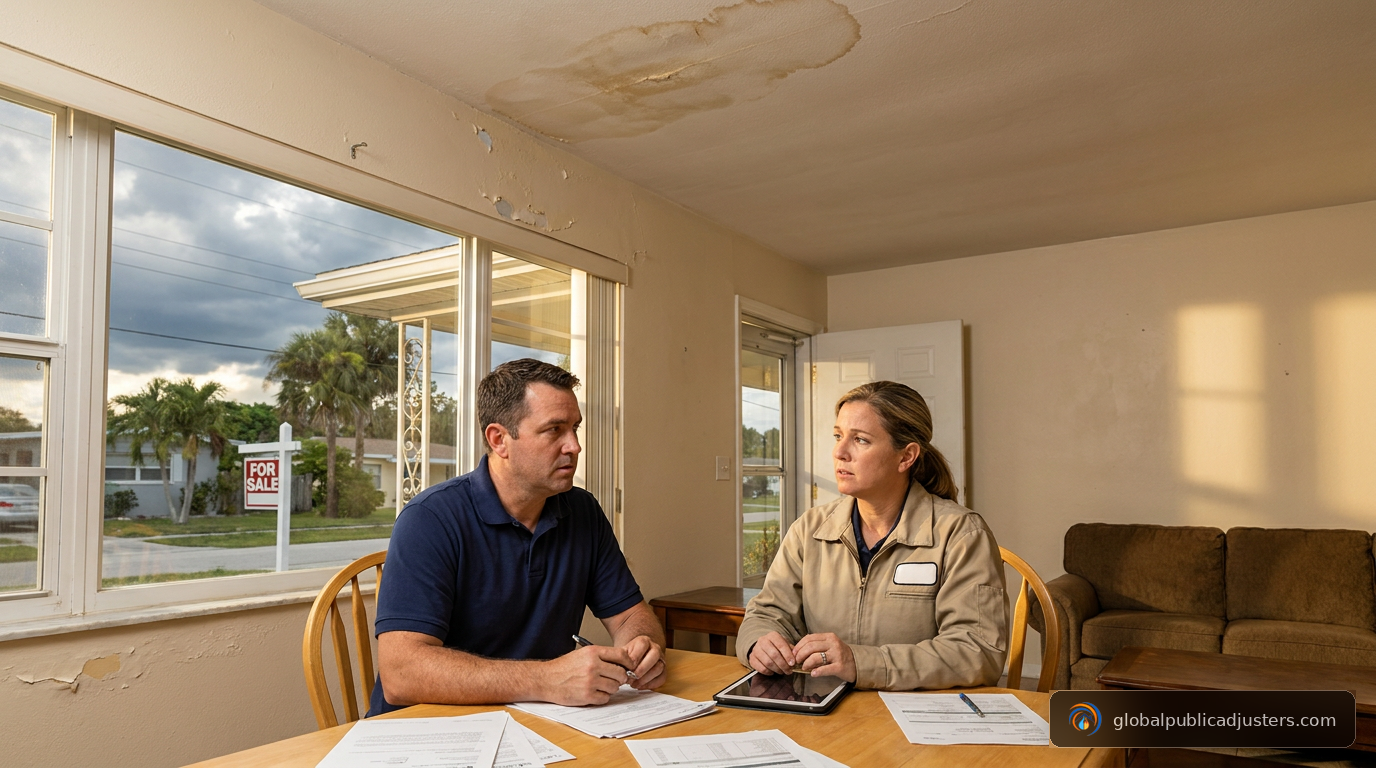
Awater damage claim denied in Floridacan feel like the end of the road, especially when repair bills are piling up on a home in College Park, Baldwin Park, or Lake Nona. It isn’t. Insurers in Florida denied or partially denied a significant share of water-related claims in recent years, and many of those decisions are successfully challenged once homeowners understand what to do in Orlando to push back with the right evidence and process.
This guide walks through the real data behind Florida water claim denials, the most common reasons adjusters reject them, and the specific steps Orlando homeowners can take to appeal, mediate, or litigate a denial before giving up on the money owed to them.
How Often Are Water Damage Claims Denied in Florida?
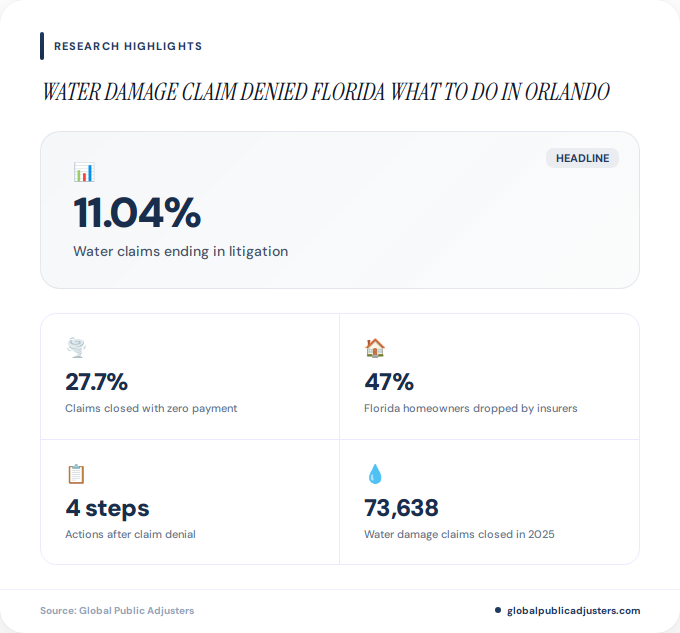
Florida’s water damage claim landscape is more contentious than most homeowners realize. Insurers closed73,638 accidental-discharge or overflow-of-water claims in 2025, and roughly11.04% of those ended up in litigation, a sign that a meaningful share of initial decisions were disputed rather than accepted outright.
The picture gets starker after major storms. Following Hurricanes Helene and Milton in 2024, more than436,000 claimswere filed statewide, and27.7% closed without any payment, roughly one in four claims closed with nothing paid to the policyholder, according to data reviewed in Insurance Journal’s coverage of Florida claims outcomes. These are statewide figures; publicly available data does not break out a reliable denial rate specific to Orlando or Orange County.
Florida’s broader insurance market instability compounds the problem. A 2025 national survey cited in 2026 reporting found that47% of Florida homeowners who changed insurers in the prior five years said they had been dropped, compared with just9% nationally, according to a Sun-Sentinel analysis of Florida property insurance survey data. That volatility means Orlando homeowners are more likely to be dealing with newer carriers, nonrenewals, and unfamiliar policy language right when a water loss happens.
Why Do Insurers Deny Water Damage Claims in Orlando?
Orlando’s climate, aging housing stock in neighborhoods like Winter Park-adjacent areas and Audubon Park, and frequent summer thunderstorms create conditions ripe for water intrusion disputes. Most denials fall into a handful of recurring categories.
Flood Versus Plumbing or Roof Water
Standard homeowners policies typically exclude water that enters from rising groundwater, surface water, storm surge, or overflowing lakes and retention ponds, common features near Orlando’s many chain-of-lakes communities. Heavy rain entering through doors, windows, or other openings is often excluded unless tied to wind damage. A flood-related loss usually belongs under an NFIP or private flood policy rather than a standard homeowners policy, a distinction confirmed by Florida’s Department of Financial Services consumer guidance.
The determining factor is usually the source and path of water, not simply that water was present. A burst supply line under a kitchen sink is typically a sudden, covered event. Rain entering through a wind-damaged roof may be covered under wind provisions, subject to exclusions and deductibles. Water rising from outside the home is commonly classified as flood and denied under a standard policy.
Gradual Damage or Lack of Maintenance
Insurers frequently argue that damage developed over weeks or months due to a slow pipe leak, deteriorated caulking, corroded plumbing, or failed shower waterproofing. The policy may exclude the cost to replace the failed component itself while still covering the resulting interior damage, a nuance adjusters don’t always explain clearly in denial letters.
Late Notice and Disputed Timelines
Florida law sets specific notice requirements for property claims. UnderFlorida Statute 627.7142, the Homeowner Claims Bill of Rights, policyholders have defined windows to report new and reopened claims, and missing those windows is a common denial trigger, especially for slow leaks that homeowners don’t notice right away.
What Should You Do Immediately After a Denial?
The first 30 days after a denial are the most important. Acting quickly and methodically preserves your options and strengthens any appeal.
- Request the denial letter and full policy in writing.Insurers must cite the specific policy language used to deny the claim. If the letter is vague, request clarification in writing.
- Preserve all evidence.Photograph and video the damage before any repairs or demolition, keep damaged materials when possible, and save moisture readings from restoration crews.
- Mitigate further damage.Florida policies require reasonable steps to prevent additional loss, such as shutting off water sources or running dehumidifiers, but keep receipts for any mitigation work.
- Request your full claim file.This includes the adjuster’s inspection notes, photos, and any engineering or moisture reports used to justify the denial.
- Get an independent inspection.A second opinion from a licensed contractor, restoration company, orwater restoration service in Orlandocan directly contradict an insurer’s causation theory.
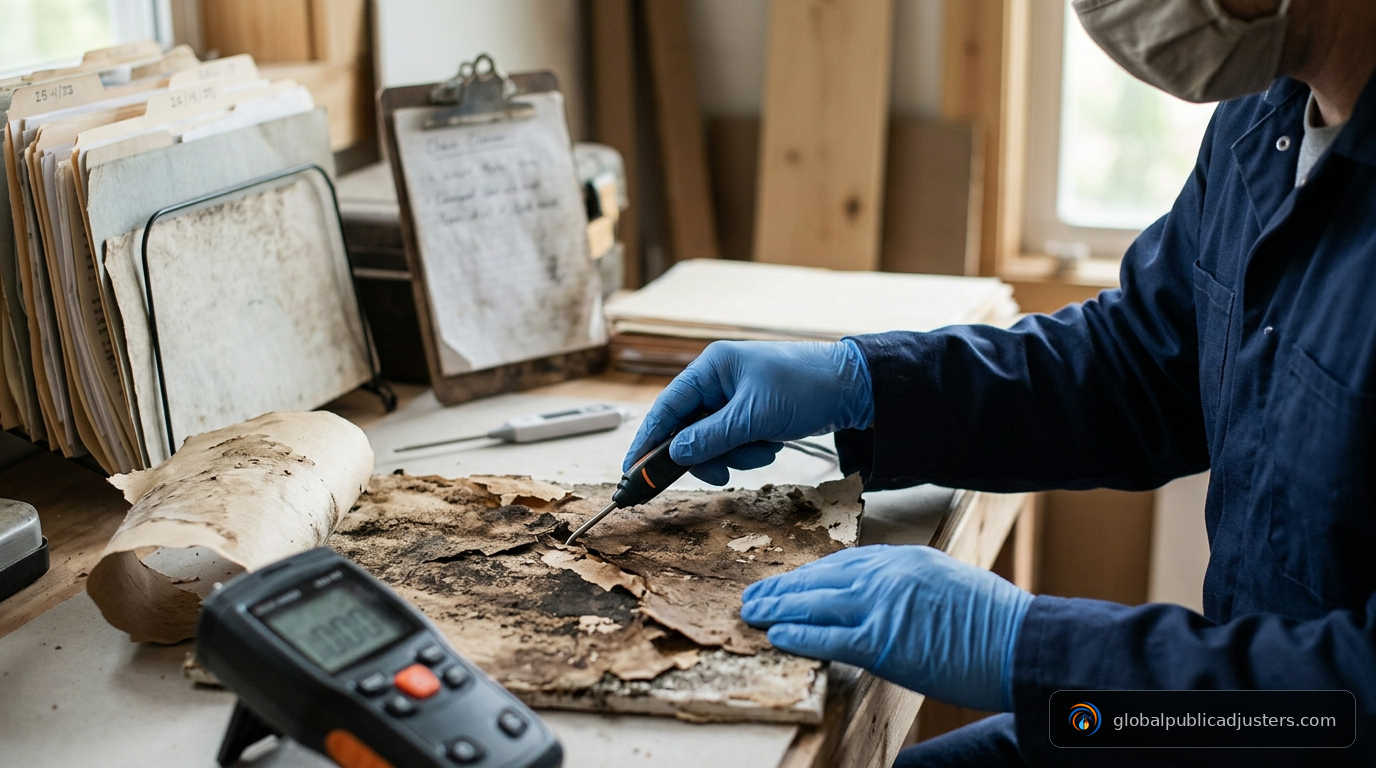
If mold has developed as a secondary issue, which is common in Florida’s humidity, especially in bathrooms and enclosed wall cavities, document it separately. Mold-related damage often has its own sub-limits and exclusions, and amold damage assessment in Orlandocan clarify whether it resulted from a covered event or a maintenance issue.
What Are Your Options for Appealing a Denied Claim?
Florida gives homeowners several formal paths to challenge a denial beyond simply accepting it or hiring a lawyer immediately.
File a Complaint With the Department of Financial Services
Florida’s Department of Financial Services (DFS) allows consumers to file complaints against insurers and request a review of claim handling. This step is free and can sometimes prompt a reopened investigation, particularly when DFS’s own homeowner advocacy resources flag improper claim-handling practices.
Request Mediation
Florida’s DFS-administered mediation program offers a neutral, lower-cost forum to resolve disputes without going to court. Mediation is nonbinding, meaning either side can reject the outcome, but it frequently produces a settlement because both parties avoid litigation costs.
Invoke the Appraisal Clause
Most Florida homeowners policies include an appraisal provision allowing each side to hire an independent appraiser, with a neutral umpire resolving disagreements on the dollar amount of damage. Appraisal generally addresses disputes over the amount of loss, not whether coverage exists at all, so it works best when the insurer has partially accepted the claim.
File a Lawsuit or Bad-Faith Claim
When an insurer unreasonably denies a legitimate claim, some Florida homeowners have pursued litigation and prevailed. One widely reported case involved a Florida couple who sued Citizens Property Insurance and won a substantial verdict after the company denied their claim, according to reporting on the Citizens Insurance lawsuit outcome. Litigation is typically a last resort given the time and cost involved, but it remains an important check on unfair denials.
How Do Appeal Options Compare?
| Option | Best Used When | Typical Timeline |
|---|---|---|
| DFS Complaint | Claim handling seems improper or unresponsive | Weeks |
| Mediation | Dispute is over coverage interpretation or settlement amount | 1 to 2 months |
| Appraisal | Coverage is accepted but the dollar amount is disputed | 2 to 4 months |
| Litigation | Claim was denied in bad faith or wrongfully | 6 months to years |
When Should You Hire a Public Adjuster or Attorney?
Not every denial requires a lawyer. A licensed public adjuster can often resolve disputes over causation, scope, or valuation without litigation by building a documented, evidence-backed reassessment of the loss. This is especially useful forresidential damage claims in Orlandoinvolving disputed water sources, partial denials, or undervalued repair estimates.
Bathroom and kitchen leaks are a particularly common flashpoint because insurers often argue the failure point, like a shower pan or supply line, was a maintenance issue rather than a sudden event. A targetedbathroom damage assessment in Orlandocan help separate the excluded component from the covered resulting damage, which is often the crux of the dispute.
Attorneys become more important when an insurer shows a pattern of bad faith, such as repeated delays, lowball offers inconsistent with their own inspection notes, or denials that contradict Florida’s statutory claim-handling deadlines. Florida’s property insurance market reporting notes that litigation rates remain elevated statewide, reflecting how often these disputes require formal escalation.
Litigation rate:11.04%
Closed without payment:27.7%
National average:9%
Costs for hiring a public adjuster or restoration specialist vary widely depending on the scope of damage, the complexity of the dispute, and the value of the claim, so pricing should always be discussed directly rather than assumed from a flat rate. If your Orlando home has sustained water damage and you’re unsure whether a denial is final, starting with awater damage claims review in Orlandois a reasonable first step before deciding whether mediation, appraisal, or legal action makes sense.
- Denial doesn’t mean final.Roughly 1 in 4 storm-related Florida claims closed without payment in 2024, but many are successfully appealed or renegotiated.
- Causation disputes drive most denials.Flood versus plumbing, gradual versus sudden, and maintenance versus covered peril are the recurring battlegrounds.
- Documentation wins appeals.Photos, moisture readings, and independent inspection reports directly counter an insurer’s causation theory.
- Florida offers free dispute resolution tools.DFS complaints and mediation cost nothing and can resolve disputes before litigation is necessary.
- Appraisal settles dollar disputes, not coverage disputes.Use it when the insurer agrees to pay but disagrees on the amount.
- Orlando’s housing stock and climate create recurring risk pointsin aging plumbing, retention-pond-adjacent properties, and humidity-driven mold growth.
- Professional help narrows the gapbetween an insurer’s initial denial and what the policy actually owes.
People Also Ask
Can I reopen a water damage claim after it was denied in Florida?
Yes. Florida homeowners can request reinspection, submit new evidence, or formally reopen a claim within statutory timeframes outlined in the Homeowner Claims Bill of Rights. A written request along with new documentation often prompts a second review.
How long do I have to appeal a denied insurance claim in Florida?
Timeframes vary by policy and claim type, but Florida law generally requires prompt notice and allows specific windows for supplemental or reopened claims. Reviewing your denial letter and policy immediately is critical since deadlines can be shorter than homeowners expect.
Does homeowners insurance cover water damage from a slow leak in Florida?
Usually not fully. Insurers typically classify slow, long-term leaks as gradual damage or a maintenance issue, which is excluded, though resulting interior damage from a sudden failure may still be covered depending on policy language.
What is the difference between flood damage and water damage in a Florida insurance claim?
Flood damage involves water from an external source like rising groundwater, storm surge, or overflowing bodies of water, and is excluded from standard homeowners policies. Water damage from plumbing failures, appliance leaks, or wind-driven rain through a damaged roof may be covered, depending on the specific cause.
Frequently Asked Questions
What should I do first after my water damage claim is denied in Orlando?+
Request the denial letter and full policy language in writing, photograph all remaining damage, and get an independent inspection before making repairs. These steps preserve evidence needed for any appeal, mediation, or legal action.
Is mediation worth it for a denied Florida water damage claim?+
Mediation through Florida’s DFS program is free or low-cost and often resolves disputes faster than litigation. It’s nonbinding, so homeowners retain the right to pursue further action if the outcome is unsatisfactory.
Can a public adjuster help overturn a denied water damage claim?+
Yes. A public adjuster can reassess the damage, challenge the insurer’s causation theory, and compile documentation that often prompts a reversed or improved settlement without needing litigation.
Why are so many Florida water damage claims denied or litigated?+
Florida’s volatile insurance market, frequent storms, and complex policy exclusions around flood versus plumbing water create frequent disputes. About 11% of accidental-discharge claims were litigated in 2025, and over a quarter of 2024 storm claims closed without payment.
Does my Orlando homeowners policy cover mold from a water leak?+
It depends on whether the mold resulted from a sudden, covered water event or a long-term maintenance issue. Many policies include mold sub-limits even when the underlying cause is covered, so a detailed inspection is important.
When should I hire an attorney instead of a public adjuster?+
An attorney becomes necessary when there’s evidence of bad faith, such as repeated unreasonable delays or denials contradicting the insurer’s own inspection findings. For disputes over scope, valuation, or documentation, a public adjuster is often the faster and more cost-effective first step.
A denied water damage claim is frustrating, but in Florida’s current insurance climate, it’s often just the first round, not the final word. Whether you’re dealing with a disputed slab leak in Baldwin Park or storm-driven water intrusion near Lake Eola, understanding your appeal options, from DFS complaints to appraisal to professional representation, puts the leverage back in your hands. Explorethe full range of claim support servicesavailable, or visitGlobal Public Adjustersto learn how an experienced team can review your denial and build the case your insurer should have approved the first time. For a direct conversation about your specific situation,reach out to our Orlando team today.