Quick Answer
Hurricane damage claim denial in Florida is common in Tampa because insurers routinely close claims without payment, citing flood exclusions, hurricane deductibles, pre-existing damage, or incomplete documentation. Statewide, insurers closed40.3% of claims without payment in 2024, and a licensed public adjuster can often identify misapplied exclusions, re-document losses, and appeal or reopen a denied Tampa claim for full policy value.
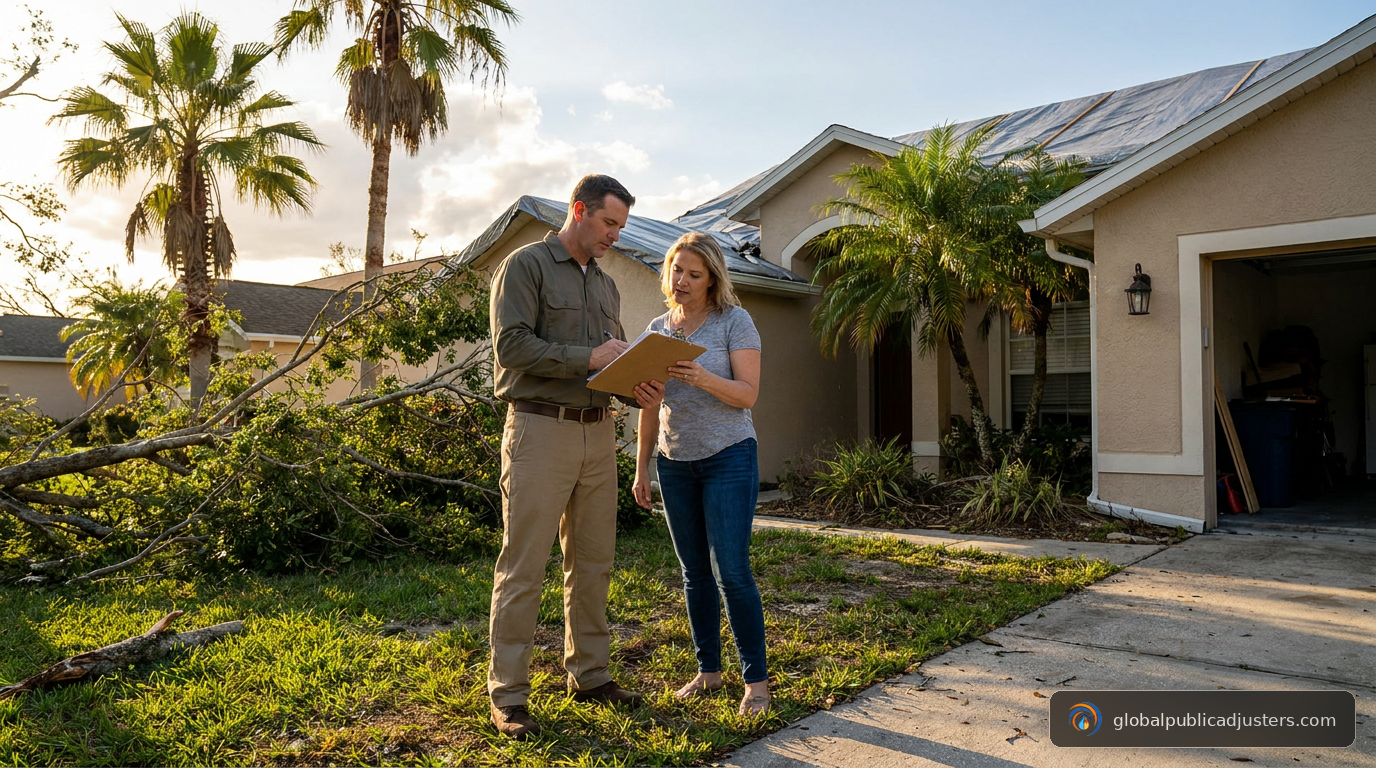
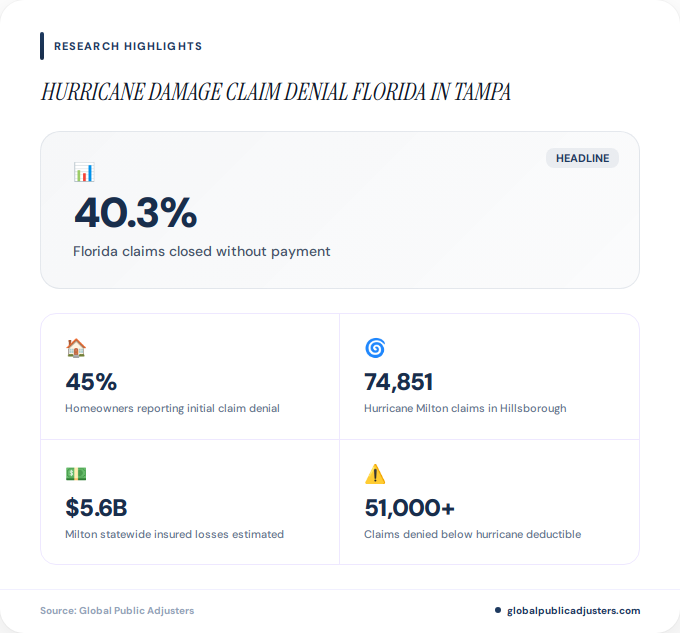
Nearly half of Florida homeowners who filed a storm claim recently say their insurer denied it at least once, according to a survey of 261 claimants in which45% reported an initial denial. If you are dealing with a hurricane damage claim denial in Florida, Tampa Bay’s experience with Hurricane Milton and Hurricane Helene shows this is not a rare outcome, it is the norm for a large share of policyholders. Understanding why claims get closed without payment, and how a public adjuster builds an appeal, is the difference between walking away with nothing and recovering the money your policy actually owes.
What Counts as a Hurricane Damage Claim Denial in Florida?
A formal denial is only part of the picture. Florida regulators and insurers also track claims “closed without payment,” a broader category that includes outright denials, damage falling below the deductible, lack of coverage, administrative closures, and claims the policyholder abandoned or withdrew. Statewide, private insurers closed40.3% of claims without payment in 2024, up roughly five percentage points from 2022, giving Florida the highest rate of unpaid claim closures of any state in the country.
That distinction matters for Tampa homeowners because an insurer can technically avoid saying “denied” while still paying nothing. A report on Hurricane Isaias claims found similar patterns of unpaid closures across Florida storms, reinforcing that this is a systemic issue rather than an isolated insurer problem, as detailed in reporting on Florida claims closed without payment. If your adjuster’s letter uses language like “no coverage afforded” or “damage below deductible,” you may still have grounds to challenge the outcome.
How Bad Is the Problem in Tampa After Milton and Helene?
The scale of hurricane activity hitting the Tampa Bay region in recent storm seasons is staggering. Hurricane Milton alone generated74,851 reported claims in Hillsborough Countyand55,848 in Pinellas County, with statewide insured losses estimated at$5.6 billion. Hurricane Helene added another18,881 claims in Hillsborough Countyand53,460 in Pinellas County, with roughly $2.6 billion in statewide insured losses.
| Event or Metric | Reported Figure |
|---|---|
| Hurricane Milton claims, Hillsborough County | 74,851 |
| Hurricane Milton claims, Pinellas County | 55,848 |
| Hurricane Helene claims, Hillsborough County | 18,881 |
| Hurricane Helene claims, Pinellas County | 53,460 |
| Milton estimated statewide insured losses | $5.6 billion |
| Helene estimated statewide insured losses | About $2.6 billion |
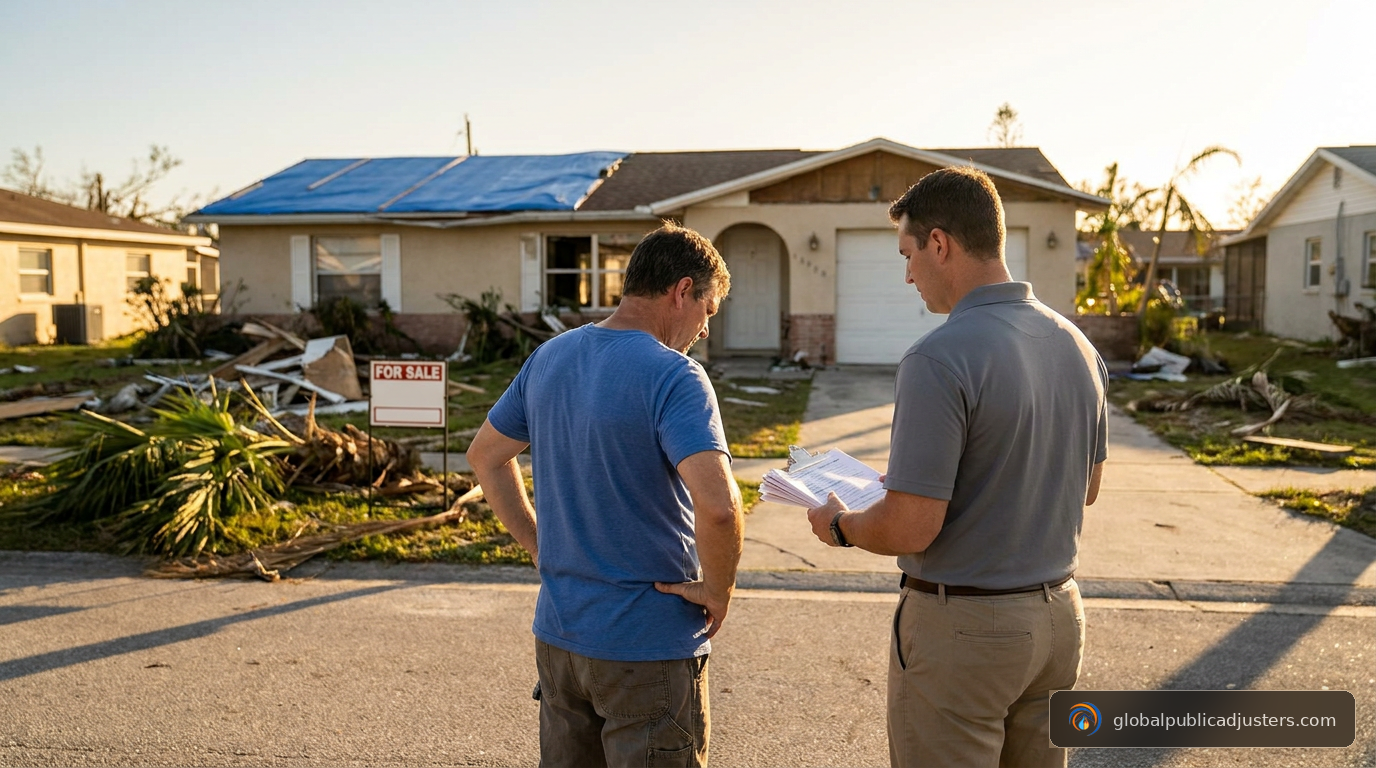
Of the Milton-related unpaid closures statewide, more than51,000 involved damage below the hurricane deductible, nearly45,000 were closed for administrative reasons, and about6,000 were attributed to flood damage, which standard homeowners policies typically exclude. Neighborhoods along Bayshore Boulevard, Davis Islands, and low-lying parts of St. Petersburg saw significant storm surge exposure, which is precisely where the wind-versus-flood dispute becomes most contentious for homeowners filing claims.
Why Do Insurers Deny Hurricane Claims in Tampa?
Tampa Bay’s flat topography, aging housing stock, and coastal exposure create specific patterns in how insurers deny or underpay claims. The most common reasons fall into a handful of categories.
- Flood versus wind disputes:Standard homeowners insurance excludes rising water and storm surge. Wind-driven rain entering through a storm-created opening may be covered, but insurers frequently argue the water came from flooding instead.
- Damage below the hurricane deductible:Even when damage is covered, if it does not exceed the separate hurricane deductible (often 2% to 10% of dwelling coverage), the insurer pays nothing.
- Wear, deterioration, or maintenance claims:Insurers often blame roof age, corrosion, or prior leaks rather than the hurricane itself, especially on homes in older Tampa neighborhoods like Seminole Heights or Palma Ceia.
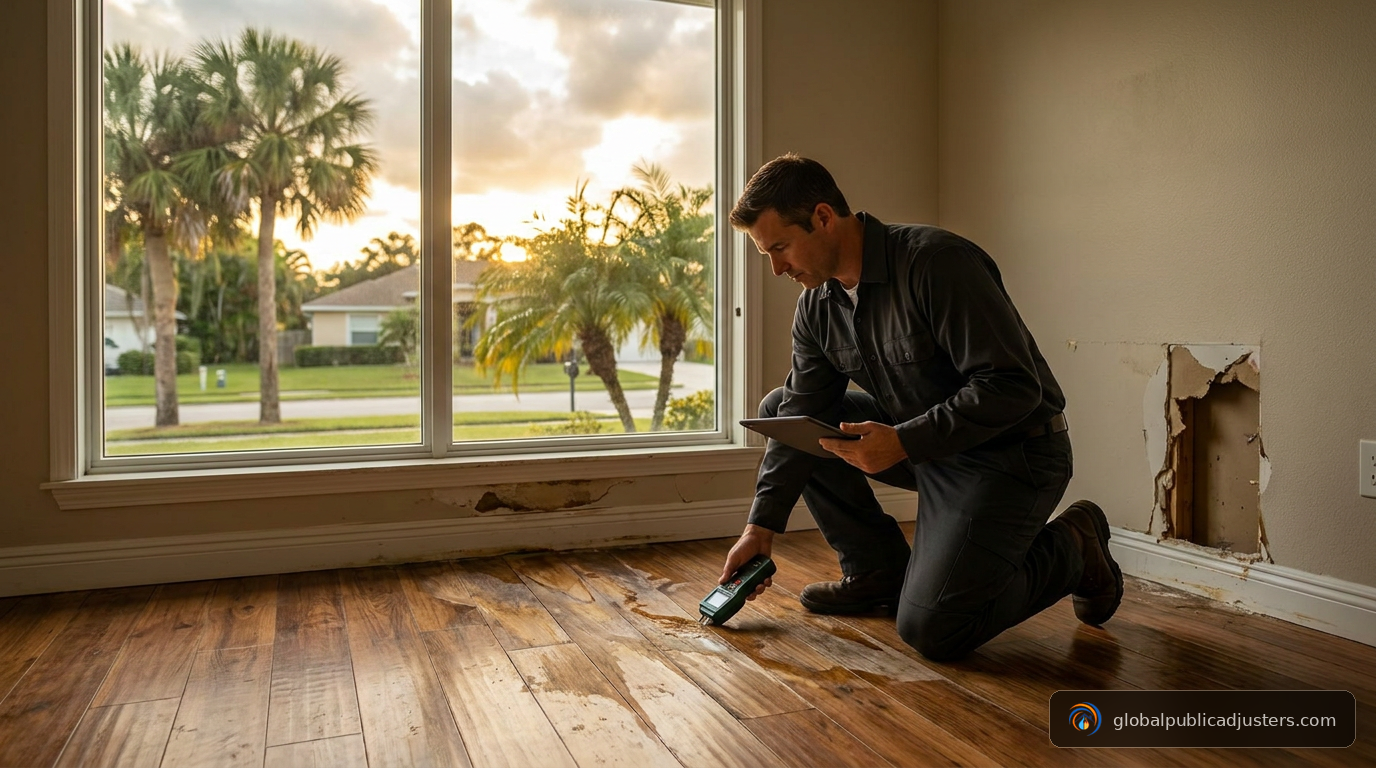
- Late notice or thin documentation:Delayed reporting or missing photos of the damage before repairs or tarping can undercut an otherwise valid claim.
- Causation disputes:Adjusters may claim pre-existing damage or faulty construction, not the storm, caused the loss.
- Policy exclusions and endorsements:Ordinance-and-law limits, roof-surface exclusions, matching restrictions, and vacancy clauses can all reduce or eliminate payment.
Legislative changes have also reshaped the claims landscape. A review of Florida’s insurance reforms found that despite promises of a more stable market, reporting on Florida’s insurance reform impact on Tampa-area claims found the changes coincided with more denials and litigation rather than fewer. For Hillsborough and Pinellas homeowners, that means the burden of proving a loss falls even more heavily on the policyholder.
How Do Public Adjusters Overturn a Denied Claim?
A licensed public adjuster works exclusively for the policyholder, not the insurance company, and is trained to find coverage the insurer’s adjuster may have overlooked or misapplied. For a hurricane damage claim denial in Florida, Tampa homeowners often discover that the insurer’s initial inspection missed attic damage, misclassified wind damage as wear, or applied the wrong deductible entirely.
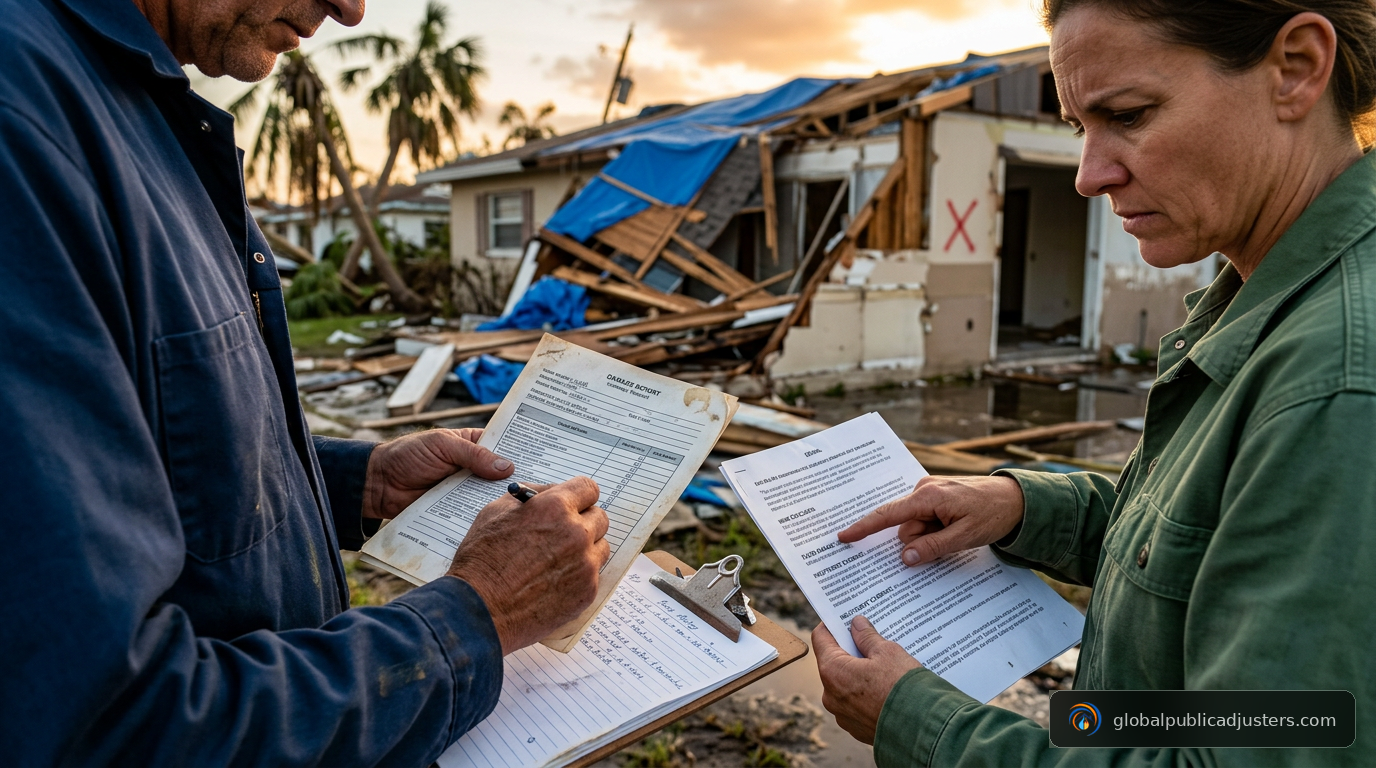
Public adjusters re-inspect the property, document damage with the level of detail insurers expect, obtain independent contractor and engineering estimates, and build a causation argument tied to the specific storm date and wind speeds recorded in Tampa Bay. They also cross-reference the policy’s exact language against the denial letter to identify where the insurer’s reasoning does not match the coverage actually purchased.
This approach matters because litigation has become a major part of the claims landscape. Of the roughly456,200 claims closed in 2025statewide,53,413 were litigatedand387,931 were resolved without litigation. A strong, well-documented appeal built by a public adjuster can often resolve a dispute before it ever needs a lawsuit, saving homeowners time and legal costs. For homeowners who want to understand the filing process from the start, our guide onfiling a hurricane damage claim in Floridawalks through the documentation steps that prevent denials in the first place.
What Does the Appeal Process Involve?
Overturning a hurricane damage claim denial in Florida follows a fairly consistent sequence, though timelines vary by insurer and the complexity of the loss.
- Policy and denial letter review:The adjuster examines the exact denial reasons cited and compares them against the policy’s actual exclusions and endorsements.
- Independent re-inspection:A full property walkthrough, often including roof, attic, interior, and exterior documentation, captures damage the insurer’s adjuster may have missed or downplayed.
- Expert reports:Engineers, roofers, or moisture specialists may be brought in to establish causation and rule out the “pre-existing damage” or “maintenance” arguments insurers commonly use.
- Demand package and appeal submission:A detailed estimate, photos, and causation narrative are submitted to challenge the denial or underpayment.
- Negotiation or escalation:If the insurer does not respond adequately, the claim may move to appraisal, mediation, or litigation, often with legal counsel working alongside the public adjuster.
Homeowners in Tampa dealing with water intrusion specifically should also review our resource ongetting a fair water damage claim settlement, since wind-driven rain and roof leak disputes often overlap with hurricane denials.
What Affects the Cost of Hiring a Public Adjuster?
Public adjuster fees in Florida are typically a percentage of the final claim settlement, and that percentage can vary based on the complexity of the claim, whether it involves litigation, the size of the loss, and how much additional documentation or expert testimony is required. Pricing varies based on your specific project, and a straightforward roof claim will cost differently than a complex, multi-structure commercial loss with disputed causation.
Rather than quoting a flat number, most reputable firms assess the scope of damage, the insurer’s position, and the likelihood of needing engineers or legal support before providing a custom quote. For a full breakdown of how these fees are typically structured across Florida, see our2026 public adjuster pricing guide for Florida homeowners.
Simple roof-only claims:typically faster to resolve
Litigated 2025 closures:53,413
Straightforward wind claims:fewer experts required
Homeowners weighing whether to hire help at all should also compare outcomes: a Florida couple’s experience recovering an additional $46,000 after disputing a lowball Hurricane Ian settlement illustrates how significant the gap can be between an insurer’s first offer and the claim’s true value. Broader market research on storm resilience, including a Swiss Re analysis on how natural habitats reduce flood losses, also underscores why Tampa’s coastal geography makes flood-versus-wind disputes especially common here.
Key Takeaways
- Florida insurers closed40.3% of claims without payment in 2024, the highest unpaid-closure rate in the country.
- Hurricane Milton alone generated74,851 claims in Hillsborough Countyand55,848 in Pinellas County.
- A recent survey found45% of Florida claimantsexperienced at least one initial denial.
- Common denial reasons include flood exclusions, hurricane deductibles, maintenance disputes, and causation arguments.
- Of 2025’s 456,200 closed claims statewide,53,413 involved litigation, showing many disputes escalate beyond the initial denial.
- Public adjusters re-inspect, re-document, and build causation evidence that frequently overturns denials without a lawsuit.
- Pricing for public adjuster services varies by claim complexity, so a custom quote reflects your property’s actual scope.
People Also Ask
Can I appeal a denied hurricane claim in Florida?
Yes. You can request reconsideration, submit additional documentation, invoke the policy’s appraisal clause, file a complaint with the Florida Department of Financial Services, or pursue litigation. Most successful appeals start with a thorough independent re-inspection and expert causation report.
Why do so many Florida hurricane claims get closed without payment?
Many closures reflect damage falling below the hurricane deductible, flood exclusions, or administrative processing, not necessarily a dispute over coverage. Statewide, insurers closed 40.3% of claims without payment in 2024, a mix of true denials and these other categories.
How long do I have to file a hurricane claim in Florida?
Florida law generally requires hurricane claims to be filed within one year of the date of loss, though policy-specific notice provisions may impose shorter deadlines for initial reporting. Filing promptly and documenting damage immediately strengthens your position significantly.
Does homeowners insurance cover storm surge in Tampa?
No. Standard Florida homeowners policies exclude storm surge and flood damage, which must be covered separately through a flood insurance policy. This exclusion is one of the leading reasons Tampa Bay claims near the coast get denied after major storms.
Frequently Asked Questions
What should I do first after a hurricane claim denial in Tampa?+
Request the full denial letter and claim file from your insurer, then compare the stated reasons against your actual policy language. Contact a licensed public adjuster to review the file and determine whether a re-inspection or appeal is warranted before any deadline passes.
Is a public adjuster worth it for a denied claim?+
Public adjusters specialize in identifying coverage insurers overlook and are paid a percentage of the recovered settlement, aligning their incentive with yours. Many Tampa homeowners recover significantly more than an initial lowball offer once a public adjuster rebuilds the documentation and estimate.
What is the difference between a denial and a claim closed without payment?+
A denial is a formal determination of no coverage, while “closed without payment” is a broader category that also includes damage below the deductible, administrative closures, and withdrawn claims. Florida’s 40.3% unpaid-closure rate in 2024 includes all of these outcomes, not just formal denials.
Why are hurricane deductibles a common reason for denial in Tampa?+
Hurricane deductibles in Florida are often set as a percentage of dwelling coverage, sometimes 2% to 10%, rather than a flat dollar amount. If the covered damage does not exceed that threshold, the insurer owes nothing even though a loss clearly occurred.
Can I reopen a hurricane claim from a prior storm season?+
In many cases, yes, particularly if new damage emerges or the original claim was closed prematurely or without full documentation. Florida’s statute of limitations and specific policy provisions determine the window, so a public adjuster should review the original file quickly.
Does Florida’s insurance reform make it harder to win a claim?+
Reports indicate reform changes have coincided with increased denials and litigation in some cases, rather than the reduced friction policymakers promised. This makes thorough documentation and professional representation more important than ever for Tampa homeowners.
Facing a hurricane damage claim denial in Florida is stressful, but it is rarely the final word on what your policy owes. Tampa homeowners across Hillsborough and Pinellas counties have successfully overturned denials and underpayments by working with professionals who know exactly how insurers build their denial letters, and how to dismantle them with evidence. If your claim was denied or closed without payment after Milton, Helene, or any prior storm,reach out to our team for a free claim review, or explore our full range ofpublic adjusting servicesto see how we can help you fight for the settlement you are owed.