Property damage claim: 5 Proven Steps to Success
Understanding Property Damage Claims: Your First Steps to Recovery
Aproperty damage claimis your formal request for compensation after your property is damaged or destroyed. Whether you’re dealing with storm damage, fire, vandalism, or another disaster, understanding the claims process can mean the difference between a fair settlement and thousands of dollars left on the table.
Key things to know about property damage claims:
- What it covers: Physical damage to your home, business, vehicle, or personal belongings
- Who pays: Typically your insurance company (first-party claim) or the responsible party’s insurer (third-party claim)
- Time limits: Most states give you 2-5 years to file, but insurance policies may require immediate notification
- Common causes: Fire, water damage, storms, theft, vandalism, and accidents
- Your rights: You can dispute low offers, hire your own adjuster, and negotiate settlements
Property damage cases tend to have their own deadlines when it comes to your right to file a civil lawsuit.These deadlines vary by state and type of damage, making it crucial to act quickly after finding property damage.
The claims process can feel overwhelming, especially when you’re already stressed from the damage itself. Insurance companies have teams of adjusters and lawyers protecting their interests. This guide walks you through every stage of filing and settling a property damage claim—from the moment disaster strikes to receiving your final payment.
You’ll learn how to document damage properly, understand what your policy actually covers, work with (or around) insurance adjusters, and know when to bring in professional help. Most importantly, you’ll find how to avoid the common mistakes that cause claims to be underpaid or denied.
Similar topics toproperty damage claim:
- Florida home insurance specialists
- bodily injury property damage
- can i settle bodily injury claim with property damage pending
What is a Property Damage Claim? The Fundamentals
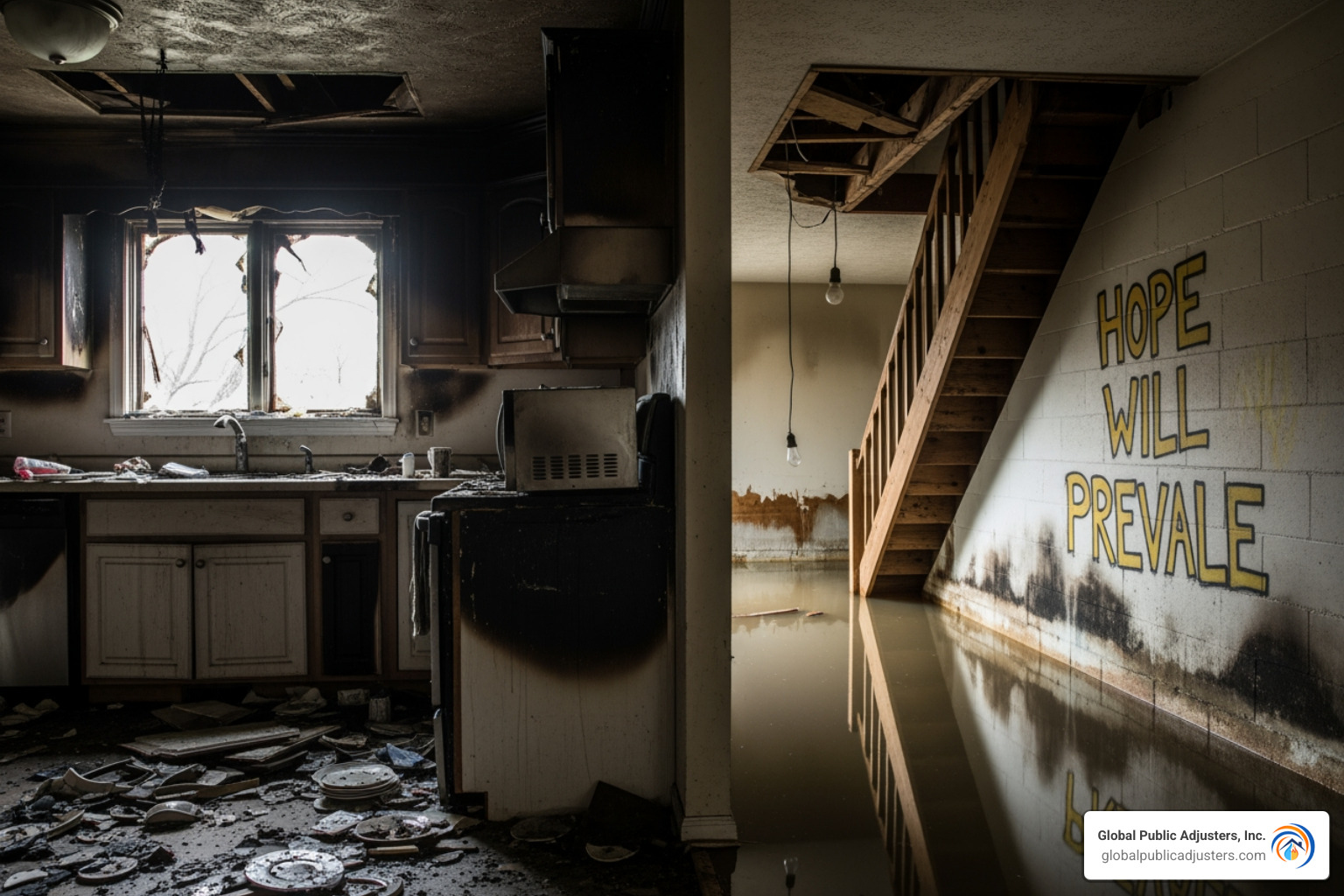
In simple terms, a property damage claim arises when your tangible property (your home, business, belongings, or structures) suffers physical harm. Legally, property falls into two big buckets:
- Real property: Land and structures (homes, buildings, fences, detached garages).
- Personal property: Moveable items (furniture, electronics, inventory, machinery).
Common causes of property damage we see across Florida include:
- Negligence: A contractor’s mistake floods a kitchen; a neighbor’s neglected tree crushes your fence.
- Willful destruction: Break-ins, theft, and vandalism. Learn more aboutTheft & Vandalism Damage.
- Acts of nature: Hurricanes, tornadoes, lightning, hail, and wind-driven rain. SeeTypes of Property Damage Caused by Hurricanes.
Insurance policies vary, but typical homeowners and commercial property policies in Florida cover sudden and accidental perils such as:
- Fire and smoke
- Windstorm and hail
- Lightning
- Theft and vandalism
- Certain kinds of sudden water damage (for example, a burst pipe)
Common exclusions and limitations you should know:
- Flood is excluded under standard policies; it requires separateflood insurance, which is available through the National Flood Insurance Program (NFIP) and some private insurers.
- Wear and tear, rot, and long-term leaks are usually excluded.
- Some water damage is excluded unless added via endorsement (e.g., sewer/drain backup).
- Coverage limits, sub-limits (e.g., for jewelry or landscaping), and deductibles can significantly affect your payout.
Not sure what you actually have? Start here:How to Determine Your Insurance Coverage Needs.
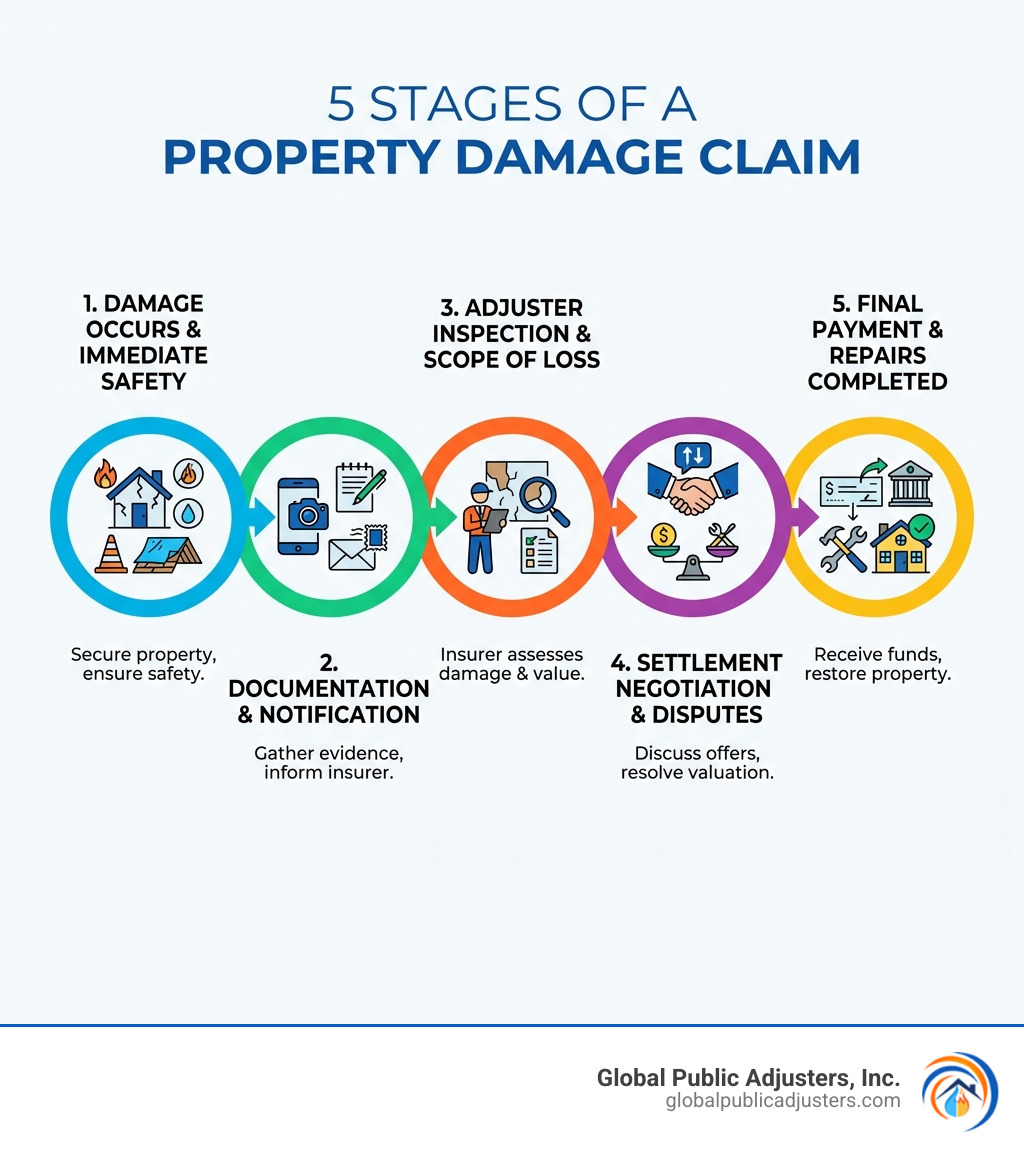
Step-by-Step Guide to Filing Your Insurance Claim
Whether you’re a homeowner in Orlando or a business owner in Pensacola, the framework of a first-party insurance claim is similar. Commercial policies often add business-specific protections (like business income/extra expense), which we cover below and here:Commercial Insurance Claims Orlando.
Initial Steps After Damage Occurs
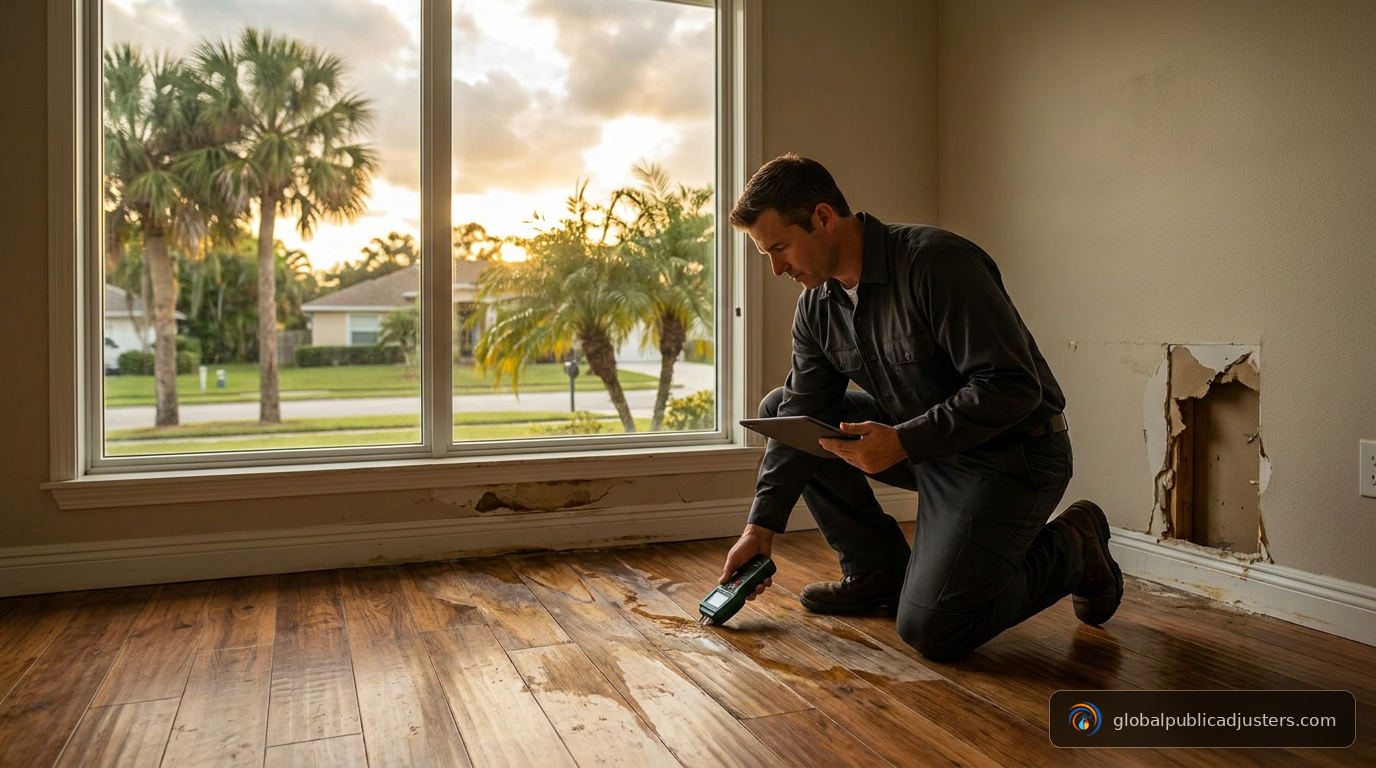
Safety first. Then secure the property to prevent further damage. Most Florida policies require “reasonable steps” to mitigate damage after a loss.
- Protect the scene: Shut off utilities if needed. If the roof’s compromised, schedule emergency tarping:Roof Tarping Service Orlando.
- Make emergency repairs: Board windows, wrap a damaged roof, stop active leaks. Keep these limited to prevent further damage until inspections are completed.
- Save receipts: Materials, temporary lodging, generators, dehumidifiers, tarps—these costs can be reimbursable when related to a covered loss.
- Don’t toss damaged items yet: Your insurer (and your public adjuster) may need to inspect them.
Pro tip: If it’s unsafe to stay in your home, your policy may provide Additional Living Expenses (ALE). Keep every receipt and log the dates you’re displaced.
How to Document Your Property Damage Claim
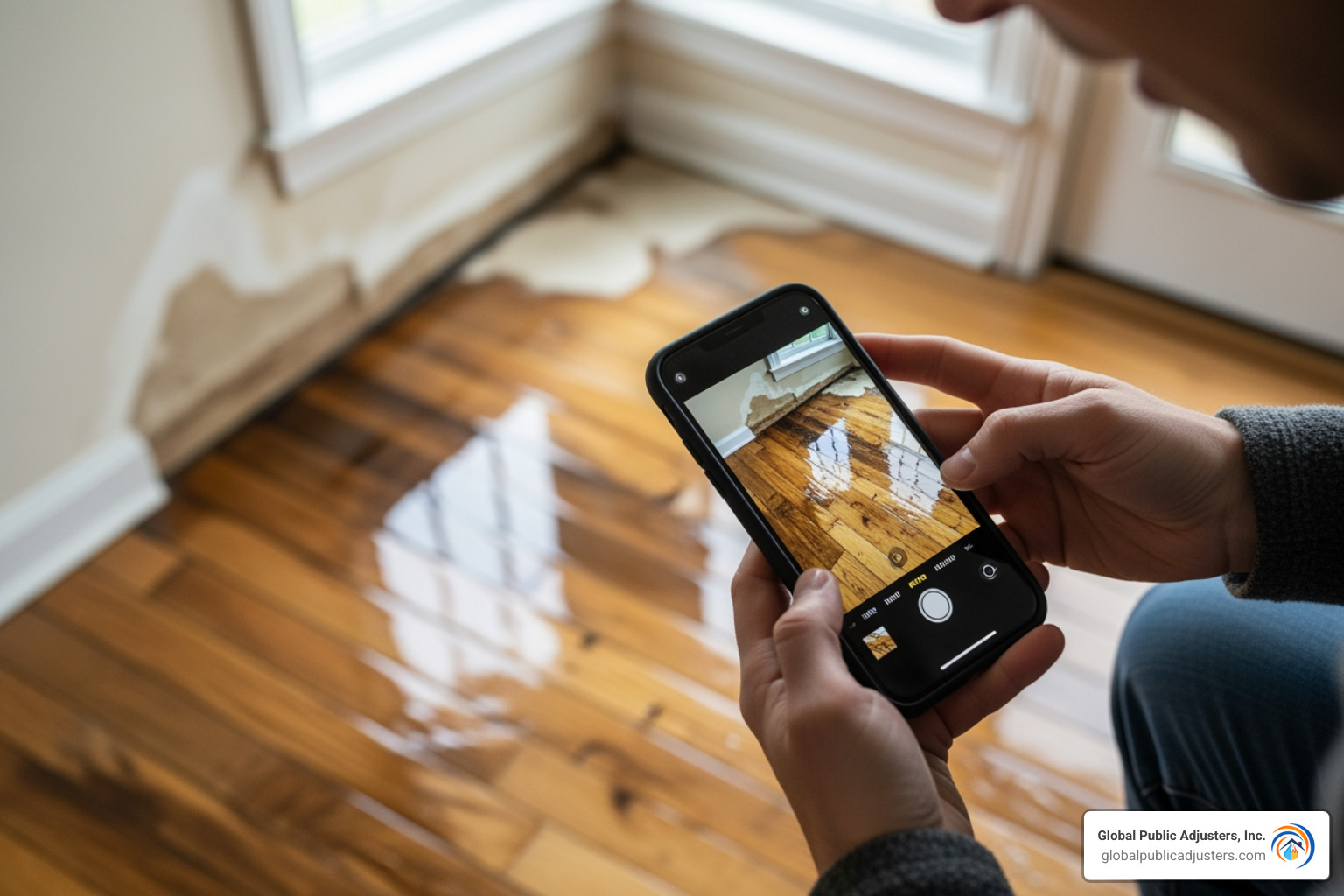
Documentation is your best friend. Think “clear, complete, and consistent.”
- Photos and video: Capture wide shots, close-ups, and serial/model numbers. Time-stamp your files if possible.
- Itemized inventory: List what’s damaged, original price, purchase date, and replacement cost if known.
- Professional estimates: Obtain at least one licensed contractor’s estimate (more for large losses).
- Communication log: Keep a dated record of every call, voicemail, email, and text with your insurer, adjusters, contractors, and vendors.
- Expense folder: Store receipts for emergency repairs, temporary housing, meals, storage, and equipment rentals.
Filing the Claim and Communicating with Your Insurer
- Notify your insurer promptly: Report what happened, where, when, and the suspected cause. Get a claim number.
- Understand your duties after a loss: Most policies require prompt notice, proof of loss, cooperation with inspections, and preservation of evidence.
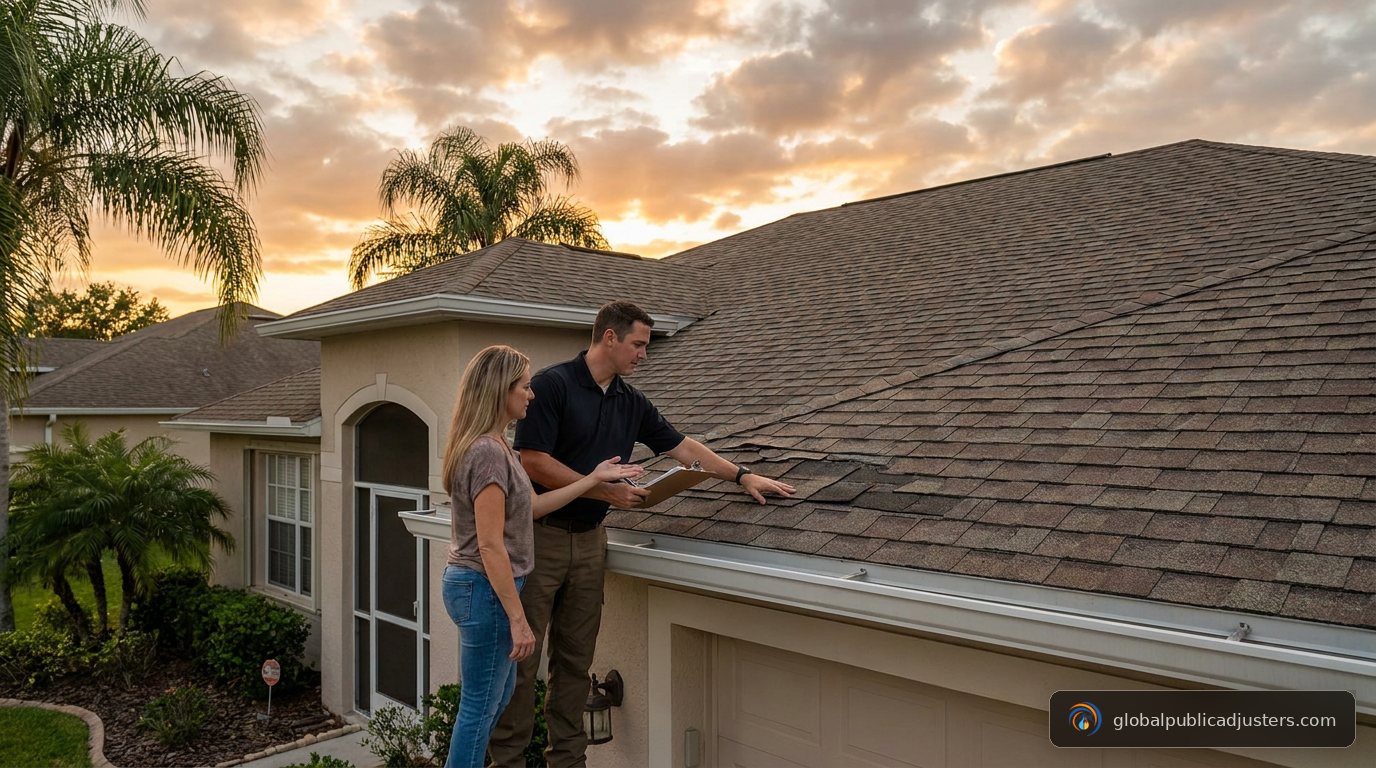
- Prepare for the inspection: Have your documentation organized. If you’ve hired us as your public adjuster, we attend and lead the walk-through to ensure a complete scope.
- Be careful with recorded statements: Stick to facts. Don’t guess causes or costs—your documentation will speak for itself.
Need an extra hand? Explore ourHomeowners Claim Process Orlando, FLandInsurance Claims Orlando, FLresources.
Maximizing Your Settlement: Valuation, Adjusters, and Damages
Understanding Property Valuation
Two valuation methods dominate property claims:
- Replacement Cost (RC): The amount to replace or repair property with similar kind and quality, without deducting for depreciation.
- Actual Cash Value (ACV): Replacement cost minus depreciation (age, wear and tear, condition).
Depreciation basics: A 10-year-old roof doesn’t have the same value as a brand-new roof. Under ACV, the payout reflects the roof’s age and condition; with RC, you’re paid to get back to comparable “new” condition (often in two steps: ACV now, recoverable depreciation after repairs are completed, subject to policy terms).
Here’s a quick side-by-side:
| Item/example | Replacement Cost (RC) | Actual Cash Value (ACV) |
|---|---|---|
| 15-year-old shingle roof damaged by wind | Pays what it costs to replace with similar shingles today (minus deductible). Often paid in two parts: ACV upfront, then remaining depreciation after proof of completed work. | Pays today’s cost to replace minus depreciation for age/condition (minus deductible). No depreciation “holdback” to recover later. |
| 8-year-old washer ruined by a burst pipe | Pays the cost of a comparable new machine today. | Pays the depreciated value of the old washer, based on age/condition. |
Note on sentimental items: Policies pay market or replacement value, not sentimental value. For antiques or collectibles, appraisal and scheduled endorsements can help.
Want a deeper dive? SeeWater Damage Claims OrlandoandFire Damage Claims Orlando.
The Role of the Insurance Adjuster
There are three main players you may encounter:
- Company adjuster: Employed by your insurer to evaluate coverage and cost.
- Independent adjuster: Contracted by the insurer when workloads spike (e.g., after a hurricane).
- Public adjuster: Licensed by the state to represent policyholders (you), not the insurer. That’s us.
What we do for you:
- Build and submit a complete, defensible scope of loss
- Price repairs accurately with local labor and materials
- Organize and present documentation, evidence, and estimates
- Negotiate coverage and valuation issues with the carrier
- Keep you updated and moving toward settlement
Learn more:What Can a Public Adjuster Do For Me?andReasons to Hire a Public Adjuster for Property Damage.
About the inspection and scope of loss:
- The “scope” is the who/what/where/how of the damage and needed repairs (materials, quantities, quality, and labor).
- A thorough scope makes or breaks your payout. Missing line items—like code-required upgrades, underlayment, or detach-and-reset of fixtures—can cost thousands.
For house fires, see our insights onThe Best Way to Deal with an Insurance Adjuster After a House Fire.
Types of Damages You Can Claim
- Compensatory damages: The core of insurance claims—what it takes to repair or replace damaged property (plus applicable tax, overhead/profit, and code upgrades if covered).
- Consequential damages: Losses caused by the damage, such as Additional Living Expenses for homeowners and business income/extra expense for commercial policies.
- Incidental damages: Reasonable costs tied to the loss, like emergency board-up, roof tarping, water extraction, or equipment rentals.
Note: Punitive damages are generally a court-awarded remedy in lawsuits against wrongdoers, not a benefit under your own property policy. If your loss involves a liable third party, speak with counsel about your options.
Navigating Complex Claims and Disputes
What to Do When You Disagree with a Settlement
Low offer? Missing line items? Take a breath—we’ve seen it all.
- Compare scopes: Line-by-line, compare the carrier’s estimate with your contractor’s or our public adjusting estimate.
- Back up your position: Provide photos, building codes, permits, material specs, and reputable estimates.
- Use your policy tools: Many Florida property policies include an appraisal clause for valuation disputes (not coverage disputes). Appraisal brings in neutral parties to decide the dollar amount of the loss.
- Keep negotiating: Be firm and factual. Escalate to a supervisor as needed. We handle this for you.
If you’ve received a denial or unexplained cutbacks, read:What to Do When Your Home Insurance Claim is Deniedand, if needed, how toreverse a denied claim.
When to Hire Professional Help
You don’t need to go it alone. Consider bringing in a public adjuster if:
- The loss is large or complex (fire, hurricane, extensive water or mold)
- The carrier is slow-walking, underpaying, or denying
- You’re overwhelmed or short on time
- Your business can’t operate and every day counts
We’re here for Orlando, Pensacola, and communities across Florida. Explore why:Reasons to Hire a Public Adjuster for Property DamageandProperty Damage Claims Orlando.
Important Deadlines: Statutes of Limitations
Florida-specific timelines change, and your policy may impose even shorter deadlines than the civil statutes. Two key points:
- Report promptly: Most policies require you to give immediate or prompt notice after finding a loss.
- Hurricane claims: Florida has specific time limits for hurricane-related claims and supplements—review them here:What Are the Time Limits for Hurricane Damage Claims in Florida?.
Missed deadlines can sink an otherwise solid claim. When in doubt, report early and document thoroughly.
Special Considerations for Different Types of Claims
Homeowner vs. Commercial Property Damage Claim
Homeowner claims center on your dwelling, other structures, and personal property—with Additional Living Expenses if you’re displaced. See:
- Water Damage Claims Orlando
- Mold Damage Claims Orlando
- Fire Damage Claims Orlando
- Hurricane Damage Claims Orlando
Commercial claims often add:
- Business income and extra expense
- Coverage for installed and uninstalled equipment
- Ordinance or law/code upgrades
- Larger-scale mitigation and build-back
Start here for businesses:Commercial Insurance Claims Orlando.
Claims Involving Car Accidents
When a vehicle crash damages your property (fence, storefront, landscaping) or your vehicle is the damaged property, you still have a property damage claim—just under different policy types.
Key points:
- Vehicle total loss vs. repair: Insurers typically value vehicles at Actual Cash Value (ACV). If you have a loan, gap insurance can cover the difference between the ACV payout and your loan balance.
- Diminution in value (DIV): If your repaired vehicle is worth less due to accident history, a diminution in value claim may be possible against the at-fault party’s insurer.
- Rentals: If you lose the use of your vehicle or business equipment, keep all receipts for rental or temporary replacements.
If a crash damages your building or inventory, your commercial policy may respond; if your vehicle is damaged, your auto policy or the at-fault driver’s policy applies. Document everything and contact us—we coordinate the moving parts so you don’t have to.
Filing a Claim Against a Government Entity
When a city, county, or state agency in Florida is responsible for property damage (for example, a water main break), special rules apply:
- Sovereign immunity: Florida law limits lawsuits against government entities.
- Strict notice: You must provide formal written notice to the proper agencies within specific timeframes before suing.
- Shorter deadlines and caps: These cases have unique deadlines and potential damage caps.
Because procedures are technical, talk to us early. We’ll help you preserve rights while you evaluate next steps with counsel.
Conclusion
Property losses are stressful—but they don’t have to be financially devastating. By acting quickly, documenting thoroughly, understanding your policy, and negotiating confidently, you can steer yourproperty damage claimfrom chaos to fair settlement.
- Prioritize safety and mitigation
- Document everything (photos, inventories, estimates, logs)
- Know your coverage, exclusions, and valuation (RC vs. ACV)
- Use your policy tools (appraisal, supplements)
- Bring in experts when needed
We’ve represented Florida homeowners and business owners for decades, from Orlando to Pensacola, getting claims paid fully and fairly. Don’t settle for less than you’re owed.
Ready for help that puts you first?Get expert assistance with all your property damage claim needs.