Broken pipe insurance claim: Get a Fair 2025 Settlement
When Water Damage Strikes: Understanding Your Rights and Coverage
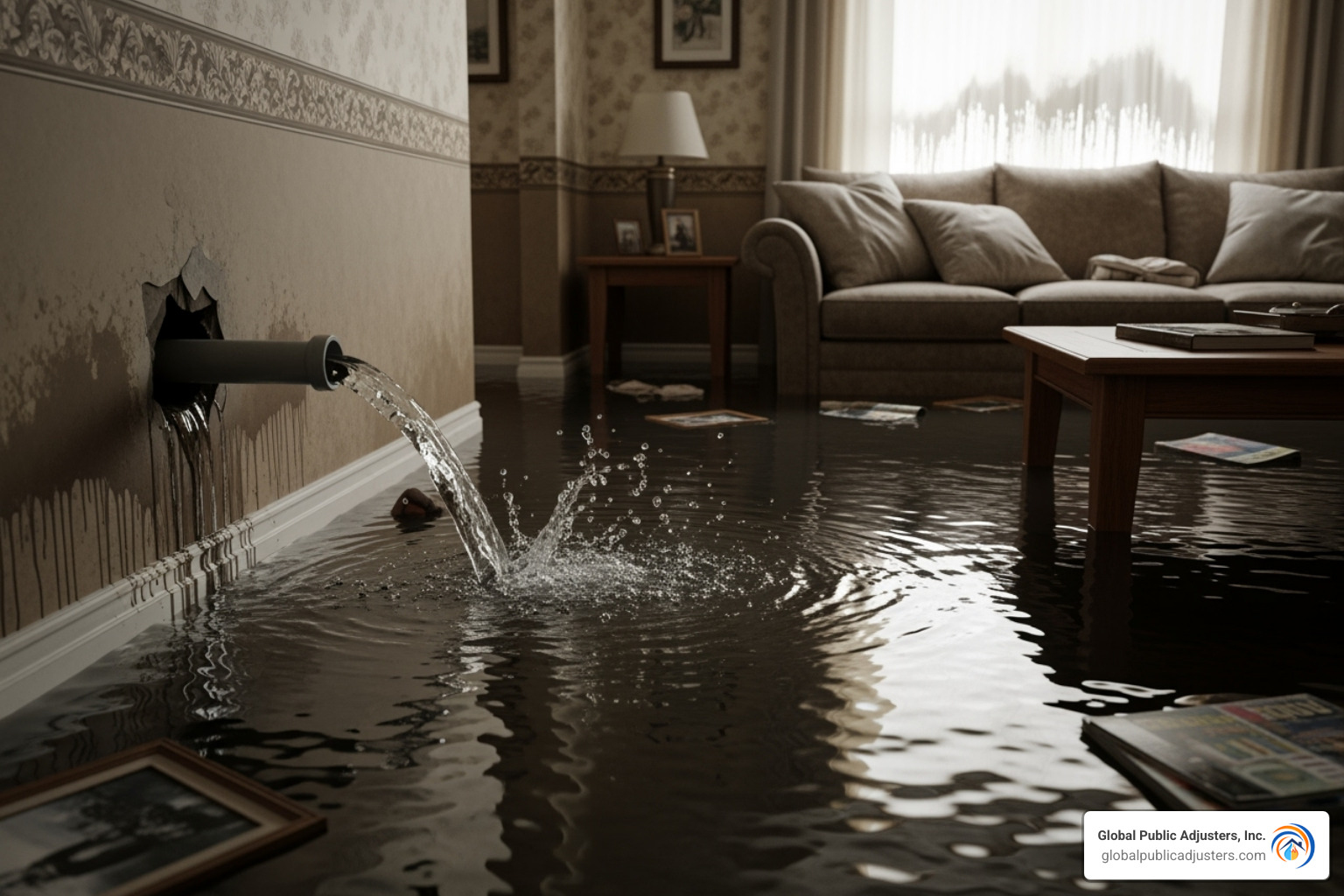
Abroken pipe insurance claimcan feel overwhelming when you’re standing in ankle-deep water at 2 AM. But here’s what you need to know right away:
Quick Coverage Overview:
- Covered:Water damage to your home’s structure, flooring, walls, and personal belongings
- Covered:Additional living expenses if your home becomes uninhabitable
- NOT Covered:The actual pipe replacement (usually considered maintenance)
- NOT Covered:Damage from neglect, wear and tear, or turning off heat in winter
- Average Claim Cost:Approximately $10,000 per incident
Water damage from burst pipes ranks as thesecond most-filed insurance claimin the United States. The good news? Most homeowners insurance policies do cover the resulting damage when a pipe burstssudden and accidental.
The bad news? Insurance companies often deny claims or offer lowball settlements, especially when they can argue the damage resulted from poor maintenance or negligence.
The key distinctionthat trips up most homeowners: your policy typically covers the water damage butnotthe cost of fixing or replacing the actual pipe. Think of it this way – insurance pays for the mess the water made, not the plumbing repair itself.
Understanding this difference upfront can save you thousands of dollars and months of frustration when dealing with your insurer.

Understanding Your Coverage for Burst Pipe Damage
Picture this: you walk into your kitchen and find water cascading from your ceiling like an indoor waterfall. Your first thought? “Please tell me insurance covers this!” The good news is that most homeowners insurance policiesdocoverbroken pipe insurance claimsituations when they happen suddenly and accidentally.
But here’s where it gets tricky. Your policy isn’t a magic wand that fixes everything water touches. Understanding what’s covered (and what isn’t) can save you from nasty surprises when you’re already dealing with soggy carpets and waterlogged furniture.
What Damage Is Typically Covered?
When a pipe bursts, your homeowners insurance typically helps through three main coverage areas.
Dwelling Coverage (Coverage A)pays to repair your home’s structure, including water-damaged walls, floors, ceilings, and built-in fixtures. It may also cover mold remediation if the mold resulted from the sudden burst.
Personal Property Coverage (Coverage C)covers your damaged belongings, like furniture, electronics, and clothing. Be aware that many policies pay the Actual Cash Value (what the item is worth today), not the full replacement cost. Consider upgrading to Replacement Cost Value coverage for better protection.
Additional Living Expenses (Coverage D)is your lifeline if your home is unlivable. This coverage pays for hotel stays, temporary rentals, restaurant meals, and other extra costs you incur while displaced, such as pet boarding or laundry services.
The Pipe vs. The Water Damage: A Critical Distinction
Here’s where many homeowners get confused, and frankly, it’s the most important thing to understand about anybroken pipe insurance claim.
Your insurance covers themess the water made, not the broken pipe itself. Think of it like this: if your neighbor’s kid throws a baseball through your window, their insurance might pay to fix the hole in your wall but not to replace the baseball. The pipe is usually considered a maintenance item—something that wears out over time and needs replacing as part of normal homeownership.
But don’t panic just yet. While you’ll likely pay out of pocket for the actual pipe replacement, your insurancedoescover the cost to access that pipe. If workers need to tear out your kitchen wall to reach the broken pipe, that wall demolition and repair is covered. The water damage to your floors, cabinets, and belongings? Also covered.
The key phrase in your policy is “sudden and accidental.” If your pipe burst because of freezing temperatures, sudden pressure changes, or accidental damage, you’re typically in good shape for coverage of the resulting water damage.
Common Exclusions and Reasons for a Denied Broken Pipe Insurance Claim
Nobody likes surprises, especially when you’re already dealing with water damage. These common exclusions trip up many homeowners, so knowing them upfront can save you heartache later.
Negligence and lack of maintenanceare top reasons for denial. If you ignored a known leak for months or let your pipes freeze by turning off the heat in winter, your claim will likely be rejected. Policies typically require you to maintain heat at 55-60 degrees.
Gradual damageis not covered. Insurance is for sudden accidents, not a pipe that has been slowly dripping for weeks, causing hidden mold and rot. If a leak existed for more than 14 days, it may be considered gradual.
Pre-existing problemsthat existed before your policy began are also excluded.
Here’s a big misconception:flood damage isn’t coveredby standard homeowners insurance. If water enters your home from outside (heavy rain, overflowing rivers), you need separate flood insurance. About 43% of homeowners mistakenly think their regular policy covers floods—it doesn’t.
Sewer backups and sump pump failuresalso require special coverage. That gross water backing up from your sewer line? Not covered unless you bought a specific endorsement. Same goes for when your sump pump gives up during a storm.
Finally,ground movementcan cause pipes to break, but earthquake-related damage requires separate earthquake insurance.
What to Do Immediately After Finding a Burst Pipe
Picture this: you walk into your kitchen for your morning coffee and hear the dreaded sound of rushing water where there shouldn’t be any. Your heart sinks as you realize you’re dealing with a burst pipe. Take a deep breath –every second counts, but panicking won’t help yourbroken pipe insurance claim.
The actions you take in the first few hours can dramatically improve your insurance settlement outcome and save you thousands in additional damage.

Step 1: Stop the Water and Mitigate Damage
Your immediate mission is to stop the water and limit the damage. Think of yourself as a first responder.
Shut off your main water supply immediately.This valve is usually in a basement, crawl space, or garage. Turn it clockwise to close it. If you can’t find it or it’s stuck, call a plumber right away.
Once the water stops,call a licensed plumberto fix the pipe. While insurance may not cover this specific repair, a quick fix prevents more damage.
Next,remove standing wateras fast as possible using buckets, mops, and a wet/dry vacuum. The longer water sits, the deeper it soaks into subfloors and drywall.
Drying is your next critical step.Use fans and dehumidifiers to create airflow and get everything bone dry within 24-48 hours. This is your window to prevent mold growth. For extensive damage, especially with carpets, call a professional water damage restoration company.
Step 2: Document Everything Thoroughly
Before cleaning up, thoroughly document the damage to support yourbroken pipe insurance claim. Resist the urge to fix everything until you have a record.
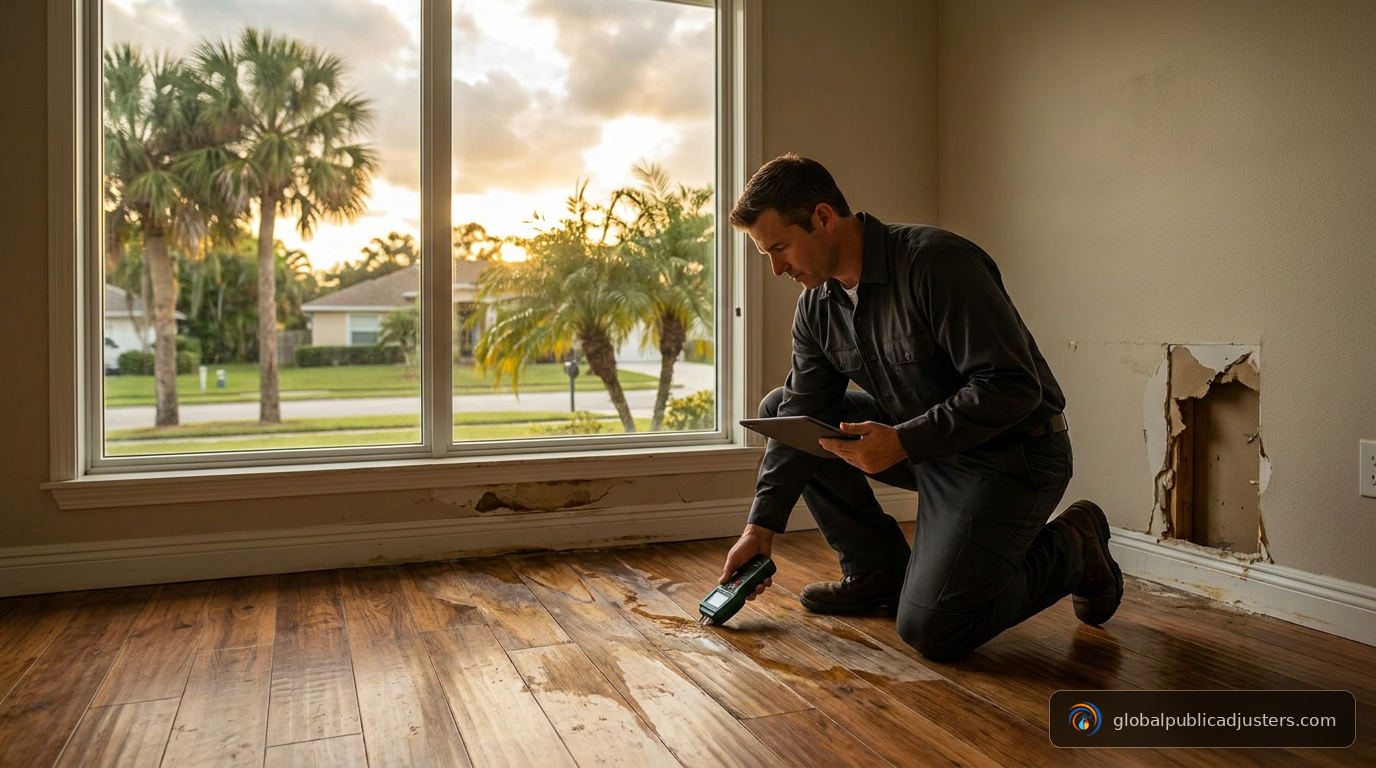
Your camera is now your best friend.Take extensive photos and videos. Capture wide shots of the affected areas and close-ups of specific damage, including the broken pipe itself. A narrated video walkthrough is excellent evidence.
Create a detailed inventoryof all damaged personal property. List each item, its brand, age, and estimated replacement cost. Photograph items individually before moving them.
Keep all receiptsfor any expense related to the incident, from the emergency plumber to hotel stays. These may be reimbursable under your policy.
Start a communication log.Note the date, time, person, and details of every conversation with your insurer or contractors. This simple habit can be invaluable in a dispute.
Finally,don’t throw anything awayuntil your insurance adjuster has inspected it or given you permission. If an item is a health hazard, photograph it extensively from all angles before disposal.
Filing Your Broken Pipe Insurance Claim: A Step-by-Step Guide
Now that you’ve handled the emergency and documented everything, it’s time to officially file yourbroken pipe insurance claim. This is where things get more formal, but we’ll walk you through each step to help you get the best possible outcome.

Notifying Your Insurance Company and Providing a Proof of Loss
Time is of the essence when filing a claim. The faster you report the damage, the better. Insurers can use delays against you, arguing that waiting made the damage worse.
Contact your insurance company immediatelythrough your agent or their claims department. Have your policy number ready. They will assign you a claim number for all future communication.
While waiting for an adjuster,review your policy. Understanding your coverage limits, deductible, and specific requirements for water damage claims will empower you during negotiations.
Your insurer will require aformal proof of lossdocument. This is your official statement of damages and claimed costs. Use your detailed documentation to fill this out accurately and be mindful of submission deadlines.
Navigating the Adjuster’s Inspection
Next, the insurance company will send an adjuster to inspect the damage.The adjuster works for the insurance company, not for you. Their goal is to assess the damage according to the policy, which often means finding ways to minimize the payout.
Be present for the inspection. Show the adjuster all the damage, provide your documentation, and ask questions. Take notes on their comments and get their contact information.
This is whereprofessional claim assistance becomes invaluable. At Global Public Adjusters, Inc., we work exclusively for you. With over 50 years of experience, we know how insurers operate. We assess your damages thoroughly and negotiate directly with the insurance company to maximize your settlement.
What to Do If Your Broken Pipe Insurance Claim is Denied or Undervalued
Even if you do everything right, you may face a claim denial or a lowball settlement offer. Don’t panic—you have options.
If your claim is denied,carefully read the denial letter. Insurers must explain their reasoning, which may contain flaws you can challenge.
If you receive a low offer,ask for a detailed breakdownof their calculations. Often, their math is faulty or they’ve missed significant damage.
Don’t accept the first offerif it seems too low. It’s almost always a starting point for negotiation. Use your documentation and contractor estimates to support your case.
If you believe the insurer is acting in bad faith, you can file a complaint with yourstate’s Department of Insurance. They can mediate disputes and investigate unfair practices.
This is exactly where Global Public Adjusters, Inc. shines. We are experts at challenging unfair denials and lowball offers. We advocate for you, manage appeals, and ensure your rights are protected throughout the process.
Proactive Prevention: How to Avoid Future Pipe Damage
Let’s be honest – dealing with onebroken pipe insurance claimis enough for a lifetime. The good news? Most pipe bursts are preventable with some basic maintenance and smart preparation. Think of it as insurance for your insurance claim.

Routine Maintenance and Inspections
Regular check-ups can prevent most plumbing disasters.
Schedule annual plumbing inspectionswith a licensed professional, especially for homes over 20 years old. A trained eye can spot trouble before it starts.
Inspect visible pipesunder sinks and in basements for rust, corrosion, or drips. Address even small leaks immediately, as they can be warning signs of bigger problems.
Know your pipe material.Homes built from the late 1970s to the 1990s may have polybutylene pipes, which are prone to failure and should be replaced proactively.
Consider a leak detection system.These smart devices monitor water usage and can alert you to leaks via your smartphone, sometimes even shutting off the water automatically.
Practice proper disposal.Avoid putting grease down drains or flushing anything other than toilet paper to prevent clogs and pressure buildup.
Preparing for Cold Weather and Vacations
Winter causes more pipe bursts than any other factor, but preparation makes all the difference.
Insulate exposed pipesbefore the first freeze. Focus on pipes in unheated areas like basements, crawl spaces, attics, and exterior walls. Foam pipe sleeves are a cheap and effective solution.
Seal air leaksaround your home’s foundation and where utilities enter. Cold drafts can freeze pipes located in exterior walls.
Keep your thermostat at 55-60 degrees minimumduring freezing weather, even when you’re away. The cost of heating is far less than the cost of a burst pipe repair.
When temperatures plummet,let faucets drip slightly, especially those on exterior walls. Moving water is much harder to freeze.
For a long vacation,consider shutting off your main water supplyand draining the system. If not, have a trusted neighbor check on your home and ensure they know where the main shut-off valve is.
Frequently Asked Questions about Burst Pipe Claims
When dealing with abroken pipe insurance claim, the same questions come up again and again. We’ve helped thousands of homeowners steer these murky waters over the past 50 years, so let’s clear up the confusion with straight answers.
Does homeowners insurance cover the cost to replace the actual broken pipe?
Typically, no.A standard homeowners policy covers theresulting water damage(e.g., ruined drywall and flooring) but not the cost to replace the pipe itself. Insurers consider the pipe a maintenance item that wears out over time.
However, your policy usuallydoescoverthe cost to access the pipe. This means if a plumber must tear out a wall to reach the break, the demolition and subsequent repair of that wall are covered.
How does negligence affect my claim?
Negligence is the kiss of deathfor an insurance claim. Insurers can and will deny your claim if they find the damage resulted from your failure to perform reasonable maintenance.
The most common example isturning off the heat during a winter vacation, leading to frozen, burst pipes. Maintaining adequate heat (usually 55-60 degrees) is considered a basic homeowner responsibility.
Negligence can also meanignoring a slow leak for monthsuntil it finally bursts. Insurers expect you to address known problems promptly. Keeping records of maintenance and repairs can help prove you are a responsible homeowner and counter such allegations.
How long do I have to file a claim?
While deadlines vary by state and policy, the golden rule is toreport the damage as soon as reasonably possible. Most policies require “prompt” notification.
Delays can jeopardize your claim.An insurer might argue that waiting worsened the damage or hindered their ability to investigate properly. Fresh evidence is always better.
The clock starts ticking from when youfindthe damage, not necessarily when it happened. If you return from vacation to find a flood, you have a reasonable time to report it. But once you know, don’t procrastinate.
Our advice is to call your insurance company within 24-48 hours of finding the damage. You can provide more details later, but prompt notification protects your rights.
Get the Fair Settlement You Deserve
Dealing with abroken pipe insurance claimis overwhelming. You’re facing not just water damage, but a complex claims process designed to favor the insurance company. Filing a claim involves intricate policy language, exhaustive documentation requirements, and tough negotiations where insurers may use tactics to minimize your payout.
They might argue the damage was pre-existing or due to negligence, forcing you to defend yourself while your life is disrupted.
This is whyGlobal Public Adjusters, Inc. exists to level the playing field. With over 50 years of experience, we know how to counter insurance company strategies and build a bulletproof case for you. We manage the complex policy interpretation, ensure your documentation is perfect, and negotiate directly with the insurer to maximize your settlement.
We work exclusively for you, the policyholder. While the company’s adjuster works to save their employer money, we work to get you every dollar you’re owed to restore your home and peace of mind.
Don’t steer this frustrating battle alone. Let us handle the complexities of yourbroken pipe insurance claimso you can focus on getting your life back to normal.