Plumbing Leak Insurance Claim: 5 Ultimate Steps
When Water Damage Strikes: Understanding Your Insurance Options
Aplumbing leak insurance claimcan be one of the most stressful experiences for homeowners. Whether it’s a burst pipe flooding your living room at 3 AM or finding water damage behind a wall that’s been slowly growing for weeks, knowing what to do next makes all the difference.
Quick Answer: Should You File a Plumbing Leak Insurance Claim?
You should file a claim if:
- The damage is sudden and accidental(burst pipe, appliance failure, frozen pipe)
- The repair costs exceed your deductible(typically $500-$2,500)
- You’ve documented the damage thoroughly(photos, videos, receipts)
- The leak isn’t due to poor maintenance(gradual seepage, neglect)
Do NOT file if:
- The damage resulted from gradual wear and tear
- Repair costs are close to or below your deductible
- The leak was caused by lack of maintenance
Water damage is theleading cause of home insurance claimsin North America. In fact, roughlyone in 60 homeownersfiles a property damage claim due to water damage and freezing each year. In the second quarter of 2024 alone, insurance companies paid out £144 million for home insurance claims caused by storms, heavy rain, and frozen pipes.
But here’s the challenge: insurance companies often deny water damage claims or offer settlements far below what homeowners need to fully restore their properties. They may argue the damage was “gradual” rather than “sudden and accidental,” or claim it resulted from poor maintenance rather than an unexpected event.
This guide walks you through everything you need to know about filing a plumbing leak insurance claim. You’ll learn what’s typically covered, what immediate steps to take after finding a leak, how to document damage properly, and what to do if your claim is denied or the settlement offer seems too low.

Understanding Your Homeowners Insurance Coverage for Water Damage
Navigating the labyrinth of homeowners insurance can feel a bit like trying to solve a Rubik’s Cube blindfolded. But when a plumbing leak strikes, understanding your policy is crucial. Generally, standard homeowners insurance policies in Florida are designed to coversudden and accidentalwater damage. This is the golden phrase to remember!

What does “sudden and accidental” mean? Think of it as an unexpected event that happens quickly, like a pipe bursting or an appliance hose snapping. It’s not something that developed slowly over time due to neglect or wear and tear. Your policy will detail “covered perils,” which are the specific events your insurance agrees to protect against. However, it will also list “policy exclusions” – what’snotcovered. These exclusions often include damage from gradual leaks, seepage, or issues arising from poor maintenance. The condition of your plumbing, including its age and how well it’s been maintained, can significantly impact whether yourplumbing leak insurance claimis approved.
What Plumbing Leaks Are Typically Covered?
When a pipe decides to call it quits unexpectedly, your homeowners insurance often steps up. Here’s a look at common plumbing issues that are usually covered:
- Burst Pipes:A sudden rupture in your plumbing system, whether from freezing (in colder Florida nights!) or simply old age giving way, often falls under “sudden and accidental” damage. If you’re wonderingHow to Tell If a Pipe Has Burst in Your Home, it’s usually quite evident!
- Water Heater Leak: A failing water heater can flood a room in no time, causing significant damage. If the leak is sudden, your insurance may help cover the cost of repairing structural damage and replacing damaged belongings.
- Appliance Malfunctions:That faulty washing machine hose or leaking dishwasher that floods your kitchen? The damage caused by these usually falls under your policy, assuming it was a sudden malfunction and not a slow drip you ignored for months.
- Overflowing Toilets:While seemingly minor, an overflowing toilet, especially on an upper floor, can cause extensive damage to ceilings and floors below. Insurance typically covers the resulting damage.
- Air Conditioning Leak Orlando: Given Florida’s climate, AC units work overtime. A sudden leak from your AC system that causes water damage to your home is generally covered.
- Frozen Pipes:While less common in most of Florida, a sudden cold snap can lead to frozen pipes. If these pipes burst in a heated part of your home, the resulting water damage is usually covered.
What’s Usually Excluded from Standard Policies?
Now for the not-so-fun part: what your policy typicallywon’tcover. Insurance companies are all about “sudden and accidental” events, which means they tend to shy away from issues that could have been prevented or developed over time.
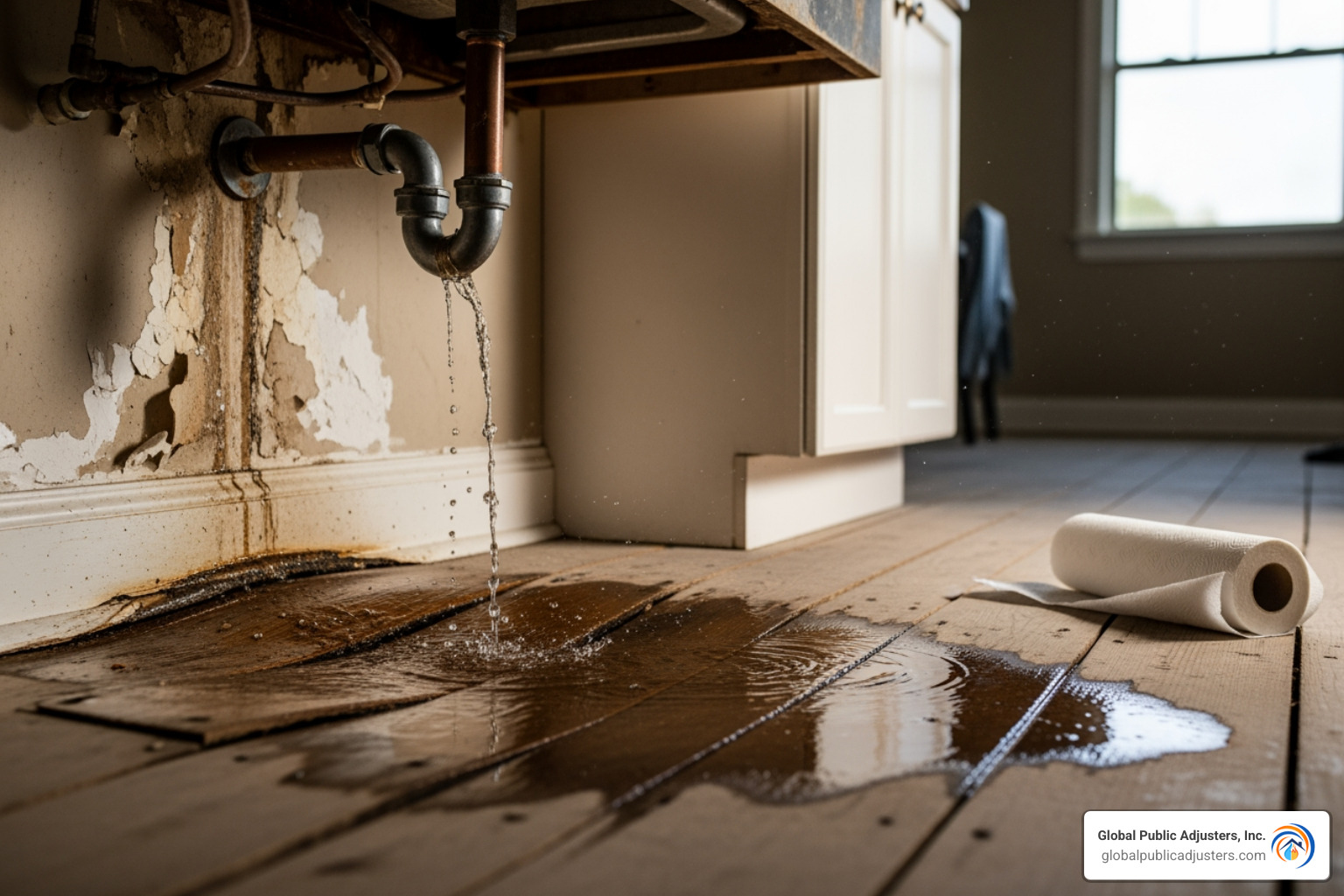
- Gradual Leaks & Seepage:That slow drip under the sink you meant to fix last year? The one that caused mold and rotted cabinets? Unfortunately, damage from gradual leaks or water seeping through foundations is generally not covered. Insurers consider these preventable and a homeowner’s responsibility to maintain.
- Poor Maintenance:If a leak or pipe burst is directly attributable to your failure to maintain your plumbing system – say, you never cleaned your gutters and they overflowed into your walls – your claim might be denied. Homeowners are expected to maintain their properties. This is why issues likeBroken Cast Iron Pipescan be tricky; if the damage is from gradual deterioration due to age, it might be excluded.
- Mold (unless from covered peril):While mold cleanup resulting from acoveredplumbing incident is often covered, mold that develops from long-term leakage or high humidity (that wasn’t a direct result of a sudden event) is usually excluded.
- Flood Damage:This is a big one! Standard homeowners insurance policiesdo notcover flood damage. We’ll dive into this distinction next.
- National Flood Insurance Program: This program, often managed by FEMA, exists precisely because standard homeowners policies exclude flood damage. If you live in a flood-prone area of Florida, separate flood insurance is essential.
Water Damage vs. Flood Damage
This is a critical distinction, especially in Florida. Many homeowners assume all water-related damage is covered under their standard policy, but that’s rarely the case.
- Water Damage:Typically refers to damage caused by water originatingwithinyour home (e.g., a burst pipe, an overflowing toilet, a leaking appliance). It’s usually covered by your homeowners insurance if it’s sudden and accidental.
- Flood Damage:Refers to damage caused by water originatingoutsideyour home, usually from natural events like heavy rainfall, overflowing rivers, storm surges, or rising lakes. This requires a separate flood insurance policy, often obtained through theNational Flood Insurance Program. Think of it this way: if the water comes from the sky or the ground and enters your home, it’s a flood. If it comes from your plumbing or appliances, it’s water damage.
The source of the water is key to determining coverage. Don’t get caught without the right protection; flood insurance is not an optional extra if you live in a high-risk area.
Additional Coverage Options to Consider
While standard policies have their limits, you can often improve your coverage with specific endorsements or riders. These are especially valuable in a state like Florida where heavy rains and older infrastructure can pose unique risks.
- Sewer Backup Endorsement:This is a must-have for many homeowners. Standard policies typically exclude damage caused by water backing up through sewers or drains. A sewer backup endorsement provides protection for damage caused by water entering your home through a backed-up sewer system, covering losses due to overflowing sewers and sewage backing up through drains.
- Overland Water Coverage:Sometimes called flood insurance, this covers damage from lake or river overflow, heavy rainfall accumulation, and rapid snowmelt that overwhelms drainage systems. It’s separate from flood insurance, but offers similar protection for ground-level water events.
- Sump Pump Failure:If your home relies on a sump pump, particularly in a basement or crawl space, an endorsement for sump pump failure can be critical. This covers damage if your sump pump stops working and water accumulates, assuming the failure wasn’t due to a lack of maintenance.
Immediate Steps to Take After Finding a Plumbing Leak
Finding a plumbing leak can be alarming, but panic won’t help. Acting quickly and systematically is crucial, not just to minimize damage but also to protect your futureplumbing leak insurance claim. Delaying action can lead to further damage, mold growth, and even a denied claim if the insurer argues you didn’t mitigate the loss.

1. Stop the Water and Secure the Area
Your absolute first priority is to stop the flow of water and prevent further damage. Every minute counts!
- Shut off Main Water Valve:Locate your home’s main water shut-off valve and turn it off immediately. This is usually near your water meter or where the main water line enters your house. Knowing where it isbeforean emergency is a superpower!
- Turn off Electricity:If water has spread near electrical outlets or appliances, turn off the power to the affected area at your circuit breaker. Safety first – water and electricity are a dangerous combination.
- Move Belongings:Quickly move furniture, rugs, electronics, and other valuables away from the water. Lift items off the floor if possible. Every item you save is one less item to claim. If you suspect aHow to Tell If a Pipe Has Burst in Your Homesituation, this step is even more critical.
2. Document Everything Thoroughly
Documentation is your best friend when filing aplumbing leak insurance claim. It provides undeniable evidence of the damage, which is vital for a fair settlement.
- Photos and Videos:Take extensive photos and videos of the leak source, the water’s path, and all damaged areas. Get wide shots of rooms and close-ups of specific damage. Don’t forget to photograph any damaged personal property. Date and time stamps are a bonus!
- Written Notes:Keep a detailed log. Note the date and time you finded the leak, when you stopped the water, who you called, and what actions you took. Describe the damage in writing.
- Damaged Items Inventory:Make a comprehensive list of all damaged personal property, including brand, model, approximate age, and estimated value. If you have receipts, even better!
- Keep Damaged Items:Do not throw away any damaged items, especially the source of the leak (e.g., the burst pipe, the faulty hose). Your adjuster will want to inspect them.
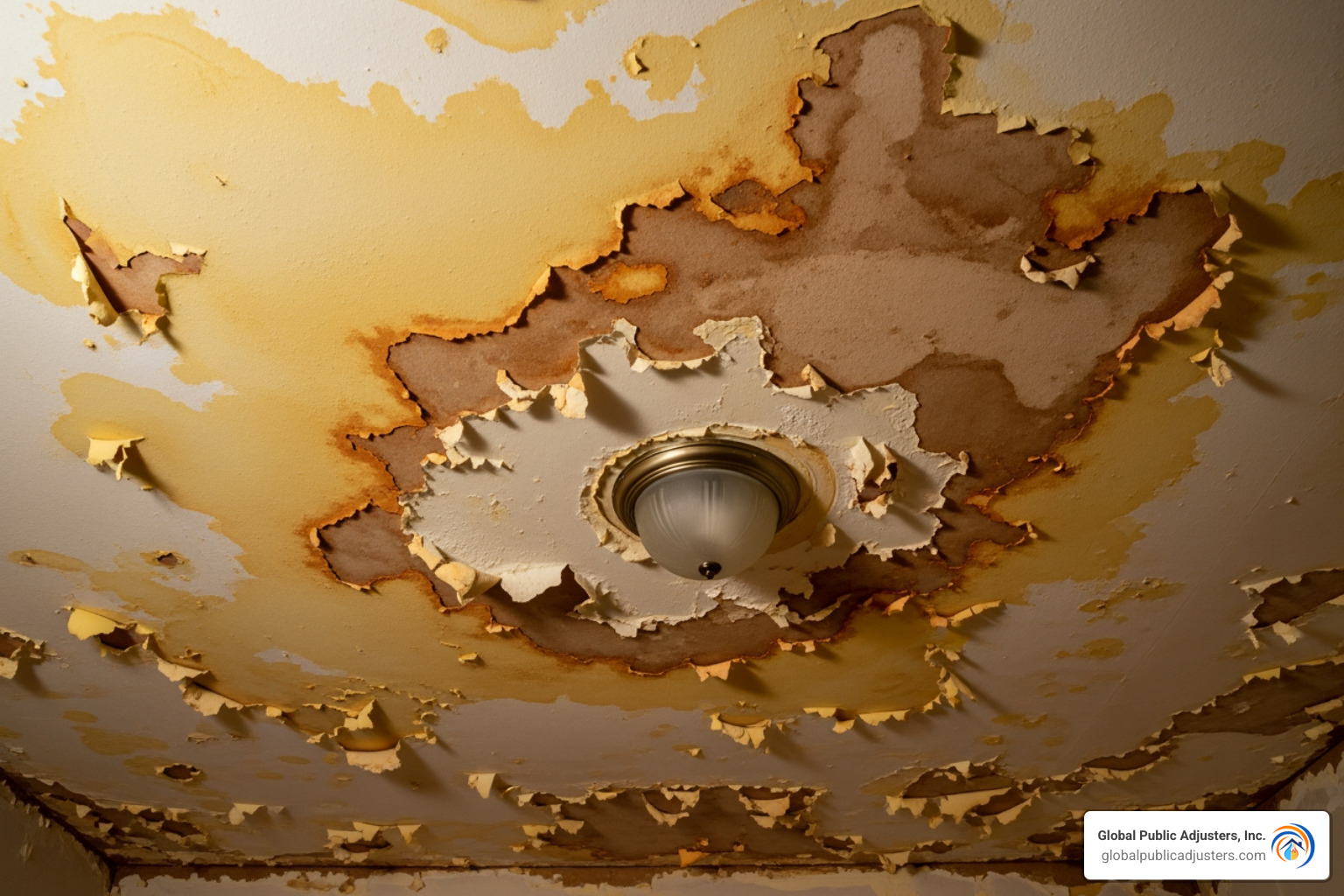
- Some Signs of Water Damage in Your Home: Document these signs too, as they show the extent of the impact.
3. Call for Professional Help
Once the water is stopped and documented, it’s time to bring in the pros.
- Emergency Plumber:For significant leaks, call a plumber immediately. They can not only fix the problem but also provide a professional report on the cause and extent of the leak, which is invaluable for your claim.Contact a Professional: For significant leaks, it’s crucial to call a plumber immediately.
- Water Restoration Service:Water damage can be insidious, seeping into walls, floors, and behind cabinets, leading to mold if not dried properly. A professional water restoration service can extract water, thoroughly dry affected areas, and prevent secondary damage. For homeowners in Florida, especially around Orlando, our team can guide you to reliableWater Restoration Services Orlando.
- Keep All Receipts:Save every single receipt related to your emergency repairs, mitigation efforts, and professional services. These are expenses you may be reimbursed for.
Navigating the Plumbing Leak Insurance Claim Process
After the initial chaos, the real work of filing yourplumbing leak insurance claimbegins. This involves understanding the claim timeline, communicating effectively with your insurer, and preparing for the adjuster’s visit. It’s a process where thoroughness pays off.
Key Documentation for Your Plumbing Leak Insurance Claim
To ensure your claim goes smoothly, be prepared with a robust file of documentation:
- Policy Number:Have your insurance policy number readily available. This will be the first thing your insurer asks for.
- Proof of Loss Form:Your insurance company may ask you to complete a “proof of loss” form. This is a formal statement detailing your loss, which helps the insurer determine its liability. Fill it out accurately and completely.
- Contractor Estimates:Obtain detailed estimates from reputable contractors for all necessary repairs, including water damage restoration, plumbing repairs, and reconstruction. These estimates should itemize costs for labor and materials.
- Repair Receipts:As mentioned, keep all receipts for emergency repairs, mitigation efforts, and any temporary living expenses if your home was uninhabitable.
- Photos and Videos:Your comprehensive visual documentation of the damage, before and after any mitigation, is crucial.
The Insurance Adjuster’s Visit
Once you’ve filed yourplumbing leak insurance claim, your insurance company will send a claims adjuster to inspect the damage.
- Scheduling the Inspection:The adjuster will contact you to schedule a visit. Try to arrange it as soon as possible.
- What the Adjuster Looks For:The adjuster will examine the source of the leak, the extent of the water damage, and verify that the damage aligns with the “sudden and accidental” criteria of your policy. They will look for signs of gradual damage or poor maintenance that could lead to an exclusion.
- Your Role During the Visit:Be present during the inspection. Walk through your home with the adjuster, pointing out all damaged areas and referring to your documentation (photos, videos, notes). Be factual and avoid speculating about the cause or admitting fault.
- Discussing the Scope of Loss:The adjuster will “scope the loss,” which means assessing the degree of damage, the quality of materials, and taking measurements to estimate repair costs. This initial scope might not be a final estimate, but it’s their basis for evaluating your claim.
Understanding Your Settlement: Replacement Cost vs. Actual Cash Value
When your claim is approved, the settlement offer will depend on your policy’s terms, specifically how it values your damaged property. There are two main methods:
| Feature | Replacement Cost Value (RCV) | Actual Cash Value (ACV) |
|---|---|---|
| Definition | Pays the cost to replace damaged property with new items of similar kind and quality. | Pays the current market value of the damaged item, factoring in depreciation (wear and tear). |
| Depreciation | Not deducted. | Deducted. |
| Initial Payout | Often a two-part payment: ACV first, then the remaining “recoverable depreciation” upon replacement. | Single payment based on depreciated value. |
| Benefit | Allows you to replace old items with new ones without out-of-pocket costs (beyond deductible). | Lower premiums, but you bear the cost difference for new replacements. |
| Example | Your 10-year-old carpet is replaced with a new one of similar quality. | Your 10-year-old carpet is paid out at its depreciated value (less than the cost of new carpet). |
Most homeowners policies offer RCV for dwelling coverage and often for personal property as well, but it’s important to verify this in your policy. With RCV, you typically receive an initial payment for the Actual Cash Value, and once you purchase the replacements, you submit receipts to receive the remaining “recoverable depreciation.”
What to Do if Your Claim is Denied or the Offer is Too Low
Receiving a claim denial or a settlement offer that feels like a slap in the face can be incredibly frustrating. It’s easy to feel defeated, but this isn’t the end of the road. Insurance companies sometimes deny claims for various reasons, and their initial offers aren’t always their final ones.
Common Pitfalls in a Plumbing Leak Insurance Claim
To avoid a denial or low offer, steer clear of these common mistakes:
- Lack of Documentation:As we’ve stressed, insufficient photos, videos, or records can make it hard to prove the extent or cause of damage.
- Admitting Fault:While you should be truthful, avoid making speculative statements or admitting fault for the leak. Stick to the facts of what happened.
- Discarding Evidence:Getting rid of the damaged pipe, appliance, or other components before the adjuster sees them can jeopardize your claim.
- Not Understanding Your Policy:If you don’t know what your policy covers and excludes, you might accept a low offer or miss an opportunity to challenge a denial.
How to Dispute a Denial or Low Settlement
If yourplumbing leak insurance claimis denied or the offer is too low, don’t just accept it. You have options:
- Request Denial in Writing:Always ask for a detailed explanation of the denial in writing, citing specific policy language.
- Provide Additional Evidence:If you have more documentation (e.g., plumber’s report, additional photos, contractor estimates that differ significantly from the adjuster’s), submit it to your insurer.
- Escalate to a Claims Manager:If you’re not getting traction with your assigned adjuster, request to speak with their manager.
- Consult an Attorney:In some cases, especially if the claim is substantial, consulting an attorney specializing in insurance claims can be beneficial.
- Consider a Public Adjuster:This is where we come in! For complex cases, a public adjuster can be your strongest advocate. They work exclusively for you, the policyholder, to negotiate with the insurance company. If you’re dealing with issues likeBroken Cast Iron Pipes—a common problem in Florida—a public adjuster can be invaluable. Read about theTop Three Benefits of Using a Public Adjuster When You Have Broken Cast Iron Pipes.
The Role of a Public Adjuster
When faced with a complexplumbing leak insurance claim, a public adjuster can be a game-changer. Unlike the insurance company’s adjuster, who works for the insurer, a public adjuster works solely foryou.
- Policyholder Advocate:We represent your best interests, not the insurance company’s. Our goal is to maximize your settlement so you can fully repair your home and replace damaged items.
- Claim Management:We handle the entire claims process, from reviewing your policy and documenting damage to negotiating with the insurer. We speak their language, ensuring no details are overlooked.
- Maximizing Settlement:Our expertise helps uncover all covered damages, even those hidden from the naked eye. We prepare comprehensive estimates and present a strong case to the insurance company, often leading to significantly higher payouts than homeowners receive on their own.
At Global Public Adjusters, Inc., we have over 50 years of experience advocating for homeowners and business owners in Orlando, FL, Pensacola, FL, and throughout Florida. We understand the nuances of water damage claims and are dedicated to ensuring you get the settlement you deserve.
Frequently Asked Questions about Plumbing Leaks and Insurance
We often hear similar questions from homeowners struggling with plumbing leaks. Let’s tackle some of the most common ones.
Can damage caused by a neighbor’s plumbing issue be claimed on my own insurance?
Ah, the classic “my neighbor’s pipe leaked intomyceiling” scenario. This is a common and often confusing situation.
- Neighbor’s Liability:If your neighbor’s negligence (e.g., they ignored a known leak) caused the damage, their homeowners insuranceshouldcover your losses. You should ask them to report the incident to their insurer.
- Your Policy Coverage:However, if your neighbor is uninsured, denies responsibility, or their insurance disputes the claim, your own homeowners insurance may step in. Your policy might cover the damage under certain circumstances, even if the leak originated elsewhere.
- Subrogation:If your insurer pays for the damage, they might then pursue your neighbor’s insurance company for reimbursement through a process called “subrogation.”
- Condo vs. Single-Family Home:In a condo or multi-unit building, the rules can be even more complex, depending on the building’s master policy and your individual condo policy. Always check your specific policy and building bylaws. It’s always wise to notify affected third parties promptly.
How does regular plumbing maintenance impact insurance coverage and premiums?
Regular maintenance is not just good for your home; it’s good for your insurance!
- Preventative Measures:Insurance companies love a proactive homeowner. Regularly inspecting your plumbing system, addressing small leaks promptly, and replacing old pipes (especially if your home hasBroken Cast Iron Pipes Orlando) can prevent major incidents. Consider re-piping if your home has old or corroded pipes.
- Reduced Risk:Good maintenance reduces your risk of a major plumbing catastrophe, which means fewer claims. This can positively impact your insurance premiums over time.
- Potential Discounts:Some insurers even offer discounts for homes with leak detection systems or smart home devices that monitor water usage and alert you to potential issues.
- Avoiding Claim Denials:As discussed, claims related to gradual damage or neglected maintenance are often denied. Regular upkeep helps prove that any damage was indeed “sudden and accidental.” Even events like a January storm causing over$95 million in insured damagecan be exacerbated by poorly maintained plumbing systems.
Will filing a plumbing leak claim increase my insurance rates?
This is a common concern, and the answer is: it might.
- Claim History:Filing a claim, especially for water damage, can flag your property as “high risk” to insurers. This could lead to an increase in your premiums at renewal time.
- Severity of Claim:A small claim that’s just over your deductible might not have a huge impact, but a large, costlyplumbing leak insurance claimis more likely to affect your rates.
- Insurer’s Policies:Different insurance companies have different underwriting guidelines. Some are more forgiving than others when it comes to claims history.
- Risk Assessment:If your home is in an area prone to water issues, or if you have a history of multiple water damage claims, insurers might see you as a higher risk.
It’s a balancing act: sometimes the cost of repairs far outweighs a potential premium increase, making filing a claim the smart financial decision. Always weigh the cost of the repair against your deductible and the potential impact on your rates.
Conclusion
Navigating aplumbing leak insurance claimcan be a daunting experience, but with the right knowledge and preparation, you can protect your home and your financial well-being. We’ve covered the crucial distinction between sudden and accidental damage versus gradual leaks, the immediate steps to take, the importance of meticulous documentation, and how to fight for a fair settlement if your claim is denied or undervalued.
Proactive home maintenance is your first line of defense, but when the unexpected happens, being prepared is paramount. Understanding your policy, acting swiftly, and documenting everything are your superpowers in the claims process.
If you find yourself facing a plumbing leak insurance claim in Orlando, Pensacola, or anywhere in Florida, and feel overwhelmed or believe your insurer isn’t offering a fair settlement, don’t go it alone. Our team at Global Public Adjusters, Inc. is here to advocate for you. For expert help with your claim, contact our team forWater Damage Claims Orlando. We work for you, ensuring you receive the maximum settlement you deserve.