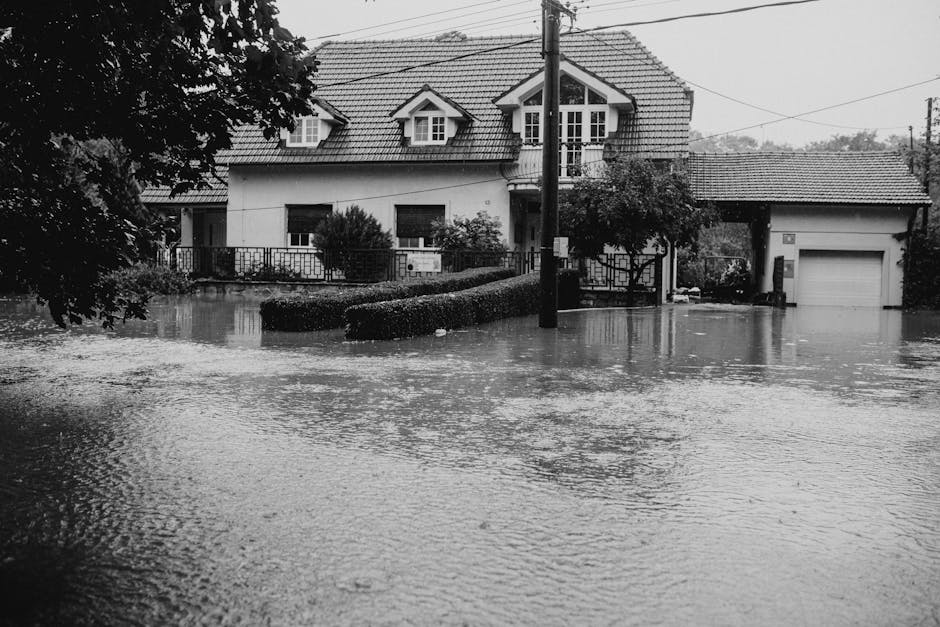
Flood Insurance Claim Florida 2025: Ultimate Guide
Why Flood Insurance is Essential in Florida
Navigating aflood insurance claim Floridacan be overwhelming. Due to its unique geography and frequent storms, Florida faces a high risk from floods, the nation’s most common natural disaster. A critical fact for every homeowner is that standard insurance policiesdo notcover flood damage, making a separate flood policy essential.
If you’re dealing with flood damage, follow these initial steps:
- Prioritize Safety & Mitigate Damage:After ensuring everyone is safe, take steps to prevent further damage, like removing standing water.
- Contact Your Insurer Immediately:Report the flood damage to your insurance company as soon as possible.
- Document All Damage Thoroughly:Take extensive photos and videos of all damaged property and create a detailed list of lost items.
- Prepare for Adjuster Visit:Organize your documentation for the insurance adjuster’s inspection.
- Submit Proof of Loss:File a “Proof of Loss” form with your insurer, usually within 60 days of the flood.
- Review Settlement & Appeal:Carefully check the settlement offer. You have the right to appeal if it seems unfair.

Florida’s extensive coastline and low elevation make it vulnerable to flooding, not just on the coast but also inland from heavy rainfall. The financial devastation can be staggering—just one inch of water can cause over $25,000 in damage. Without a dedicated flood policy, homeowners are left to cover these costs alone, which is why flood insurance is a crucial safeguard for your financial future.
The National Flood Insurance Program (NFIP)
The primary source for this protection is the National Flood Insurance Program (NFIP), managed by FEMA. The NFIP provides federally-backed insurance in communities that enforce floodplain management ordinances. In Florida, these policies are sold through private insurance companies in the Write-Your-Own (WYO) program, allowing you to work with local agents. For more information, visit theNational Flood Insurance Programwebsite.
Determining Your Property’s Flood Risk
Understanding your property’s flood risk is a key first step. FEMA’s flood maps identify Special Flood Hazard Areas (SFHAs), where flood insurance is mandatory for most mortgages. However, a significant number of flood claims occur outside these high-risk zones. Even if not required, purchasing flood insurance is a wise investment. You cancheck your flood zone on FloodSmart.govto assess your property’s vulnerability and make an informed decision.
Understanding Your Flood Insurance Options in Florida

In Florida, you have two main flood insurance options: the National Flood Insurance Program (NFIP) and the growing private market. The NFIP offers standardized, federally-backed coverage, while private insurers may provide higher limits or more flexible terms. Knowing which type of policy you have is important when filing aflood insurance claim Florida, as processes can differ.
Key Features of Flood Insurance Coverage
Flood policies offer two main coverage types:building coveragefor the structure and its systems, andcontents coveragefor personal belongings. You must purchase both for full protection.
Here are key features of a standard NFIP policy:
| Feature | NFIP Policy Details |
|---|---|
| Max Building Coverage | Up to $250,000 for single-family homes; up to $500,000 for non-residential buildings |
| Max Contents Coverage | Up to $100,000 for residential properties; up to $500,000 for businesses |
| Waiting Period | Typically 30 days before coverage begins (with some exceptions) |
| ICC Coverage | Up to $30,000 available to help bring substantially damaged homes into compliance with current floodplain management ordinances |
A valuable, often overlooked feature isIncreased Cost of Compliance (ICC) coverage. This provides up to $30,000 to help with costs like elevating or floodproofing your home if it’s substantially damaged and local codes require it. Private policies might offer higher limits but always read the fine print for different terms and exclusions.
How to Purchase a Policy and Typical Costs
You can buy flood insurance through any licensed insurance agent. The most critical factor is timing: there is typically a30-day waiting periodbefore a policy takes effect. You cannot wait until a storm is approaching to get coverage. Exceptions to the waiting period exist, such as for a new mortgage closing.
The average NFIP policy costs around$700 per yearin high-risk zones, with lower-cost options available for properties in moderate-to-low risk areas. Premiums depend on your flood zone, elevation, and chosen coverage amounts. We recommend youget a flood insurance quoteand speak with an agent about private options to compare. For more on related storm claims, see our guide onhurricane damage claims. Having the right policy in place before a disaster makes navigating aflood insurance claim Floridamuch smoother.
A Step-by-Step Guide to Your Flood Insurance Claim in Florida

Filing aflood insurance claim Floridawhile dealing with flood damage is stressful. Following a clear, structured approach can help you build the strongest possible claim.
Step 1: Immediate Actions After a Flood
Safety comes first.Do not enter a flooded building until authorities declare it safe. Once cleared, act quickly:
- Notify Your Insurer:Call your insurance company or agent to report the damage and get a claim number. This is your “Notice of Loss.”
- Mitigate Further Damage:Your policy requires you to take reasonable steps to prevent more damage. Remove standing water, open windows to dry the area, and move wet items out. Do not make permanent repairs before the adjuster’s inspection. Keep samples of damaged materials like carpet or drywall.
- Prevent Mold:Mold can grow in 24-48 hours and is generally not covered if it develops post-flood. Use fans and dehumidifiers. The EPA offers guidance onpreventing mold growth.
Step 2: Documentation for Your Flood Insurance Claim in Florida
Thorough documentation is the key to a successfulflood insurance claim Florida.
- Photo and Video Evidence:Before cleaning, take extensive photos and videos of everything. Capture wide shots and close-ups of damaged structures and belongings, including water lines on walls.
- Detailed Inventory:Create a list of every damaged or lost item with descriptions, brand/model, age, and replacement cost.
- Proof of Value:Gather any receipts, appraisals, or credit card statements to prove ownership and value.
- Contractor Estimates:Get written repair estimates from licensed contractors to support your claim’s value.
For more tips, see our article on9 Tips for Filing Hurricane Damage Claim in Florida, as many principles apply.
Step 3: Preparing for the Insurance Adjuster
The adjuster’s visit is a pivotal moment. They work for the insurer to assess the damage and estimate costs. Be prepared to protect your interests.
- Verify Credentials:Ask for the adjuster’s identification and Flood Control Number (FCN) to confirm they are authorized for NFIP claims.
- Present Your Documentation:Have your photos, inventory lists, and estimates organized and ready to share.
- Guide the Inspection:Walk through the property with the adjuster, pointing out all damage, even less obvious issues. Explain what happened in each area.
- Ask Questions:Inquire about their process, how they calculate values, and what the next steps are.
For a complete overview, review theNFIP Claims Handbook.
Step 4: Understanding the Settlement and Proof of Loss
After the inspection, you will receive a damage estimate. This is a critical stage for yourflood insurance claim Florida.
- Review the Estimate:Carefully compare the adjuster’s report to your own documentation and contractor estimates. Question any discrepancies or low valuations.
- File a Proof of Loss:This is your sworn statement of the amount you are claiming. You must file this form with supporting documents within60 days of the flood. Missing this deadline can jeopardize your entire claim. Your adjuster should provide the form, but you are responsible for its timely and accurate submission.
- Payment Timeline:Once the Proof of Loss is submitted and the amount is agreed upon, payment is typically issued in 30 to 60 days. After major disasters, this can take longer.
- Advance Payments:FEMA may authorize advance payments (up to $20,000) to help with immediate needs. These are deducted from your final settlement.
Decoding Your Policy: What’s Covered and What’s Not
Understanding your policy’s fine print is crucial for aflood insurance claim Florida. A flood policy has specific coverages and exclusions that differ from standard homeowners insurance.
Building vs. Contents Coverage
Flood insurance is split into two parts. You need both for comprehensive protection, and they have separate deductibles.
- Building Coverage:Protects the physical structure of your home, its foundation, electrical and plumbing systems, central A/C, furnaces, and permanently installed items like built-in appliances and carpeting.
- Contents Coverage:Protects your personal belongings, such as furniture, clothing, electronics, curtains, portable appliances, and washers/dryers. It also provides limited coverage (up to $2,500) for valuables like art and jewelry.
Common Exclusions in a Flood Policy
Knowing what isnotcovered is just as important. Common exclusions often surprise policyholders.

- Additional Living Expenses (ALE):Costs for temporary housing or meals if your home is uninhabitable are not covered.
- Preventable Mold Damage:Mold or mildew that could have been avoided with prompt cleanup is not covered. See EPA guidance forminimizing mold growth and spread.
- Certain Valuables:Currency, precious metals, and valuable papers like stocks and deeds are excluded.
- Property Outside the Building:Fences, pools, docks, septic systems, and landscaping are not covered. Vehicles are also excluded but may be covered by auto insurance.
- Basements and Below-Grade Areas:NFIP policies provide very limited coverage for basements. Finished walls, floors, and most personal property in these areas are not covered. Learn more aboutbasement flooding coverage limitations.
Increased Cost of Compliance (ICC) Coverage
ICC coverage is a valuable benefit that provides up to$30,000to help bring a substantially or repetitively damaged home into compliance with local floodplain ordinances. This isin additionto your building damage claim. These funds can be used for mitigation activities like elevating, floodproofing, relocating, or demolishing the structure to reduce future flood risk. ICC is a powerful tool for creating a more resilient home. For details, consult theIncreased Cost of Compliance Coverage informationon FEMA’s website.
When Your Claim is Denied or Underpaid: What to Do Next
A denial or low settlement offer for yourflood insurance claim Floridais frustrating, but it’s not the final word. You have rights and options.
Appealing a Denied Flood Insurance Claim in Florida
If your claim is denied or underpaid, you can appeal.
- Review the Denial Letter:Understand the insurer’s specific reasons for the denial.
- Contact the Insurer:Discuss the issue with the adjuster’s supervisor, providing any additional documentation to support your case.
- File a Formal Appeal with FEMA:If you can’t resolve the issue with the insurer, you can file a formal written appeal with FEMA within60 daysof the denial letter.
Be aware that under NFIP policies, you have one year from the date of a written denial to file a lawsuit. The FEMA appeal process does not extend this deadline. For more on handling denials, see our guide onWhat to Do When Your Home Insurance Claim is Denied.
The Role of FEMA Disaster Assistance
FEMA disaster assistance is only available after a Presidential Disaster Declaration and is not a substitute for flood insurance. It provides supplemental aid for essential needs, with an average payout in Florida of only about $5,100. In contrast, the average NFIP claim payment is significantly higher, averaging $68,000 between 2016 and 2021. While FEMA aid can help with temporary housing or basic repairs, it will not fully restore your property. To learn more, visitLearn about disaster assistance.
Partnering with a Public Adjuster
For a complex, denied, or underpaidflood insurance claim Florida, partnering with a public adjuster is a smart decision. Global Public Adjusters, Inc. represents homeowners, not insurance companies. With over 50 years of experience, we specialize in maximizing settlements.
We help by:
- Managing the entire claims process.
- Interpreting your policy to identify all covered losses.
- Conducting a thorough damage assessment.
- Negotiating with the insurer on your behalf to secure a fair settlement.
Our goal is to level the playing field and fight for your best interests. Learn more aboutThe Crucial Role of Public Adjusters in Flood Damage Claims Assistance in Orlando FL.
Frequently Asked Questions about Florida Flood Claims
Here are answers to common questions about aflood insurance claim Florida.
How long does it typically take to receive a flood insurance claim payment?
After you submit a signed Proof of Loss and agree on the amount with your insurer, payment is typically issued within30-60 days. The entire process can take several months, especially after a widespread disaster, though advance payments may be available sooner.
Does my standard homeowners insurance cover any type of flood damage?
No.Standard homeowners policies explicitly exclude damage from flooding.A flood is defined as an inundation of normally dry land affecting two or more properties or acres. Damage from overflowing water, rapid surface water runoff, or mudflow requires a separate flood insurance policy.
Can I receive FEMA disaster assistance if I don’t have flood insurance?
Yes, but this aid is very limited and only available if a Presidential Disaster Declaration is made. FEMA assistance is not a substitute for insurance; the average payout is only about $5,100 and is meant for essential needs, not for fully restoring your home. Flood insurance provides far more substantial financial protection for recovery.
Conclusion
Successfully navigating aflood insurance claim Floridahinges on preparation, prompt action, and meticulous documentation. Understanding your policy, knowing what your coverage includes, and following the correct claims procedure are your best first lines of defense. However, when faced with a complex, underpaid, or denied claim, the process can become a battle. An experienced public adjuster from a firm like Global Public Adjusters, Inc. can level the playing field, advocating on your behalf to ensure you receive the maximum settlement you are entitled to. Don’t leave your financial recovery to chance.
If you find yourself in a dispute with your insurer or believe yourflood insurance claim Floridahas been unfairly handled, we are here to help. Contact us to discuss your options and learn how we can assist in securing the settlement you deserve.
How to Reverse a Denied Property Claim by Working with a Public Adjuster