Fast Relief: Getting Professional Water Out of Your Basement
The Shock of a Flooded Basement
Abasement water removal serviceis a professional emergency response that extracts standing water, dries your property completely, and helps prevent structural damage and mold growth after flooding. Most services arrive within 1-2 hours and complete the drying process in 3-5 days.
What to expect from a basement water removal service:
- Emergency water extraction– Industrial pumps remove standing water immediately
- Complete structural drying– Commercial dehumidifiers and air movers dry walls, floors, and belongings
- Moisture monitoring– Technicians use specialized equipment to ensure all hidden water is removed
- Sanitization– Cleaning and deodorizing to prevent mold and eliminate contaminants
- Damage documentation– Photos and reports for your insurance claim
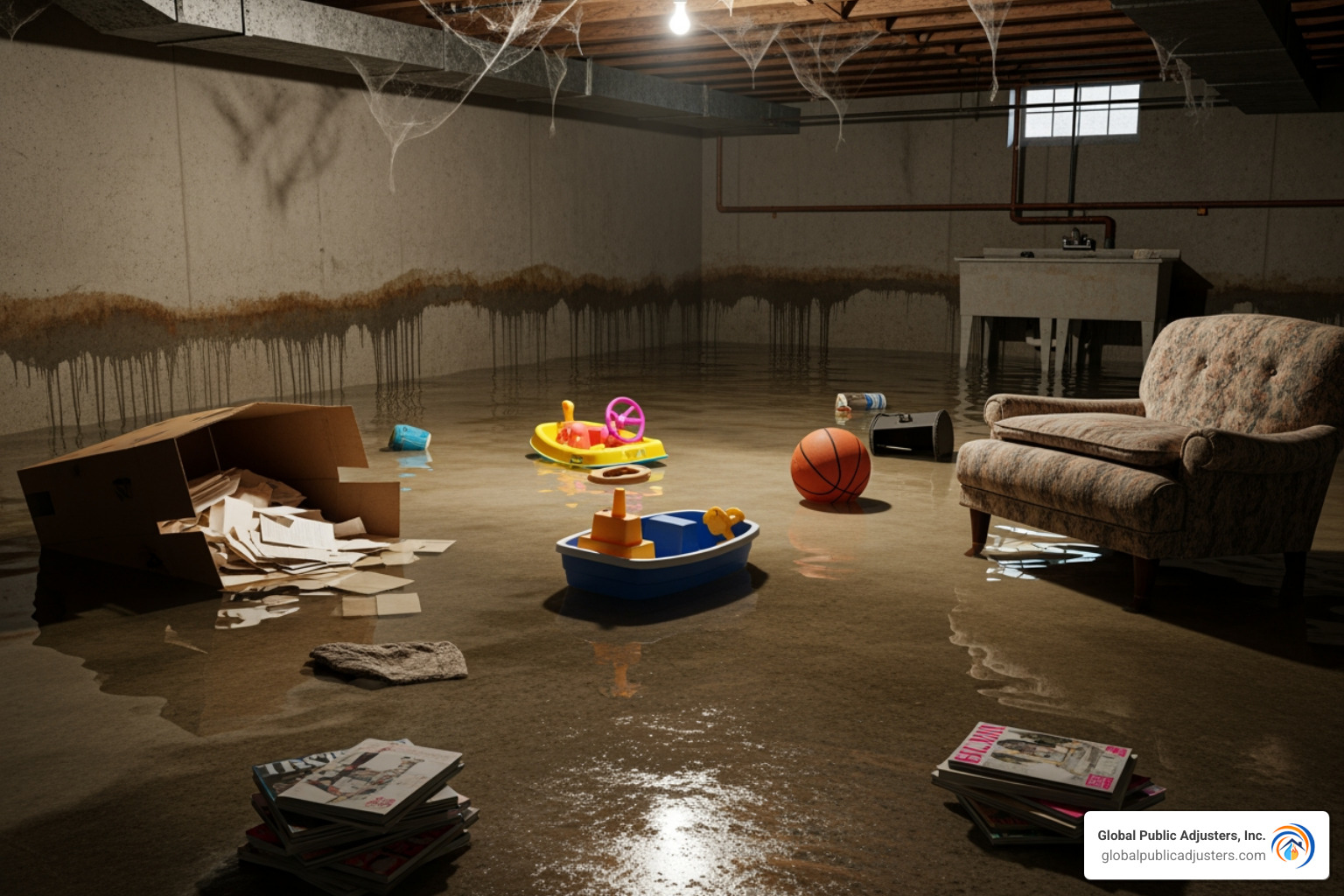
Coming down your basement steps to find a pool of murky water is one of the worst moments a homeowner can experience. It’s not just about the immediate mess—it’s about everything that comes after.
The stakes are high.Water damage impacts 98% of basements in the U.S. during their lifespan. And the clock starts ticking immediately. Mold can begin growing within 24-48 hours of water exposure.
Beyond the water you can see, there’s hidden damage seeping into your foundation, warping your wooden framing, and creating health hazards you can’t detect without professional equipment. Contaminated water from sewage or groundwater poses serious risks to your family’s health.
This guide walks you through the entire process—from those critical first minutes after finding a flood to working with your insurance company to maximize your claim. You’ll learn when DIY efforts make sense, when to call professionals immediately, and how to protect both your home and your financial recovery.

Quickbasement water removal serviceterms:
First Response: Your Immediate Steps for a Flooded Basement
When you find water in your basement, the first few hours are absolutely crucial. What you do in this immediate aftermath can significantly impact the extent of damage and the success of your restoration efforts. Our top priority is always safety, followed by containing the damage.
Safety First
Before you do anything else, prioritize safety. A flooded basement can be a hazardous environment.
- Electrical Hazards:Water and electricity are a dangerous combination. If there’s standing water, do not step into it. The most important thing is to turn off the circuit breakers for the basement or other wet areasif it is safe to do so. If your circuit breaker isn’t in the basement, or if there’s any doubt about electrical safety, call your electrician immediately. Floodwater can be contaminated and make you sick, and standing water poses an electrocution risk due to energized electrical outlets and appliances.
- Shutting Off the Water Source:Once electrical safety is ensured, try to identify the source of the water. If it’s a burst pipe or a leaking appliance, shut off the main water supply to your home. This can prevent further water from entering your basement.
If the water is from a sewer backup, avoid direct contact and call a professional water removal service immediately, as it contains harmful contaminants.
Documenting the Damage for Insurance
As soon as it’s safe, and before any cleanup begins, start documenting the damage thoroughly. This step is vital for your insurance claim.
- Taking Photos and Videos:Use your phone or camera to take extensive photos and videos of the flooded area, the water source (if identifiable), and all damaged belongings. Capture wide shots of the entire space, as well as close-ups of specific items. The more evidence you have, the better. This documentation will be invaluable when we help you steer your insurance claim.
- Protecting Belongings:If possible and safe, move valuable items, electronics, and important documents to a dry area. For items that are already wet, separate them from dry items to prevent further damage. While we can help you withsome signs of water damage in your home, knowing what’s been affected is important for your records.
When to Call a Professional
While you can take initial steps, extensive basement flooding almost always requires professional intervention. If the water is more than a few inches deep, if it’s contaminated, or if you suspect structural damage or hidden moisture, it’s time to call in the experts. Professionals have the specialized equipment and training to safely and effectively remove water, dry the area, and prevent secondary damage like mold.
Common Causes of Basement Flooding
Understanding why basements flood can help you prevent future occurrences. In Florida, we see a range of issues that lead to unwanted water in basements.
- Heavy Rainfall and Poor Drainage:This is a common culprit. Excessive rain can overwhelm drainage systems, leading to water seepage through cracks or foundation walls. If your yard doesn’t slope away from your home, water can pool around the foundation.
- Sump Pump Failure:Sump pumps are designed to remove water that collects in a sump basin, keeping your basement dry. A faulty sump pump, or one that loses power during a storm, can lead to significant flooding.
- Foundation Cracks:Over time, foundations can develop cracks due to shifting soil or hydrostatic pressure (the pressure exerted by water in the soil against your foundation). These cracks act as direct entry points for water.
- Broken Cast Iron Pipes:Older homes, common in parts of Florida, may haveBroken Cast Iron Pipesthat are prone to corrosion and bursting, leading to internal flooding. This can be a major source of water damage.
- Sewer Backups:Heavy rains can sometimes overwhelm municipal sewer systems, causing sewage to back up into homes through drains and toilets. This is particularly hazardous due to the contaminants in the water.
- Water Heater Leaks:A malfunctioning or oldWater Heater Leakcan release gallons of water into your basement or garage, quickly causing significant damage.
- Appliance Malfunctions:Leaks from washing machines, dishwashers, or refrigerators can also contribute to basement flooding, especially if they are located in or near the basement.
- Hydrostatic Pressure:This occurs when the water table around your basement rises, creating pressure against your basement walls and floor. This pressure can force water through cracks or even through seemingly solid concrete.
Safety Risks You Can’t Ignore
Beyond the immediate mess, basement flooding presents several serious risks that demand attention. Ignoring these can lead to long-term problems or immediate danger.
- Electrical Shock:As mentioned, standing water creates a severe electrocution risk. Never enter a flooded basement until the power is confirmed to be off.
- Contaminated Water (Gray/Black Water):Not all water is “clean.”
- Gray watercomes from sources like washing machines or dishwashers. While not immediately life-threatening, it can contain chemical contaminants.
- Black wateris highly unsanitary. This includes sewage backup or floodwater from rivers/oceans, which contains disease-causing bacteria, viruses, and fungi. Direct contact with black water can make you seriously ill.
- Structural Integrity Risks:Water can cause unseen structural problems. Prolonged exposure can weaken cement foundations, swell and warp wooden framing timbers, and compromise the integrity of walls and floors. This is howHow can water damage my home?in ways that aren’t immediately obvious.
- Slipping Hazards:Water-soaked floors and debris create a very real risk of slips and falls, which can lead to injuries.
The Professional Basement Water Removal Service Process
When you’re facing a flooded basement, a professionalbasement water removal serviceis your best ally. These experts follow a structured, multi-step process to ensure your property is not just dry, but safe and fully restored.

Initial Assessment and Damage Categorization
The first step for any professional team is a thorough assessment. We’ll evaluate the extent of the water damage, identify the source, and categorize the type of water involved.
- Damage Categorization:Water is classified into three categories based on its contamination level:
- Category 1 (Clean Water):From burst pipes, overflowing sinks, or appliance leaks. Poses no immediate threat.
- Category 2 (Gray Water):From washing machines, dishwashers, or toilet overflows (with urine only). Contains contaminants that can cause illness if ingested.
- Category 3 (Black Water):From sewage backups, river floods, or any water that has been stagnant for too long. Highly contaminated and dangerous. This categorization is crucial because it dictates the appropriate safety protocols and cleaning methods.
Water Extraction
This is where the bulk of the water is removed from your basement. Time is of the essence here, as rapid extraction minimizes further absorption into materials.
- Industrial-Grade Pumps:For large volumes of standing water, powerful submersible pumps are deployed to quickly remove thousands of gallons of water.
- Wet/Dry Vacuums:Once the bulk of the water is gone, industrial-grade wet/dry vacuums are used to extract remaining water from carpets, subfloors, and other surfaces.
Drying and Dehumidification
After water extraction, the focus shifts to thoroughly drying the affected area and preventing secondary damage. This is a critical phase where specialized equipment plays a vital role.
- Air Movers:High-velocity air movers are strategically placed to create airflow across wet surfaces, accelerating evaporation.
- Dehumidifiers:Commercial-grade dehumidifiers extract moisture from the air, preventing it from re-settling on surfaces and materials. This is crucial for reducing the humidity levels that mold thrives in.
- Monitoring Moisture Levels:Technicians use moisture meters and hygrometers to continuously monitor the moisture content in walls, floors, and other structural components. This ensures that every hidden pocket of moisture is identified and dried, preventing long-term issues like mold growth and structural weakening.
Specialized Equipment and Techniques
A professionalbasement water removal serviceemploys a range of advanced tools and techniques that go beyond what a homeowner can typically access.
- Infrared Cameras for Hidden Moisture:These cameras detect temperature differences caused by moisture, allowing technicians to pinpoint hidden water pockets behind walls, under floors, and within structural elements that might otherwise go unnoticed.
- High-Velocity Air Movers:These aren’t your average fans. They generate powerful airflow to quickly evaporate moisture from surfaces.
- Commercial-Grade Dehumidifiers:Much more powerful than residential units, these machines efficiently remove large quantities of moisture from the air, bringing humidity levels down to safe ranges.
- Moisture Meters:Handheld devices used to measure the moisture content in various materials like wood, drywall, and concrete, ensuring comprehensive drying.
- Sanitizing and Deodorizing Agents:Especially important for gray or black water incidents, these professional-grade solutions clean, disinfect, and neutralize odors, making the environment safe and pleasant again. We understandsome different types of water damagerequire different approaches to sanitation.
The Full Scope of a Basement Water Removal Service
A truly comprehensivebasement water removal serviceextends beyond just getting rid of the water. It encompasses a full restoration to bring your property back to its pre-damage condition.
- Water Extraction:As detailed above, this is the initial and most urgent step.
- Drying and Dehumidification:Ensuring all moisture, visible and hidden, is removed.
- Cleaning and Sanitizing:Thorough cleaning of all affected surfaces, often with antimicrobial treatments to prevent mold and bacterial growth.
- Debris Removal:Disposing of unsalvageable items and materials, like heavily saturated carpets or crumbling drywall.
- Restoration and Repairs:This can include minor repairs like drywall replacement, painting, and flooring repair, or coordinating with contractors for more extensive structural work. Our goal is to ensure your home is fully restored. For comprehensiveWater Restoration Services Orlando, we work with trusted professionals to manage this process.
The Aftermath: Dealing with Damage, Mold, and Insurance Claims
Once the immediate water threat is managed, the real work of recovery begins. This phase involves addressing the long-term consequences of water damage and navigating the often-complex world of insurance claims.

Long-Term Risks: Structural Damage Assessment
Water can be surprisingly destructive, and its effects can linger long after the puddles are gone.
- Warped Wood:Wooden structures like floor joists, framing, and subflooring can warp, buckle, or rot when exposed to prolonged moisture. This can compromise the structural integrity of your home.
- Crumbling Drywall:Water-saturated drywall loses its structural integrity, becoming soft, crumbly, and susceptible to mold.
- Foundation Issues:Water seeping into the foundation can lead to cracks, hydrostatic pressure buildup, and even long-term instability. This is a critical concern, as foundation damage can be extremely costly to repair.
- The Threat of Mold Growth:This is perhaps the most insidious threat. Mold thrives in damp, dark environments, and a flooded basement provides the perfect breeding ground. Even if the water is removed, residual moisture can lead to mold proliferation.
- Musty Odors:A persistent musty smell is a strong indicator of mold or mildew growth, even if you can’t see it. This odor often signals hidden moisture problems that require professional investigation.
Mold Growth: A Ticking Clock
The statistics are stark: mold can begin growing within 24-48 hours of water damage. FEMA states thatmold can grow on a damp surface after just 24 to 48 hours. This rapid growth means that prompt drying and remediation are not just about convenience, but about health and safety.
- Health Risks of Mold:Mold spores can cause a range of health issues, including allergic reactions, respiratory problems, skin irritation, and worsening of asthma symptoms. Black mold, in particular, is highly toxic and requires specialized handling.
- Signs of Mold:Beyond a musty odor, look for visible fuzzy or discolored patches on walls, ceilings, floors, or belongings. Mold can appear in various colors, including black, green, white, or orange.
- Professional Mold Remediation Process:If mold is suspected or identified, professional mold remediation is essential. This typically involves:
- Containment:Isolating the affected area to prevent spores from spreading.
- Air Filtration:Using HEPA air scrubbers to capture airborne mold spores.
- Removal of Contaminated Materials:Safely removing and disposing of porous materials like drywall, insulation, and carpeting that are heavily affected.
- Cleaning and Disinfecting:Cleaning non-porous surfaces with antimicrobial agents.
- Drying:Ensuring the area is completely dry to prevent recurrence.
- Restoration:Repairing or replacing removed materials.
- Importance of Complete Drying:The most effective way to prevent mold is thorough drying. If moisture remains, mold will eventually return. This is why professional moisture monitoring and industrial-grade dehumidification are non-negotiable.
Navigating Your Water Damage Insurance Claim
Dealing with a flooded basement is stressful enough without the added burden of an insurance claim. This is where our expertise at Global Public Adjusters, Inc. becomes invaluable, especially for our clients in Orlando and throughout Florida.
- Understanding Your Policy:Insurance policies can be complex. We help you decipher the fine print to understand what your homeowners or flood insurance policy actually covers. Many policies differentiate between “flood damage” (typically from natural disasters like overflowing rivers or storm surges) and “water damage” (from internal sources like burst pipes or appliance leaks).
- Differentiating Flood vs. Water Damage:This distinction is critical. Standard homeowners’ insurance often covers sudden and accidental water damage from within your home but typically excludes damage from natural floods. Separate flood insurance (often through the National Flood Insurance Program, NFIP) is usually required for flood events. We can help you determine the correct claim type.
- Documenting Everything:Remember those photos and videos you took? They are vital evidence. We will help you compile all necessary documentation, including detailed lists of damaged items, repair estimates, and any receipts for emergency expenses.
- The Complexity of Claims:Insurance companies have their own adjusters who work for them. Their goal is to minimize payouts. Our role as public adjusters is to work solely foryou, ensuring your claim is fairly evaluated and you receive the maximum settlement you’re entitled to.
- The crucial role of public adjusters in flood damage claims assistance in Orlando, FL:We are your advocates. We handle all communication with the insurance company, review your policy, accurately assess your damages, and negotiate on your behalf. This significantly reduces your stress and improves your chances of a fair outcome. For more on this, visitThe crucial role of public adjusters in flood damage claims assistance in Orlando, FL.
- Working with Adjusters:We prepare and present your claim professionally, counter any lowball offers, and ensure all aspects of your damage are considered. For help with yourWater Damage Claims Orlando, we are here to support you every step of the way.
Proactive Measures: How to Prevent Future Basement Flooding
An ounce of prevention is worth a pound of cure, especially when it comes to basement flooding. Taking proactive steps can save you immense stress, damage, and expense in the long run.
Here are key preventative measures homeowners in Florida should consider:
- Sump Pump Installation and Maintenance:If you have a basement, a sump pump is your first line of defense against groundwater and heavy rain. Ensure it’s correctly installed and regularly maintained. Test it periodically, especially before hurricane season. Consider installing a battery-operated or water-powered backup sump pump for protection during power outages.
- Improving Yard Grading:Your landscaping should slope away from your home’s foundation. If water pools near your house, it will eventually find a way into your basement. Regrading your yard can redirect surface water effectively.
- Cleaning Gutters and Downspouts:Clogged gutters cause rainwater to overflow and pool around your foundation. Regularly clean your gutters and ensure downspouts extend several feet away from your home, directing water away from the basement.
- Sealing Foundation Cracks:Regularly inspect your foundation and basement walls for any cracks. Even hairline cracks can allow water to seep in. Seal them promptly with appropriate waterproof materials.
- Installing Backwater Valves:For homes susceptible to sewer backups, especially during heavy rainfall, a backwater valve can prevent sewage from flowing back into your home through drains.
- Regular Plumbing Inspections:Periodically inspect your home’s plumbing, including pipes, water heaters, and appliances, for leaks or potential issues. Catching a small leak early can prevent a major flood. For example, knowingHow to tell if a pipe has burst in your homecan save you from extensive damage.
Frequently Asked Questions about Basement Water Removal
We often hear similar questions from homeowners dealing with water in their basements. Here are some of the most common ones:
How long does it take to dry a flooded basement?
The average drying situation for a flooded basement takes approximately 3-5 days. However, this is just an average, and the actual timeline can vary significantly based on several factors:
- Severity of Damage:A few inches of standing water will dry faster than a basement submerged up to the ceiling.
- Size of Basement:Larger basements naturally take longer to dry completely.
- Type of Materials Affected:Porous materials like drywall, carpet, and insulation absorb more water and take longer to release it than non-porous surfaces like concrete or tile.
- Humidity Levels:Ambient humidity plays a big role. Professionals use commercial dehumidifiers to control this.
- Water Category:If the water was contaminated (gray or black water), additional sanitation and material removal steps might extend the drying time.
Professionalbasement water removal servicetechnicians continuously monitor moisture levels to ensure thorough drying and prevent mold.
Is it safe to stay in my house with a flooded basement?
It may not be safe to stay in your home if the basement is flooded, especially in the immediate aftermath. Your safety should always be the top priority.
- Safety Assessment:First, ensure the electricity is safely turned off in the affected areas. If there’s any doubt, evacuate and call a professional.
- Contamination Risks:If the floodwater is from a sewer backup, groundwater seepage, or has been standing for an extended period, it could be highly contaminated. This “black water” contains harmful bacteria, viruses, and other pathogens that can cause serious illness. Even “gray water” from appliances can contain chemical contaminants.
- Electrocution Risk:Standing water combined with electrical outlets, cords, or appliances creates a severe risk of electrocution.
- When to Evacuate:If the water is contaminated, if the power cannot be safely turned off, or if you notice any signs of structural instability (like bulging walls or ceilings), it is best to evacuate your home until professionals have deemed it safe. Remember totake these steps in the first 24 hours if you find water in your basementto protect yourself and your property.
How much does a professional basement water removal service cost?
The cost of a professionalbasement water removal servicevaries widely because each water damage incident is unique. There’s no one-size-fits-all price, but here are the key variables that influence the cost:
- Extent of Water Damage:The volume of water, how long it has been present, and how many areas/rooms are affected are primary cost drivers. More water and more affected square footage mean more work and equipment.
- Type of Water (Clean, Gray, Black):Category 3 (black water) incidents are the most expensive to remediate due to the hazardous nature of contaminants. They require specialized cleaning, sanitization protocols, and often the removal of more porous materials. Category 1 (clean water) is generally the least costly.
- Equipment Needed:The number of industrial pumps, air movers, dehumidifiers, and specialized tools (like infrared cameras for hidden moisture) required will impact the price.
- Restoration Required:If structural elements like drywall, flooring, or insulation need to be removed, replaced, or repaired, this will add to the overall cost. Mold remediation, if necessary, is also a significant factor.
- Emergency vs. Scheduled Service:Emergency services, especially outside of normal business hours, might incur higher rates.
It’s important to get a detailed estimate from the professional service provider. While cost is a factor, prompt and thorough professional remediation can save you from far more expensive repairs and health issues down the line, especially concerning mold and structural integrity.
Conclusion: From Water Removal to Full Recovery
Finding a flooded basement is a challenging experience, but with the right knowledge and professional support, you can steer the crisis effectively. The key takeaways are clear: act fast, prioritize safety, and don’t underestimate the potential for hidden damage or mold growth.
Your recovery is a two-part process: effective water removal and successful insurance claim management. While professionalbasement water removal serviceexperts handle the physical restoration of your property, we at Global Public Adjusters, Inc. are here to handle the financial recovery.
For help maximizing your settlement and ensuring a fair process for yourFlood Damage Claims Orlandoor water damage claims across Florida, the experts at Global Public Adjusters, Inc. can manage your claim from start to finish. We work tirelessly on your behalf, advocating for your rights and ensuring you receive the compensation you deserve to restore your home and your peace of mind.
Don’t face the insurance company alone.Contact us for help with your water restoration claim in Orlandoor Pensacola today, and let us put our over 50 years of experience to work for you.