Insurance for water damage: Don’t Get Soaked in 2026!
Why Understanding Insurance for Water Damage Matters for Florida Property Owners
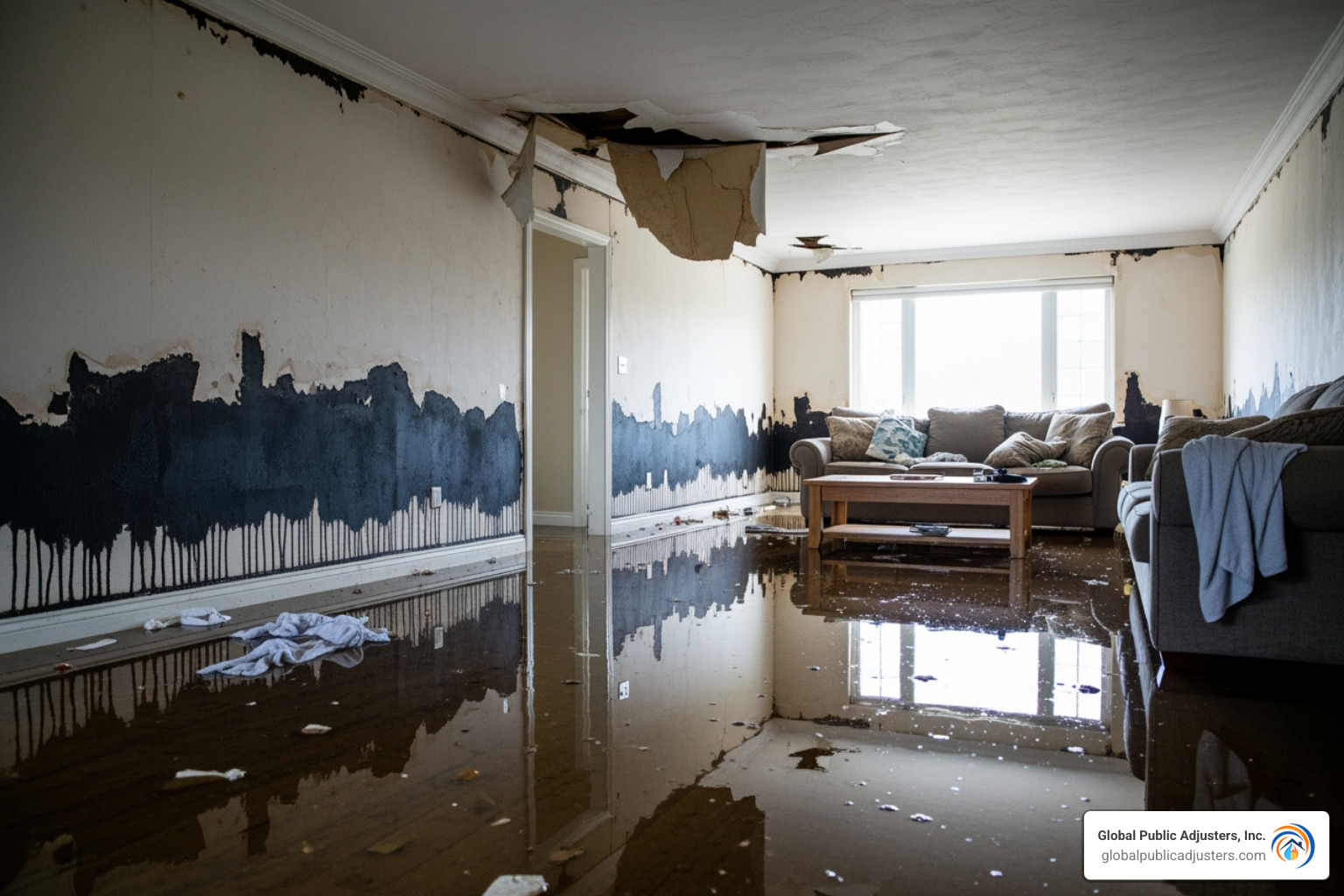
Insurance for water damageis one of the most confusing aspects of homeowners policies—and one of the most critical to understand. Between 2017 and 2021, water damage was the third-leading cause of homeowners insurance claims, with an average cost of $12,514 per claim. That number jumped to $13,954 between 2018 and 2022. In fact, about one in 60 insured homes files a water damage claim each year.
Here’s what you need to know about insurance for water damage coverage:
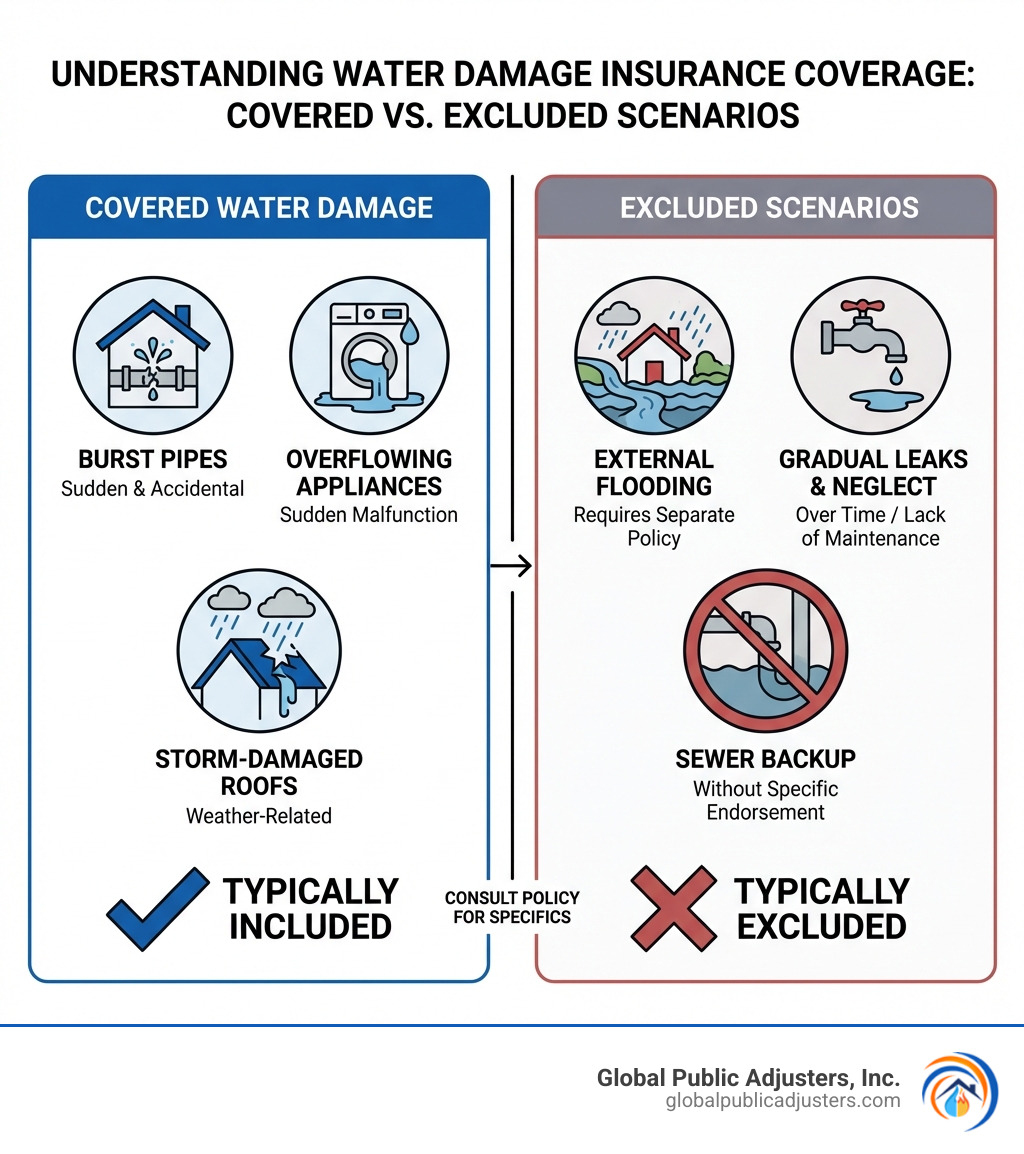
- Covered:Sudden and accidental damage (burst pipes, appliance overflows, storm-damaged roofs)
- Not Covered:Gradual damage, neglect, flooding, sewer backup (without endorsement)
- Flood vs. Water Damage:Standard policies coverinternalwater damage but excludeexternalflooding—you need separate flood insurance
- Mold:Only covered if it results from a covered water damage event (mold can start growing 24-48 hours after water exposure)
- Key Action:Document everything immediately and contact your insurer within 24-48 hours
You come home from vacation to find a small pond has materialized in your basement. Your first reaction? Panic. Your second:How do I get my insurance to cover this?
The truth is, whether your insurance covers water damage depends onwhere the water came fromandhow it got there. A burst pipe inside your wall? Usually covered. Water seeping through your foundation over months? Probably not. A river flooding into your home? Definitely not—unless you have separate flood insurance.
Understanding these distinctions can mean the difference between a check that covers your repairs and a denied claim that leaves you paying out of pocket. This guide will walk you through exactly what your policy covers, what it doesn’t, and what steps to take when water damage strikes your property.
What’s Covered vs. What’s Excluded in a Standard Policy
Navigating the complexities ofinsurance for water damagecan feel like wading through murky waters. The core principle often comes down to whether the damage was “sudden and accidental” or a result of gradual issues or neglect. Let’s explore what’s typically covered and what usually isn’t.
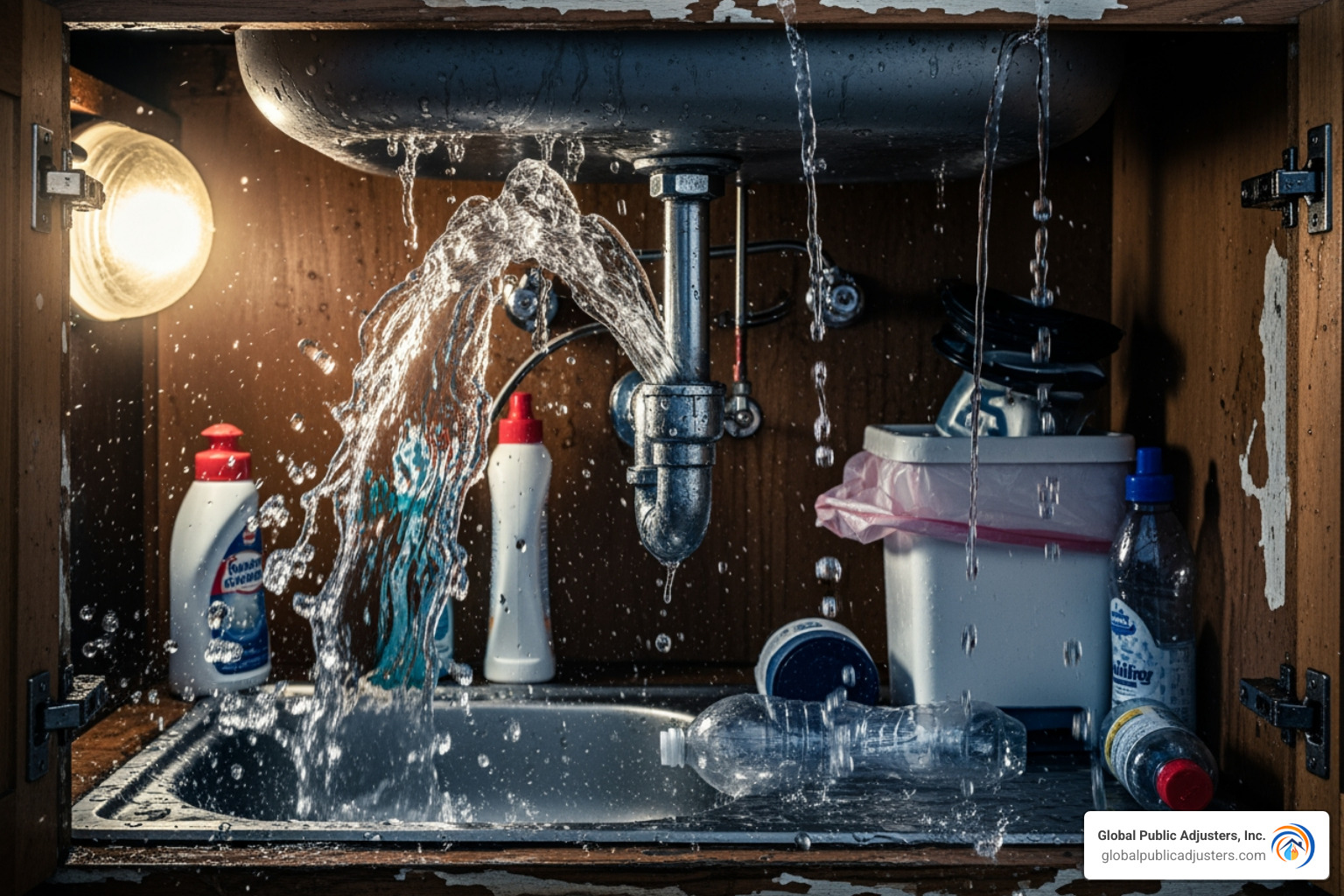
Covered Water Damage: The “Sudden and Accidental” Rule
Homeowners insurance typically covers water damage that issudden and accidental. This means the event was unexpected and not the result of poor maintenance. If it happened out of the blue, your policy is likely to step in.
Common covered scenarios include:
- Burst Pipes:A sudden rupture in your plumbing from freezing or random failure. The resulting water damage to your home and belongings is typically covered.
- Appliance Malfunction:When a washing machine hose bursts or a dishwasher overflows, the resulting water damage is often covered. The cost to repair the appliance itself is usually not.
- Overflowing Toilets:Damage from a toilet overflowing due to a sudden mechanical failure is typically covered. However, an overflow from a neglected clog may be excluded. For help with these claims, see ourBathroom Damage Services in Orlando.
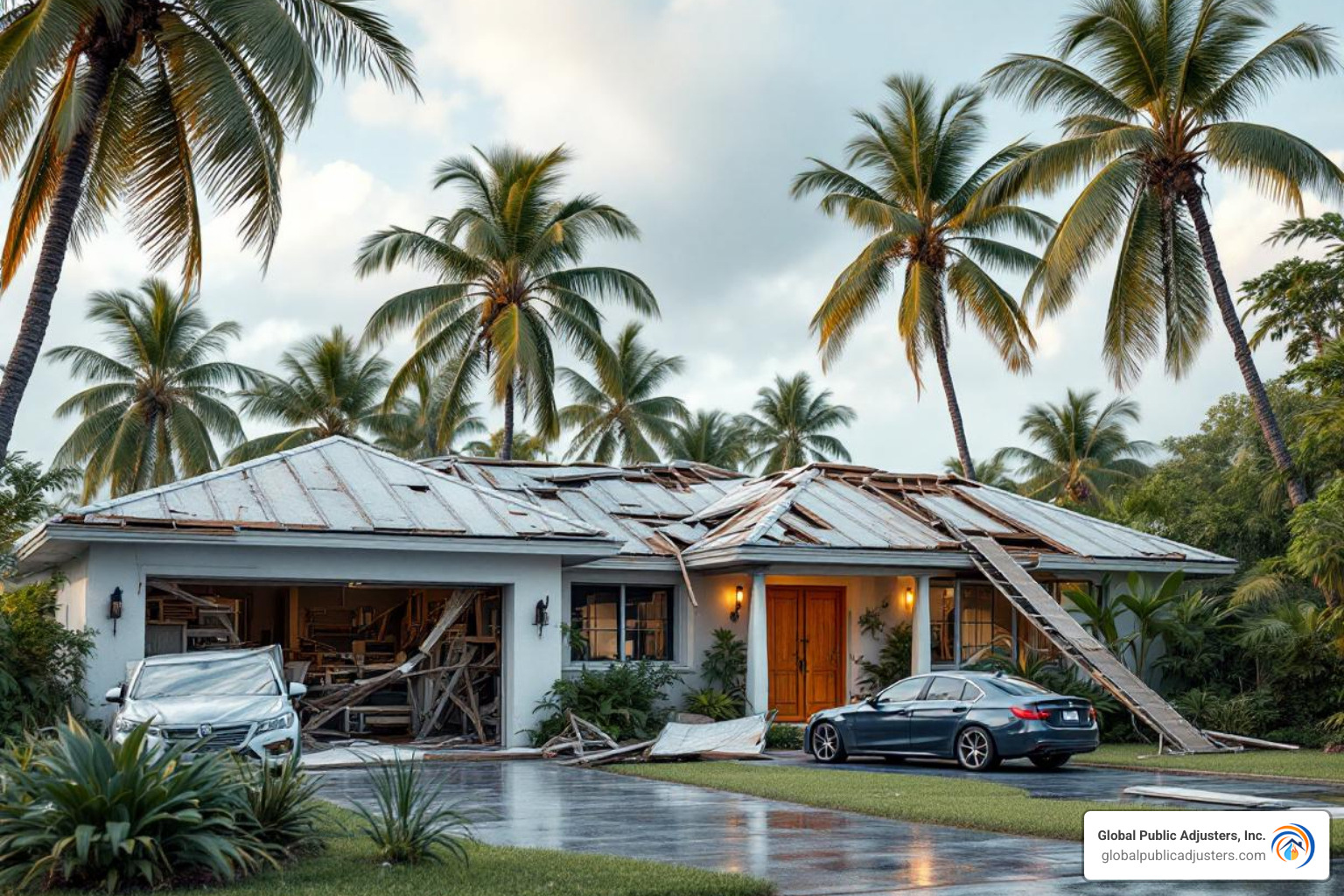
- Leaking Roof from Storm Damage:If a storm damages your roof, allowing rain to pour in, the interior water damage is usually covered. This does not apply if the roof was already in disrepair.
- Water from Extinguishing Fires:Damage caused by water used by firefighters is generally covered as a direct consequence of a covered peril (fire).
- Vandalism:If someone intentionally damages your plumbing, causing a leak, it is typically covered.
These events are what your policy is designed for. While the water damage is covered, the source of the water (e.g., the faulty appliance) is usually not. If you’ve experienced water damage in your kitchen, our team can help withKitchen Damage Restoration Orlandoclaims.
Common Exclusions: What Your Policy Won’t Cover
Understanding what your policywon’tcover is just as important. These exclusions are common reasons for claim denials.
- Gradual Damage:Policies don’t cover damage that occurs slowly over time, such as from hidden leaks, deteriorating plumbing, or foundation seepage. If a pipe leaks for months, the resulting rot and mold may be denied as a maintenance issue. Issues likeBroken Cast Iron Pipes Orlandocan cause gradual damage if not addressed.
- Negligence and Lack of Maintenance:If you fail to maintain your home, your claim could be denied. For example, not fixing a known leaky faucet that later causes major damage could be considered negligence.
- Wear and Tear:Policies are for sudden events, not the inevitable breakdown of materials. An old, rusted water heater that leaks would not be covered, though the resulting water damage might be if the leak was sudden.
- Seepage Through Foundation:Water seeping through foundation cracks is usually not covered, as it’s considered a gradual or construction-related issue.
- Sewer Backup:Standard policies exclude damage from sewer backups, drain overflows, or sump pump failures. You can purchase a separate endorsement for this risk, which is highly recommended in Florida due to heavy rainfall.
Knowing these exclusions highlights the need for regular home maintenance and considering extra coverage for specific risks.
The Special Case of Mold Damage
Mold is a common consequence of water damage, especially in Florida’s humid climate. Whetherinsurance for water damagecovers mold is nuanced.
Generally, mold damage is coveredonly if it results from a covered peril. For example, if a burst pipe leads to mold, the remediation may be covered. If mold grows from a slow, gradual leak, it is typically excluded.
Timing is critical, as mold can grow within24-48 hoursof water exposure. Immediate action is key to preventing mold growth and potential coverage issues.
Even when covered, policies often have limitations:
- Policy Limits:Many policies have a sub-limit for mold remediation, often between $1,000 and $10,000, which may not cover the full cost.
- Separate Claims:Mold finded long after the initial water damage might be treated as a separate claim with another deductible.
If you suspect mold, act fast. LearnHow to Tell if You Have Mold Damage in Your Homeand understandWhy Hire a Public Adjuster for Mold Damage?. TheFEMA mold prevention guidealso offers helpful prevention tips.
The Critical Difference: Water Damage vs. Flood Damage
In insurance, “water damage” and “flood damage” are not interchangeable terms. Understanding this distinction is perhaps the most critical piece of the puzzle when it comes to protecting your Florida property.
Defining Water Damage vs. Flood Damage for Insurance
The key differentiator for insurance is thesourceof the water.
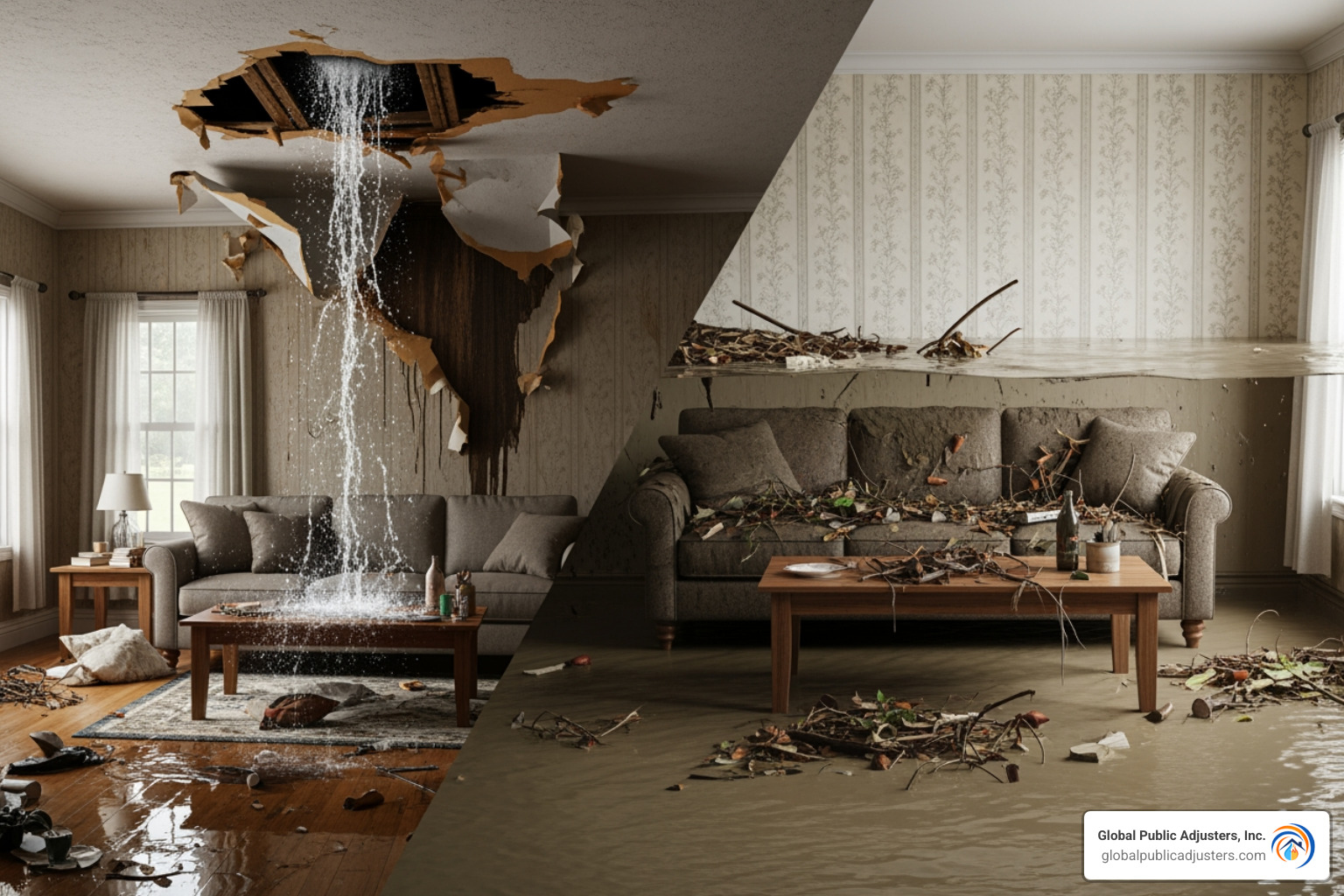
Water Damage (Internal Source):This is damage from water originatinginsideyour home or entering through a storm-created opening. Examples include burst pipes, overflowing appliances, or rain entering through a damaged roof. This is generally covered by standard homeownersinsurance for water damage. ExploreSome Different Types of Water Damagefor more examples.
Flood Damage (External Source):This is damage from water that originatesoutsideand enters from the ground up. Examples include overflowing rivers, storm surges, or widespread standing water from heavy rain. This is almost alwaysexcludedfrom standard homeowners policies.
Simply put: if your toilet overflows, it’s water damage. If a river overflows into your home, it’s flood damage. This distinction is critical for Florida property owners.
Why You Need to Understand Flood Exclusions
The flood damage exclusion is a critical gap in standard homeowners policies. Flooding is the No. 1 natural disaster in the U.S. and can happen anywhere, not just in high-risk zones. For Florida property owners, who face hurricanes and torrential rain, this exclusion is non-negotiable.
The solution is aseparate flood insurance policy. This specialized coverage protects your home and belongings from rising water. You can obtain it through the National Flood Insurance Program (NFIP), managed by FEMA. Learn more atfloodsmart.govor see coverage details atWhat Flood Insurance Does and Does Not Cover.
NFIP policies usually have a 30-day waiting period, so you must purchase coveragebeforea storm approaches. If you’re dealing with the aftermath of a flood, our team handlesFlood Damage Claims Orlandoand can help you recover.
Your Action Plan: From Prevention to Filing Your Insurance for Water Damage Claim
When it comes toinsurance for water damage, an ounce of prevention is worth a pound of cure (and potentially thousands of dollars in claims). And if disaster does strike, knowing what to do immediately can significantly impact your recovery.
Best Practices for Preventing Water Damage
Proactive home maintenance is your best defense against water damage and claim denials. Insurers look for signs of neglect, so regular upkeep is crucial.
Best practices for Florida homeowners include:
- Inspect Appliance Hoses:Regularly check hoses on washing machines, dishwashers, and refrigerators for cracks or leaks. Replace standard hoses with more durable steel-braided ones every 3-5 years.
- Clean Gutters and Downspouts:Keep gutters clear of debris to prevent water from overflowing and pooling around your foundation.
- Insulate Pipes:Even in Florida, cold snaps can cause pipes in unheated areas to freeze and burst. Insulating them is a smart precaution.
- Check for Leaks Regularly:Inspect under sinks, around toilets, and near appliances for moisture. A sudden spike in your water bill can also indicate a hidden leak. Also, learnHow to Tell if Your Air Conditioning is Leaking.
- Maintain Your Roof:Inspect your roof for damage after storms to prevent water intrusion from compromised shingles.
- Know Your Main Water Shut-Off:Ensure everyone in your household knows where the main water shut-off valve is and how to use it in an emergency.
- Consider Smart Home Technology:Leak detectors and smart water shut-off valves can provide early warnings and automatically stop water flow to minimize damage.
These steps protect your home and strengthen your position if you need to file aninsurance for water damageclaim.
Immediate Steps to Take After Finding Water Damage
Time is critical when water damage occurs, as mold can grow within 24-48 hours. Reacting quickly can save money and improve your claim outcome.
Your immediate action plan:
- Stop the Water Source:Your first priority is to stop the water flow. Turn off the main water supply for a burst pipe or the valve for an overflowing appliance.
- Ensure Safety:Turn off electricity to affected areas to prevent electrocution and watch for slippery surfaces.
- Document the Damage:Before cleaning up, take extensive photos and videos of the water source and all affected areas and belongings. This is critical for yourinsurance for water damageclaim.
- Mitigate Further Loss:You have a duty to prevent further damage. Remove standing water, move undamaged items to a dry area, and use fans or dehumidifiers to start the drying process. Make temporary repairs like tarping a roof and keep all receipts. Do not throw away damaged items until an adjuster has seen them. For professional help, considerWater Restoration Services Orlando.
- Contact Your Insurer Immediately:Notify your insurance company as soon as it’s safe. Prompt reporting is crucial, especially to get ahead of potential mold growth.
These steps are not just about protecting your home; they’re about protecting your claim.
How to File Your Insurance for Water Damage Claim
Filing aninsurance for water damageclaim requires preparation and attention to detail. Here’s a step-by-step guide:
- Notify Your Insurer:Contact your insurance company promptly after taking safety and mitigation steps. Provide the basic details of the incident.
- Provide Thorough Documentation:Organize the photos and videos you took. Create a detailed inventory of all damaged items with descriptions, age, and value. Pre-incident photos are also helpful.
- Keep Records and Receipts:Maintain a log of all communications with your insurer. Keep receipts for temporary repairs, supplies, and any “loss of use” expenses like temporary housing if you had to relocate.
- Meet with the Adjuster:Be present for the adjuster’s inspection. Provide your documentation and walk them through the damage.
- Understand Your Settlement (ACV vs. RCV):Know whether your policy paysActual Cash Value (ACV), which is the depreciated value, orReplacement Cost Value (RCV), which covers the cost of a new item. UnderstandingACV versus replacement costis crucial.
- Review the Settlement Offer:Carefully review the adjuster’s estimate. If it seems too low or your claim is denied, a public adjuster can negotiate on your behalf for a fair settlement.
- Choose Contractors:Get multiple estimates from reputable contractors to understand the true cost of repairs.
Claims can be complex. If you face a denial or underpayment, we can help you steer the process. LearnWhat to Do When Your Home Insurance Claim is Denied.
Frequently Asked Questions about Water Damage Insurance
We often encounter common questions from Florida homeowners and business owners trying to understand theirinsurance for water damage. Let’s address some of the most frequent ones.
How does my negligence or lack of maintenance affect a water damage claim?
Negligence or lack of maintenance can lead to a deniedinsurance for water damageclaim. Policies are designed for sudden, accidental events, not problems that could have been prevented with reasonable care. If an insurer determines damage was caused by a slow leak you ignored, a roof in long-term disrepair, or general lack of upkeep, they can deny the claim. For example, failing to fix a known leak that causes rot and mold is considered preventable damage. Understanding theReasons Why Your Property Insurance Claim Can Be Deniedis crucial for any homeowner.
What are the potential costs of water damage and how can insurance help?
Water damage costs can be staggering, with an average claim cost of $13,954 from 2018-2022. Expenses can include structural repairs, personal property replacement, costly mold remediation, and temporary living expenses (loss of use) if your home is uninhabitable.
A coveredinsurance for water damageclaim can help through:
- Dwelling Coverage:Pays to repair the structure of your home (walls, floors, etc.).
- Personal Property Coverage:Pays to replace your damaged belongings like furniture and electronics.
- Loss of Use Coverage:Pays for temporary living expenses, such as a hotel and meals, while your home is being repaired.
These coverages are vital for homeowners. Our team assists with all types of property damage, includingResidential Damage Claim in Orlando.
What is a water backup endorsement and do I need one?
A water backup endorsement is an optional addition to your policy that covers damage from water backing up through sewers or drains, or from a failed sump pump. Standard policies explicitly exclude this.
Why is this important in Florida?
Florida’s heavy rainfall can overwhelm sewer systems, causing backups into homes. Sump pumps can also fail during storms. This endorsement provides a crucial layer of protection against a common and unsanitary type of water damage that your standard policy won’t cover. It’s a relatively inexpensive addition that can prevent a costly disaster, especially if you live in an area with heavy rains or an older sewer system.
Conclusion: Don’t Steer Water Damage Claims Alone
Understandinginsurance for water damageis not just about knowing what your policymightcover; it’s about being proactive in prevention, taking swift action when disaster strikes, and carefully navigating the claims process. For Florida property owners, where the risks of water damage from storms, humidity, and aging infrastructure are ever-present, this knowledge is invaluable.
We’ve seen how confusing and frustrating the claims process can be. Insurers often look for reasons to deny or underpay claims, leaving homeowners and business owners feeling overwhelmed and undercompensated. This is where we come in.
At Global Public Adjusters, Inc., we are public claims adjusters specializing in representing property owners in Orlando, FL, and throughout Florida. With over 50 years of combined experience, our mission is to advocate for you, ensuring your claim is thoroughly documented, accurately valued, and maximally settled. We handle all the complexities, from interpreting your policy to negotiating with your insurance company, so you don’t have to steer these turbulent waters alone.
Don’t let a water damage incident sink your finances. Review your policy, practice proactive prevention, and if water damage occurs, remember you have an advocate on your side.