Quick Answer
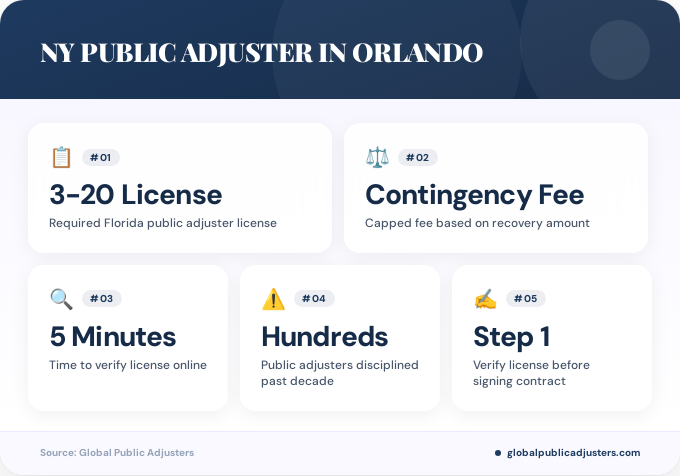
A legitimatepublic adjuster in Orlandomust hold an active Florida 3-20 license, work on a capped contingency fee, and provide a written contract before touching your claim. Verify the license through the Florida Department of Financial Services, compare fee structures across at least two firms, and watch for red flags like upfront charges, pressure to sign immediately after a storm, or vague promises of guaranteed payouts.
Florida’s Office of Insurance Regulation has disciplined hundreds of public adjusters over the past decade for unlicensed activity, fee violations, and misrepresentation, and a surprising share of those complaints originate in Central Florida, where hailstorms, hurricane remnants, and sudden roof leaks keep claim volume high. If you’re searching for apublic adjuster in Orlandoafter storm damage, a kitchen fire, or a denied water claim, the adjuster you choose can mean the difference between a fair settlement and a drawn-out fight with your insurer. This guide walks through licensure verification, fee comparison, and the exact questions that separate ethical professionals from opportunists chasing a quick signature.
What Is a Public Adjuster, and Why Does Orlando Need Them?
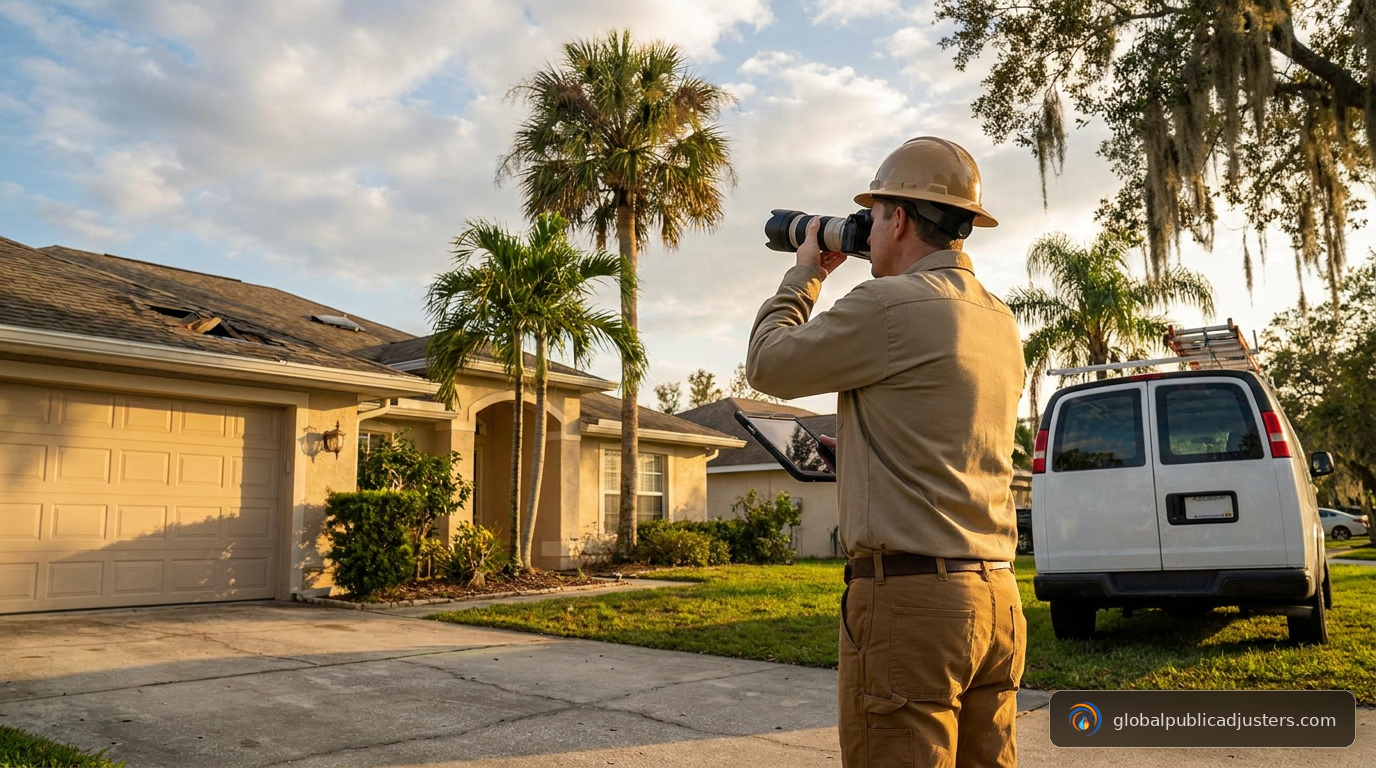
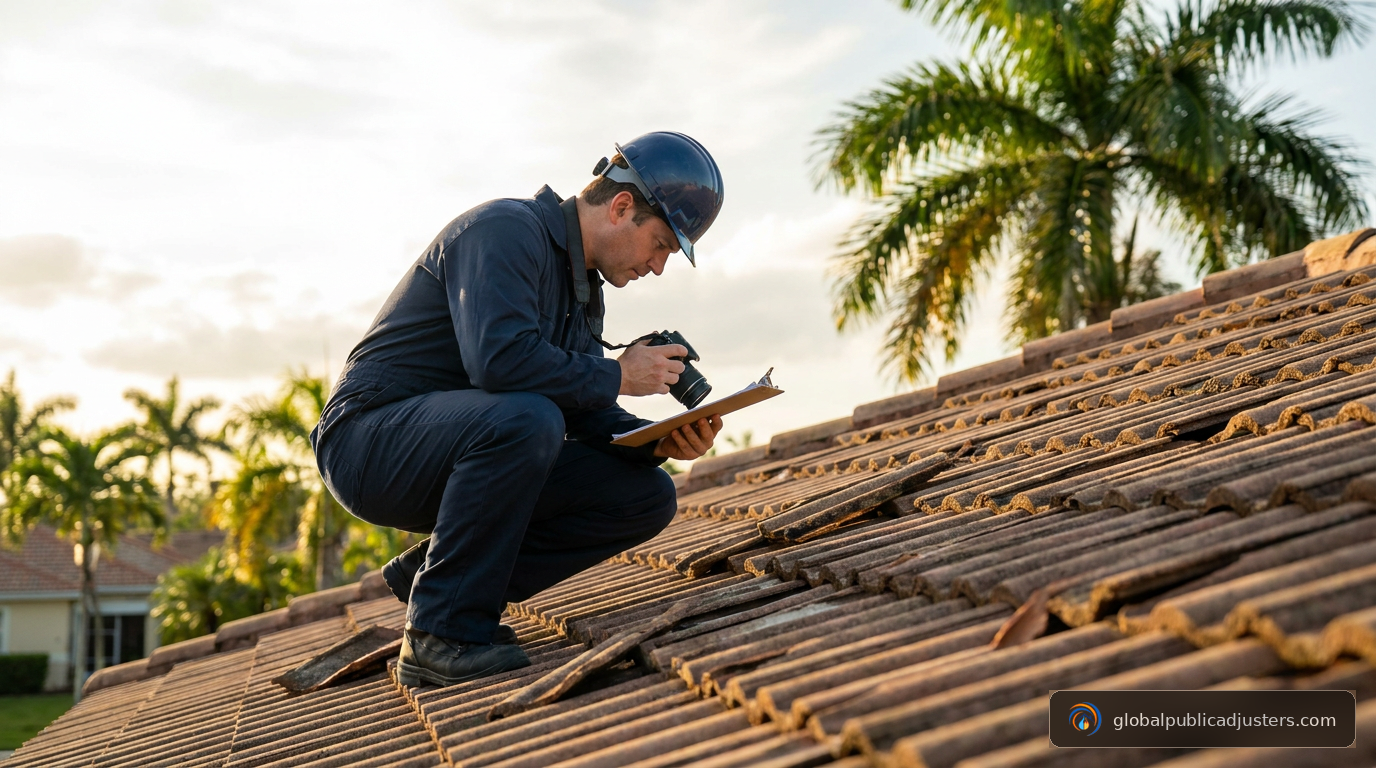
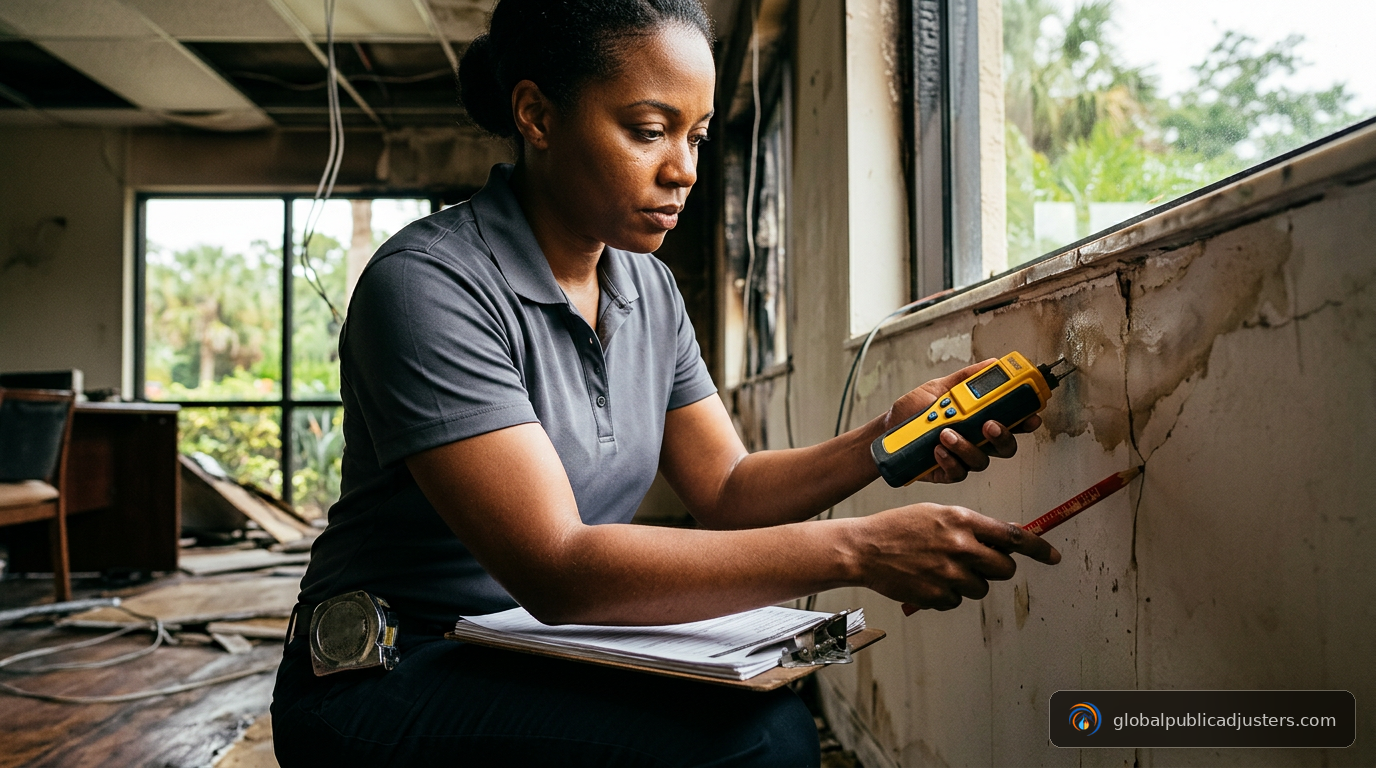
A public adjuster is a licensed professional who representsyou, the policyholder, not the insurance company. They inspect damage, document losses, interpret your policy language, and negotiate your settlement, all for a contingency fee based on the amount recovered.
Orlando’s unique exposure makes this especially relevant. Neighborhoods from Lake Nona to Winter Park see a mix of aging roofs, afternoon thunderstorm cells, and occasional tropical system impact, all of which generate claims that insurers frequently underpay or delay. Homeowners in College Park and Baldwin Park have reported initial insurer estimates that fall far short of actual repair costs, which is where a qualified adjuster earns their fee.
For a broader look at how adjuster compensation works during storm season, see this breakdown ofhurricane season claims and adjuster pay in Orlando.
How Do You Verify a Public Adjuster’s License in Florida?
Every public adjuster operating in Florida must hold a3-20 Public Adjuster licenseissued by the Florida Department of Financial Services (DFS). This is non-negotiable. You can confirm license status, disciplinary history, and expiration dates in under five minutes using the DFS online license lookup tool.
- Search the DFS licensee databaseby full name or license number, not just a company name.
- Check license status: it should read “Active,” not “Inactive,” “Suspended,” or “Terminated.”
- Review disciplinary actions: the DFS portal lists any consent orders, fines, or revocations tied to that license.
- Confirm the individual, not just the company: firms can be legitimate while employing unlicensed solicitors, so verify the specific person signing your contract.
This process mirrors steps we’ve detailed for other Florida markets. If you want a step-by-step walkthrough with screenshots and search tips, our guide onhow to verify an insurance adjuster’s licenseapplies the same way to Orlando residents.
“The single biggest mistake Orlando homeowners make is assuming a friendly door-knocker is automatically licensed. We tell every client: verify first, sign second. A five-minute search can save you months of legal headaches,” says a senior adjuster with Global Public Adjusters.
How Do Public Adjuster Fees Compare, and What Should You Pay?
Public adjuster fees in Florida are capped by state statute, though the exact percentage depends on the type of claim and when it was filed. Fees are contingency-based, meaning you pay nothing unless the adjuster secures a settlement, but the cap structure varies.
| Claim Type | Typical Fee Cap | Notes |
|---|---|---|
| Standard residential claim | Up to 20% | Applies to most non-emergency water, fire, and wind claims |
| Claim filed within first year of a declared emergency | Up to 10% | Lower cap applies during the first 12 months after a state of emergency declaration |
| Reopened or supplemental claim | Negotiable, within statutory limits | Should be clearly itemized in the contract |
Any adjuster quoting a flat fee, requesting payment upfront, or charging a percentage above the statutory cap is operating outside Florida law. Pricing should always be explained in writing, tied to the specific scope of your claim, and never collected before a settlement is reached. For a deeper explanation of how these percentages apply to Central Florida homeowners specifically, read our full breakdown of theFlorida public adjuster contingency fee structure in Orlando.
What Red Flags Signal a Fly-By-Night Operator?
After major storm events, Orlando sees an influx of out-of-state solicitors who disappear once a claim stalls. Knowing the warning signs protects both your wallet and your timeline.
- High-pressure, same-day signing: ethical adjusters give you time to read the contract and ask questions.
- No permanent local address: a firm with no verifiable Orlando or Florida office presence is harder to hold accountable.
- Vague or missing license numberon business cards, contracts, or marketing materials.
- Promises of a guaranteed payout amountbefore any inspection has occurred.
- Requests for upfront fees, retainer payments, or “inspection charges” before work begins.
- Unwillingness to provide referencesor past claim examples within Central Florida.
These patterns echo complaints filed in other Florida markets. If you’ve already signed with someone exhibiting these behaviors, our guide onhow to file a complaint against a public adjuster in Floridawalks through the DFS complaint process step by step.
What Are the Five Critical Questions to Ask Before Hiring?
Before signing any contract, ask these five questions. The answers reveal whether you’re dealing with a seasoned professional or someone cutting corners.
Verify it immediately through DFS.
Get it in writing.
A real firm has a track record nearby.
Direct access matters during disputes.
Vague answers signal inexperience.
These questions work for any claim type, whether you’re dealing with roof wind damage in Conway or a slow pipe leak in Dr. Phillips. To understand what a licensed professional actually does once hired, review this overview ofwhat licensed adjusters do from filing to final settlement.
Independent Adjuster or Public Adjuster: What’s the Difference?
Many Orlando homeowners confuse the adjuster sent by their insurance company with an independent public adjuster they hire themselves. The distinction matters enormously for your payout.
An insurance company adjuster, whether staff or independent contractor, is paid by and represents the insurer’s financial interests. A public adjuster works exclusively for you and is compensated only when your settlement increases. Understanding this dynamic, including how insurer-side adjusters are compensated, is covered in our explainer onhow an insurance adjuster gets paid.
Trustworthiness isn’t exclusive to any one firm size. Some of the most reliable adjusters operate as small local practices, while others are part of larger regional networks. What matters is transparency, which we outline further in our piece onwhat makes a trustworthy public adjusteracross Florida markets.
Key Takeaways
- Always verify a Florida 3-20 license directly through the DFS database before signing anything.
- Public adjuster fees are capped by statute, typically up to 20%, with a lower 10% cap during the first year after a declared emergency.
- Avoid any adjuster who requests upfront payment or guarantees a settlement amount before inspecting your property.
- Ask the five critical questions: license number, fee structure, local references, communication process, and denial strategy.
- Out-of-state storm chasers are common in Orlando after major weather events; a verifiable local presence matters.
- Understanding the difference between an insurer’s adjuster and your own public adjuster protects your financial interests.
- Written contracts, clear fee caps, and documented licensure are non-negotiable for ethical representation.
People Also Ask
Is it worth hiring a public adjuster in Orlando?
For significant claims involving storm, fire, or water damage, a public adjuster often secures a higher settlement than homeowners achieve on their own because they understand policy language and documentation requirements. Since fees are contingency-based, there’s no financial risk if the adjuster doesn’t recover additional funds.
How do I check if a public adjuster is licensed in Florida?
Use the Florida Department of Financial Services online license lookup tool and search by the individual’s name or license number. Confirm the status shows “Active” and review any disciplinary history listed on the same page.
What percentage do public adjusters charge in Florida?
Florida law caps standard public adjuster fees at up to 20% of the settlement, with a reduced cap of up to 10% for claims filed within the first year of a declared state of emergency. These fees must be contingency-based and clearly stated in a written contract.
What should I avoid when hiring a public adjuster?
Avoid adjusters who demand upfront payment, pressure you to sign immediately, can’t produce a license number, or guarantee a specific settlement amount before inspecting your property. These are consistent signs of an unlicensed or unethical operator.
Frequently Asked Questions
Do I need a public adjuster for a small claim?+
For minor repairs under a few thousand dollars, many homeowners handle the claim directly with their insurer. Larger or disputed claims, especially involving structural damage, benefit most from professional representation.
Can a public adjuster guarantee my claim will be approved?+
No ethical adjuster can guarantee approval or a specific payout before reviewing your policy and inspecting the damage. Anyone making that promise upfront should be considered a red flag.
How long does a public adjuster take to settle a claim in Orlando?+
Timelines vary based on claim complexity, insurer responsiveness, and whether disputes require appraisal or litigation. Straightforward claims may resolve in weeks, while contested storm damage claims can take several months.
What documentation should I gather before contacting an adjuster?+
Photos and video of the damage, your insurance policy declarations page, prior repair receipts, and any correspondence with your insurer all help an adjuster build your case quickly. The more documentation you have, the faster the claim moves.
Is it too late to hire a public adjuster if my claim was already denied?+
No. Public adjusters frequently reopen denied or underpaid claims by providing additional documentation, requesting re-inspection, or pursuing the appraisal process outlined in your policy. Timing matters, so it’s best to act as soon as possible after a denial.
What claim types does a public adjuster handle in Orlando?+
Common claim types include wind and hail damage, water intrusion, fire and smoke damage, mold, and theft or vandalism. You can review the full range of coveredclaim typeshandled by licensed professionals.
Choosing the right representation starts with due diligence, not urgency. Before you sign anything, verify the license, compare fee structures in writing, and ask the five questions outlined above. If you’re ready to discuss your claim with a licensed, verifiable team,reach out for a free consultation, reviewour full range of services, or learn moreabout our team’s backgroundatGlobal Public Adjusters.