Who to Call for Ceiling Water Damage: Your Expert Guide
Why Finding the Right Ceiling Water Damage Specialists Matters
Ceiling water damage specialistsare restoration professionals who assess and repair ceilings damaged by water from roof leaks, plumbing failures, or other sources. Using specialized equipment, they detect hidden damage, extract water, dry affected areas, prevent mold, and restore structural integrity.
When you need a ceiling water damage specialist:
- Immediate response:Water damage restoration companies (SERVPRO, ServiceMaster, local certified firms)
- Structural repairs:Licensed contractors specializing in water damage and drywall/plaster work
- Insurance claim help:Public adjusters who maximize your settlement
- Mold issues:Certified mold remediation specialists with IICRC credentials
Finding your ceiling gushing water is an urgent crisis. According to industry data,14,000 people in the U.S. experience water damage emergencies at home or work every day.
Ceiling water damage rarely stays small. A tiny brown stain can quickly become a sagging, mold-infested disaster that threatens your home’s structure and health. In humid areas like Florida,mold can begin forming within 24 to 48 hoursafter a leak.
Many property owners struggle with knowingwhoto call andwhen. Do you need a roofer, a plumber, or a restoration company? And how do you ensure your insurance claim covers the full extent of the damage?
This guide walks you through everything—from identifying warning signs to understanding what specialists do and how to steer the insurance claims process to get the compensation you deserve.

Know yourceiling water damage specialiststerms:
- flood damage public adjuster
- how to find a specialist for repairing water-damaged drywall
- water damage insurance claim specialist
Identifying the Problem: Signs and Causes of Ceiling Water Damage

Ceiling water damage often begins subtly, but knowing what to look for can help you catch it before it escalates. Understanding the common culprits is also key to effective prevention and repair.
Telltale Signs of Water Intrusion
Your ceiling can be an excellent indicator of water problems. Here are the clear signs of water damage:
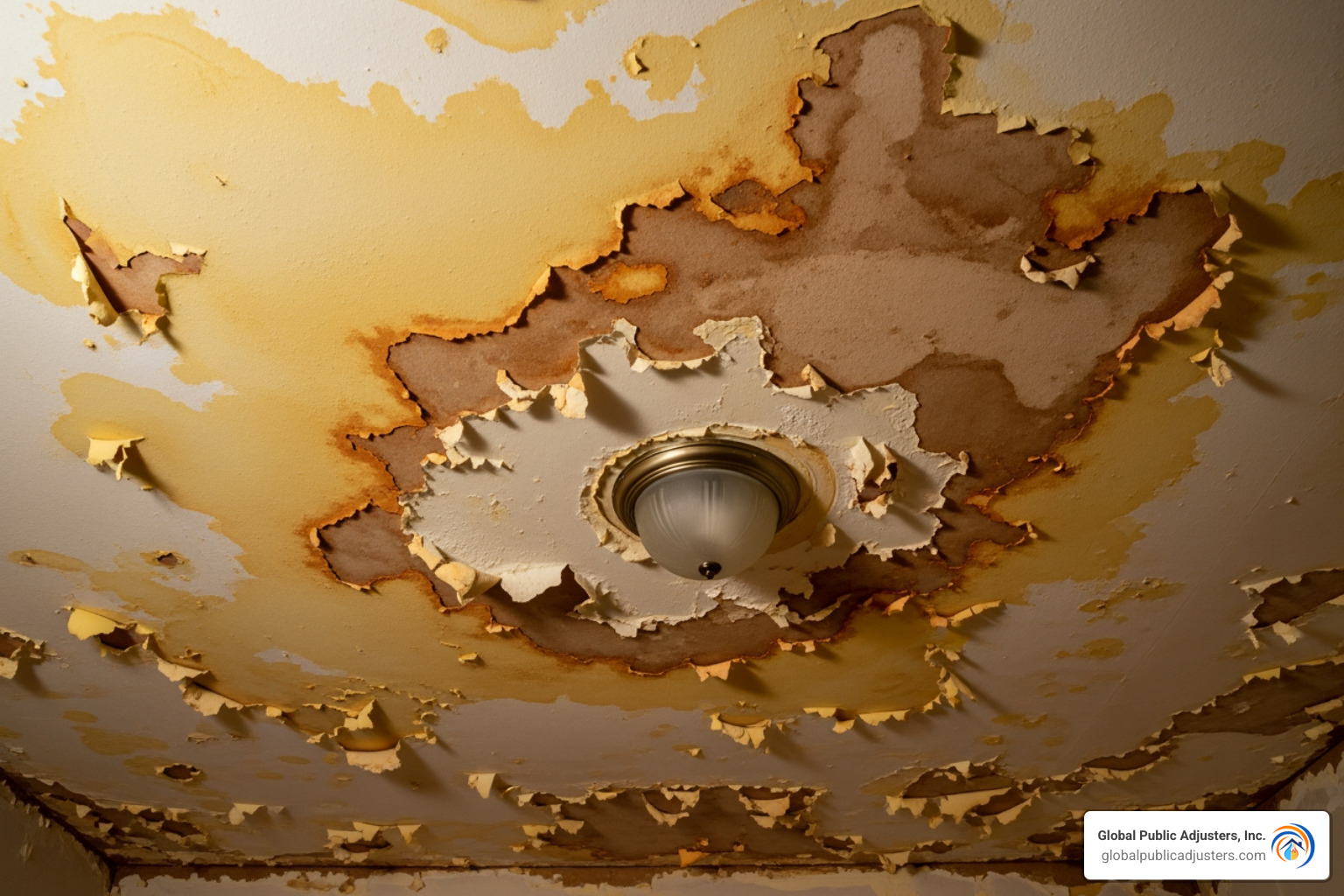
- Water Stains:The most common sign,Water stainsappear as yellow, brown, or rust-colored patches. Even a dry stain indicates a past or ongoing leak that needs investigation.
- Discoloration:A general darkening or uneven coloring of your ceiling can be an early sign of moisture absorption.
- Peeling or Bubbling Paint:Moisture behind paint or wallpaper causes it to lose adhesion, leading to blistering, bubbling, or peeling.
- Sagging or bowing: A drooping, bulging, or belly-like appearance is a critical sign. Water has saturated the drywall or plaster, compromising its structural integrity. A sagging ceiling can be on the verge of collapse.
- Cracks:New or expanding cracks, especially those spiderwebbing from a central point, can indicate moisture damage and structural stress.
- Musty Odors:A persistent musty or earthy smell often indicates hidden mold growth behind the ceiling from damp conditions.
- Visible Mold Growth:Black, green, or white fuzzy patches are a definitive sign of water damage and an active moisture source. Mold can grow within 24 to 48 hours.
Recognizing these signs early can save you time and money. For more, see our guide onSome Signs of Water Damage in Your Home.
Common Culprits Behind a Leaking Ceiling
Identifying the source is the first step to any repair. Common causes include:
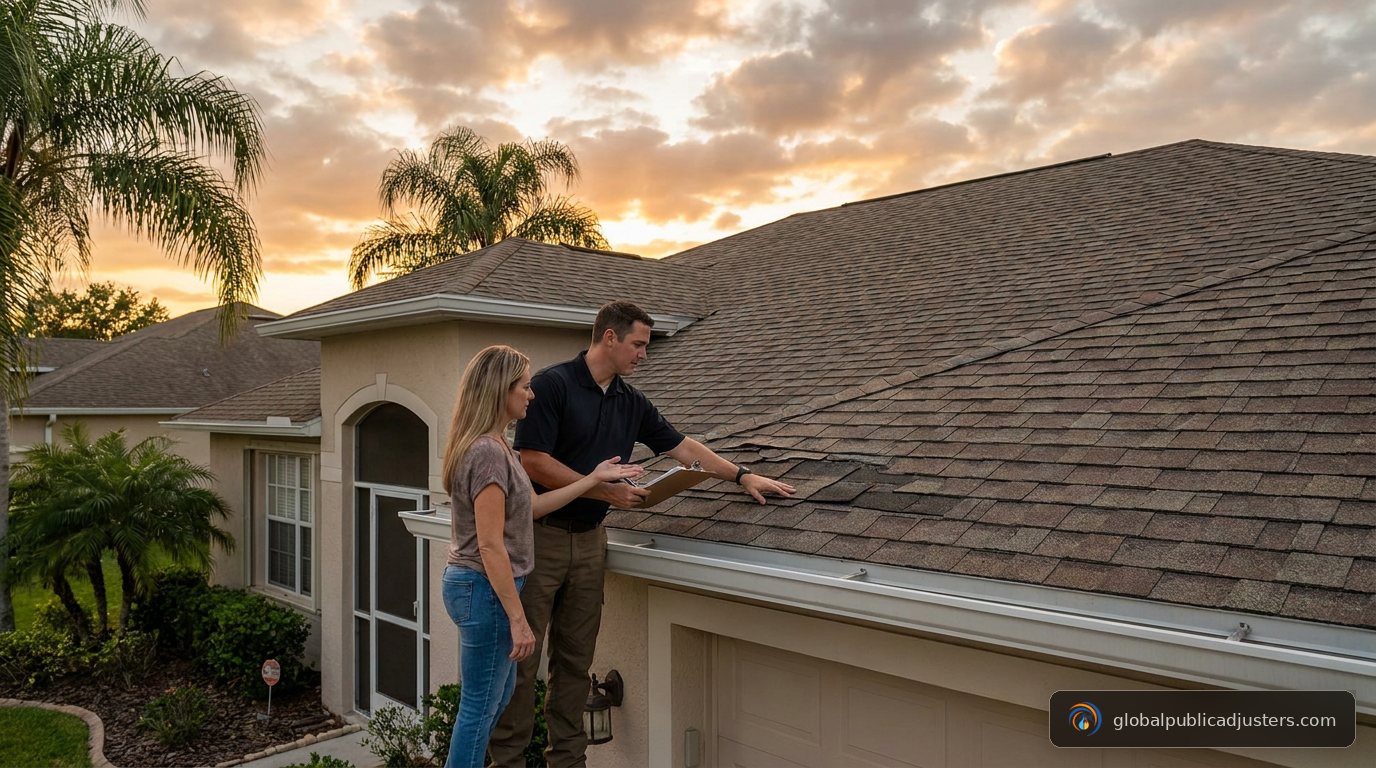
- Roof Ceiling Leaks: A frequent offender in Florida, caused by damaged shingles, deteriorated flashing, or cracked tiles that allow water to penetrate.
- Plumbing Issues: Leaks from pipes, fixtures, or appliances on the floor above are common. This includes leaky toilets, faulty shower pans, or burst pipes, especially in older homes with systems likeBroken Cast Iron Pipes.
- Air Conditioning Leak Orlando: HVAC condensate drain lines can clog or overflow, sending water into your ceiling. LearnHow to Tell if Your Air Conditioning is Leaking.
- Clogged Gutters: Blocked gutters cause water to overflow and seep into the roofline or fascia, eventually reaching your ceiling.
- Poor Ventilation and Condensation: Inadequate ventilation in bathrooms, kitchens, or attics leads to humidity. This moisture condenses on cold surfaces, mimicking a leak.
- Storm Damage: High winds, heavy rain, and hail can damage your roof or siding, leading to leaks. SeeThree Ways to Detect Water Damage in Your Home After a Storm in Miami.
- Malfunctioning Fire Sprinklers: Though less common, sprinklers can malfunction and cause water damage. Routine inspections are important; findmore information on sprinkler inspection.
What to Do Immediately After Finding Ceiling Water Damage

Finding water damage in your ceiling can be alarming, but acting quickly can significantly minimize the extent of the damage. Our priority is always your safety and preventing further harm to your property. Here’s an emergency action plan to follow the moment you notice a problem. Water damage can quickly cause major damage, leading to rot, mold, and a weaker house frame if ignored.
A Step-by-Step Emergency Action Plan
When water starts dripping or your ceiling shows signs of distress, every second counts. Follow these immediate steps:
- Place buckets to catch drips.This seems obvious, but it’s the first line of defense to prevent water from spreading to floors, furniture, and other belongings. Use towels or old sheets to absorb any splash.
- Move furniture and valuables out of the way.Get anything precious or easily damaged away from the affected area. This protects your belongings and clears the space for further action.
- If safe, try to identify and stop the water source.This is paramount.
- If it’s a plumbing issue, locate the nearest shut-off valve to the leaking fixture (e.g., toilet, sink) or turn off the main water supply to your home.
- If it’s a roof leak during a storm, there’s often little you can do immediately from the inside, but you can prepare for temporary exterior measures once the storm passes.
- For anAir Conditioning Leak Orlando, turn off your HVAC unit.
Stopping the source is critical to preventing more extensive damage.
- Turn off electricity to the affected area at the breaker box.Water and electricity are a dangerous combination. If the leak is near light fixtures, ceiling fans, or any electrical wiring, switch off the power to that circuit immediately to prevent electrical hazards or short circuits.
- Puncture a small hole in the center of a sagging area to release trapped water and relieve pressure.If you have a significant bulge in your drywall ceiling, it means a lot of water is pooling there. Carefully and slowly puncture a small hole with a screwdriver or similar tool. Place a large bucket directly underneath. This will allow the water to drain in a controlled manner, reducing the risk of a sudden, uncontrolled collapse.Do not attempt this if the ceiling material is plaster, as it can crumble unpredictably.
- Take photos and videos of the damage for your insurance claim.Documentation is vital. Capture the full scope of the damage, including the source (if identified), the stains, sagging, and any affected personal property. These visuals will be invaluable when you file your claim. This helps explainHow Can Water Damage My Hometo your insurer.
Why You Need Professional Ceiling Water Damage Specialists
While immediate actions are crucial, DIY solutions for significant ceiling water damage are often insufficient. Professionalceiling water damage specialistshave the expertise and specialized equipment to handle the problem thoroughly, preventing long-term issues like mold and structural compromise.
How Ceiling Water Damage Specialists Assess the Damage
Professionals don’t just look at visible damage; they use advanced tools to uncover hidden moisture and structural issues.
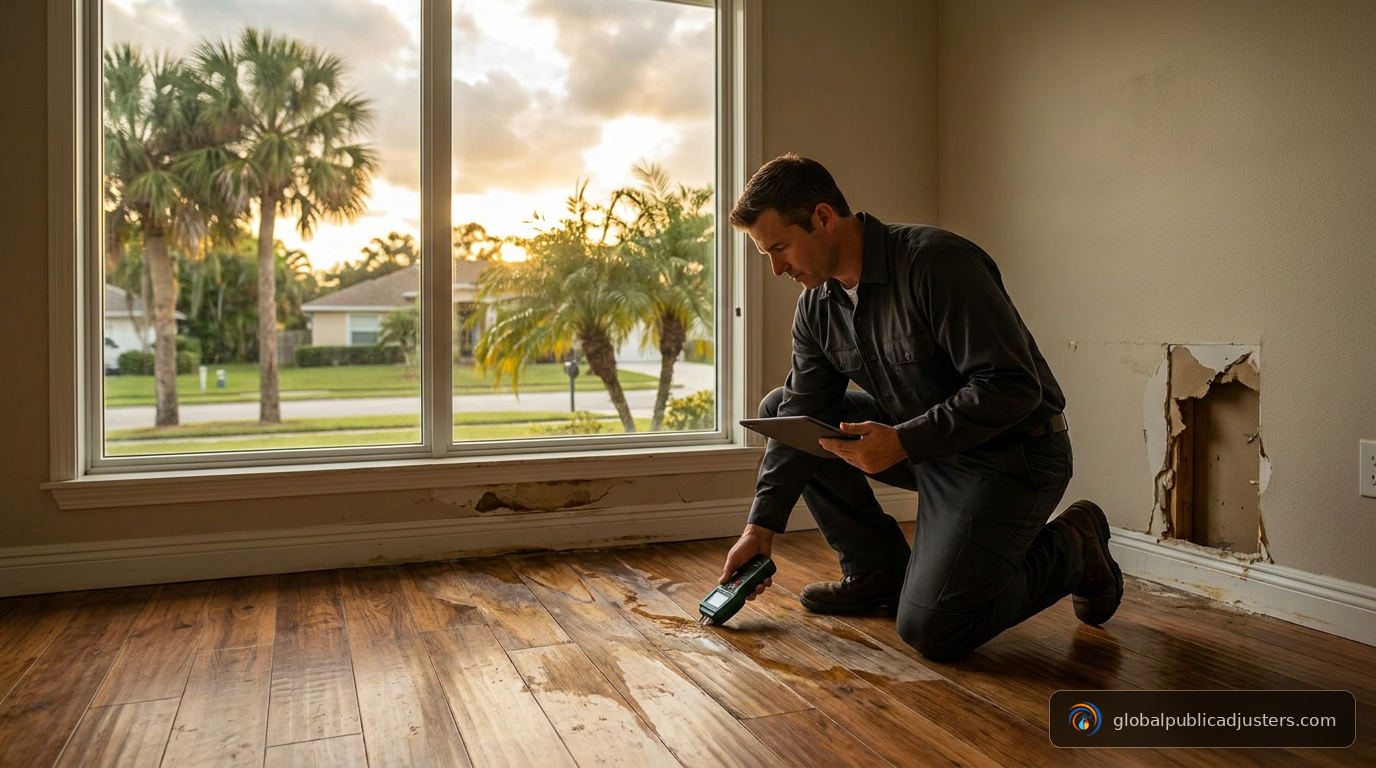
- Moisture Meters:These devices detect moisture levels in building materials, even behind walls or above ceilings, to pinpoint the extent of water saturation.
- Thermal Imaging Cameras:Infrared cameras identify hidden moisture pockets and leak pathways by detecting temperature differences in wet versus dry areas.
- Leak Detection:Specialists use techniques like acoustic sensors to pinpoint the source of elusive leaks within concealed spaces.
- Structural Integrity Assessment:They evaluate the ceiling’s load-bearing capacity, checking for weakened joists or rot to prevent collapse.
- Damage Categorization:Water is categorized by contamination level:
- Category 1 (Clean Water):From sanitary sources like a burst supply line.
- Category 2 (Grey Water):Contains contaminants (e.g., from a washing machine).
- Category 3 (Black Water):Highly unsanitary (e.g., sewage, floodwaters), posing significant health risks.
- Drywall vs. Plaster Ceilings:Specialists know how different materials react to water (drywall sags, plaster crumbles) and tailor their repair techniques accordingly.
The Professional Restoration and Repair Process
After assessment, specialists begin a systematic restoration process involving comprehensive drying, sanitization, and reconstruction. For assistance, considerWater Restoration Services Orlando.
- Water Extraction:High-powered pumps and vacuums remove standing water from the affected area, including from within the ceiling cavity.
- Controlled Demolition:Saturated materials that cannot be salvaged (drywall, insulation) are safely removed to access wet areas and prevent mold.
- Industrial-Grade Drying:Industrial fans and air movers are placed to promote rapid evaporation and air circulation.
- Dehumidification:Commercial-grade dehumidifiers remove moisture from the air, which is crucial for thorough drying in Florida’s humid climate.
- Cleaning and Sanitizing:Affected surfaces are cleaned and sanitized to eliminate bacteria, especially if the water was Category 2 or 3.
- Drywall or Plaster Repair:Once dry, new drywall is installed and finished to match the existing ceiling. Plaster ceilings receive specialized repairs.
- Priming and Painting:A stain-blocking primer is applied before the final coat of paint to restore the ceiling’s original appearance.
How Specialists Address and Prevent Mold Growth
Mold is a serious concern that can form within 24-48 hours and poses health risks. Specialists are trained to handle and prevent it. If you have mold, learnWhy Hire a Public Adjuster for Mold Damage.
- Mold Testing:Air and surface tests can confirm the presence and type of mold if it’s suspected but not visible.
- Containment:Specialists use plastic sheeting and negative air pressure to prevent mold spores from spreading.
- Applying anEPA-approvedmold treatment:Antimicrobial solutions are used to kill mold and inhibit regrowth.
- Air Scrubbing:High-efficiency particulate air (HEPA) scrubbers filter airborne mold spores to improve indoor air quality.
- HEPA Vacuums:Surfaces are cleaned with HEPA vacuums to remove mold residues and spores.
- Sealing with Mold-Resistant Primer:Treated areas are often sealed with a mold-resistant primer for extra protection.
Navigating Insurance and Choosing the Right Professional
Dealing with ceiling water damage involves two major components: the physical restoration and the financial recovery through your insurance claim. Choosing the rightceiling water damage specialistsand understanding your insurance policy are equally vital steps.
When to Call Professional Ceiling Water Damage Specialists
While some minor leaks might seem manageable for a DIY enthusiast, there are clear situations where calling in professionalceiling water damage specialistsis not just recommended, but essential:
- Extensive Damage:If the water damage covers a large area of your ceiling, has soaked through insulation, or has been ongoing for some time, it’s beyond a simple patch job. Professionals have the resources to handle large-scale remediation.
- Sagging or Structural Concerns:Any indication of a sagging, bulging, or warped ceiling means the structural integrity is compromised. This is a safety hazard that requires immediate expert assessment and repair to prevent collapse.
- Signs of Mold:If you see or smell mold, it’s time for a professional. Mold remediation requires specialized knowledge, equipment, and safety protocols to ensure complete removal and prevent recurrence.
- Contaminated Water (Category 2 or 3):If the water source is from a toilet overflow, sewage backup, or floodwaters (Category 2 or 3), it contains harmful bacteria and pathogens. This type of water damage poses serious health risks and must be handled by professionals with appropriate protective gear and sanitization methods.
- Lack of Proper Equipment:Most homeowners don’t have industrial-grade dehumidifiers, air movers, moisture meters, or thermal imaging cameras. Professionals use these tools to ensure thorough drying and detect hidden moisture that could lead to future problems.
Key Qualifications to Look For in a Specialist
When entrusting your home toceiling water damage specialists, you want to ensure you’re hiring competent and reliable professionals. Here’s what to look for:
- IICRCCertification:The Institute of Inspection, Cleaning and Restoration Certification (IICRC) is the leading certification body for the restoration industry. Look for firms with IICRC-certified technicians in Water Damage Restoration (WDR) and Applied Microbial Remediation (AMRT) for mold. This ensures they adhere to industry best practices.
- State Licensing:Verify that the company is properly licensed to perform restoration and construction work in Florida.
- Proof of Insurance:Ensure the company carries comprehensive liability insurance and workers’ compensation. This protects you from financial responsibility in case of accidents on your property.
- Years of Experience:A company with a long track record, like ATI Restoration with over 35 years of experience, often indicates reliability and expertise. They’ve seen it all and know how to handle diverse situations.
- Positive Reviews and References:Check online reviews (Google, Yelp, BBB) and ask for local references. Hearing from past clients can give you insight into their customer service and quality of work.
- Detailed Estimates:A reputable specialist will provide a clear, written estimate outlining the scope of work, timeline, and costs involved before any work begins.
The Role of Insurance and Public Adjusters in Your Claim
After experiencing ceiling water damage, navigating the insurance claims process can be daunting. Insurance companies often have their own adjusters, but their primary goal is to protect the company’s bottom line. This is where a public adjuster, like our team at Global Public Adjusters, Inc., becomes invaluable.
- Filing a Claim:We can help you initiate the claim process correctly, ensuring all necessary information is provided from the outset.
- Documenting Losses:We carefully document all aspects of your damage, including hidden issues that might be overlooked by an untrained eye. This includes photos, videos, moisture readings, and detailed repair estimates from your chosenceiling water damage specialists.
- Understanding Your Policy:Insurance policies can be complex and filled with jargon. We interpret your policy to ensure you understand your coverage, deductibles, and limitations, making sure no covered damage is missed.
- Negotiating with the Insurance Company:We handle all communications and negotiations with your insurer on your behalf, advocating for your best interests. This helps to level the playing field.
- Maximizing Your Settlement:Our ultimate goal is to ensure you receive the maximum settlement you’re entitled to under your policy. We fight for fair compensation that fully covers the costs of repair and restoration. For more details on this, exploreWhat Can a Public Adjuster Do For Me.
Having a public adjuster on your side can significantly reduce your stress and improve your outcome during a property damage claim. We are your advocates, ensuring you are treated fairly by your insurance company. For more on navigating this process, visit our page onProperty Damage Claims Orlando.
Frequently Asked Questions about Ceiling Water Damage
Here are answers to common questions about ceiling water damage.
What are the long-term consequences of untreated ceiling water damage?
Ignoring ceiling water damage can lead to serious long-term problems:
- Structural Rot:Prolonged moisture causes wood components like joists and rafters to rot, weakening your home’s structure.
- Chronic Mold Growth:Untreated moisture creates an ideal environment for mold to spread behind walls and ceilings, becoming a chronic issue.
- Compromised Indoor Air Quality:Mold releases spores that can trigger allergies and respiratory issues. A musty odor is a key indicator.
- Pest Infestations:Damp, rotting wood attracts pests like termites, carpenter ants, and rodents.
- Decreased Property Value:Water stains, mold, and structural issues significantly reduce your home’s market value.
- Potential Ceiling Collapse:A water-saturated ceiling can become too heavy and collapse, posing an immediate danger.
How can I prevent future ceiling water damage?
Proactive steps can significantly reduce your risk:
- Regular Roof Inspections:Have your roof professionally inspected annually and after severe weather to check for damage.
- Maintain gutters:Keep gutters clean to prevent water from backing up and seeping into your roofline.
- Insulate pipesin cold areas:Insulating pipes in attics can help prevent bursting during unexpected cold snaps.
- Ensure proper attic ventilation:Good ventilation prevents condensation buildup. Ensure bathroom and kitchen fans vent outside, not into the attic.
- Check appliance hoses regularly:Inspect hoses on washing machines, dishwashers, and refrigerators for wear and replace them every few years.
How much does ceiling water damage repair cost?
The cost varies widely, from a few hundred dollars for minor repairs to several thousand for extensive damage. The final price in Florida depends on several factors:
- Extent of the Damage:A small stain is less expensive to fix than replacing a large, sagging section of drywall.
- Ceiling Material:Drywall is generally less costly to repair than plaster.
- Location and Source:Hard-to-reach areas or complex leak sources (e.g., major plumbing or roof repairs) increase costs.
- Mold Remediation:If mold is present, professional remediation will significantly increase the total cost.
- Structural Repairs:Repairing compromised joists or other structural elements adds considerable expense.
- Additional Damage:Costs increase if water has damaged insulation, flooring, or light fixtures.
Due to these variables, getting a detailed estimate from a qualifiedceiling water damage specialistis crucial. Delaying repairs only leads to more extensive damage and higher costs.
Get Expert Help with Your Ceiling Water Damage Claim
Acting quickly on ceiling water damage is key to protecting your property and health. While restoration specialists handle the physical repairs, navigating the complex insurance claim process is another battle. An experienced public adjuster can be your most valuable ally, ensuring all damages are properly documented and you receive the maximum settlement you’re entitled to. If you’re facing a difficult insurance claim, the team at Global Public Adjusters, Inc. can advocate on your behalf.
Contact us to get expert help with yourWater Damage Claims in Orlando.