Water Damage Claims: Maximize 5 Steps
Why Water Damage Claims Are So Critical (And So Challenging)
Water damage claimsare the most common type of property insurance claim. A burst pipe, leaky roof, or failed appliance can quickly destroy property, and navigating the insurance claims process can be just as overwhelming as the damage itself.
Quick Answer: Key Steps for Water Damage Claims
- Stop the water source immediatelyand shut off utilities if needed
- Document everythingwith photos, videos, and detailed notes
- Notify your insurance companywithin 24-48 hours
- Mitigate further damageby removing water and drying affected areas
- Work with your adjusterbut verify their assessment independently
- Understand your coverageincluding what’s excluded (like floods and gradual damage)
- Consider professional helpif your claim is denied or undervalued
Water damage is the leading cause of home insurance claims in North America, yet many policyholders don’t fully understand their coverage. For instance, a 2016 poll by the Insurance Bureau of Canada found that roughly 50% of Canadians overestimated what their policy covered.
The complexity ofwater damage claimsrequires you to understand the difference betweensuddenandgradualdamage, know what’s covered versus excluded, document everything properly, and steer a process that can feel designed to minimize your payout.
This guide will walk you through every step of maximizing your water damage claim—from initial findy to negotiating a fair settlement. You’ll learn what your policy covers, how to avoid common denial triggers, and when to bring in professional help to get the compensation you deserve.

Understanding Water Damage and Your Insurance Policy

To successfully steer awater damage claim, you must understand what your insurance policy covers—and what it doesn’t. Many homeowners are caught off guard by exclusions. Insurance companies treat water damage differently based on its source, speed, and cause, which determines whether your claim is paid or denied.
Common causes of water damage include leaking appliances likedishwashers or washing machines,burst pipesfrom freezing weather or corrosion, androof leaks.Sewer backupsandweather eventslike heavy rain can also cause significant issues. Sometimes,faulty workmanshipis to blame, leading to complicated claims where the start of the damage is unclear. For a deeper look at the various ways water can impact your property, check outSome Different Types of Water Damage.
What Your Standard Homeowners Policy Typically Covers (and Excludes)
As a general rule, standard homeowners insurance covers“sudden and accidental”water damage—events that happen unexpectedly and are not due to neglect. Covered events typically include apipe that suddenly bursts, anappliance overflow(like a ruptured washing machine hose), or an accidentalfire sprinkler discharge.
However, standard policies have significant exclusions.Gradual leaks, damage from poormaintenance(like a neglected roof or old hoses), andground seepageare usually not covered.Sewer backup and sump pump failuresare also typically excluded unless you have specific add-on coverage. The biggest exclusion isflood damage, which requires a separate policy.
Your policy’s deductibles and coverage limits will directly impact your payout, so it’s crucial to review your documents. You can also check resources like what your home insurance actually covers to better understand common coverage scenarios.
The Critical Difference: Sudden vs. Gradual Damage
This distinction is critical, as it often determines if a claim is approved or denied.
Sudden and accidental damagehappens quickly, like a pipe bursting in a cold snap. These events have a clear start time and couldn’t be prevented by normal maintenance. This is what insurance is designed to cover.
Gradual damagedevelops slowly, such as a dripping faucet causing wood rot or a small, unnoticed roof leak leading to mold. Insurers frequently deny these claims, citing a lack of maintenance. They argue the problem should have been fixed earlier. Insurance companies often push back hard on this point. At Global Public Adjusters, Inc., we investigate the true cause, as what appears gradual may have originated from a sudden, covered event. If you’re unsure whether your situation involves a burst pipe,How to Tell If a Pipe Has Burst in Your Homecan help you identify the signs.
Water Damage vs. Flood Damage: A Costly Distinction
This misunderstanding can be financially devastating. The difference isn’t semantics—it’s about whether you’re covered.
Water damageis caused by water originatinginsideyour home, such as from plumbing, appliances, or heating systems. A burst pipe or overflowing toilet is considered water damage and is typically addressed by a standard homeowners policy (if it’s sudden and accidental).
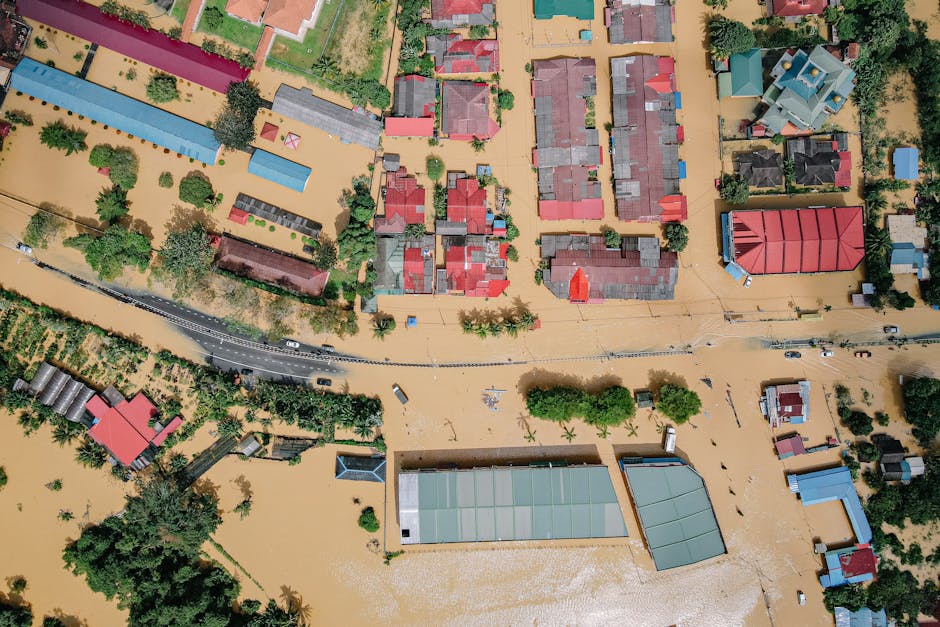
Flood damageis caused by water originatingoutsideyour home from natural events. This includesoverland floodingfrom heavy rain or overflowing rivers,storm surgefrom hurricanes, andmudflows.
Crucially,standard homeowners insurance does not cover flood damage. You need a separate flood insurance policy, most often from theNational Flood Insurance Program(NFIP). In flood-prone areas like Florida, this distinction is vital. We often assist withFlood Damage Claims Orlandofor homeowners who mistakenly believed their standard policy offered protection from storms, only to have their claims denied. Understanding your policy’s exclusions is key to protecting your financial future and filing a strong claim.
Immediate Actions and Documentation: Your First 48 Hours
The first 48 hours after water damage are critical for the outcome of yourwater damage claim. Your actions during this time not only stop the damage from worsening but also protect your financial recovery. Insurance companies scrutinize how you responded, if you mitigated further damage as required by your policy, and how well you documented everything. Following a clear, methodical plan is key. Let’s walk through exactly what to do.

Step 1: Prioritize Safety and Stop the Water Source
Before anything else, ensure everyone is safe.
First, assess the danger.If water is near electrical outlets, shut off the electricity at the main breaker panel. Do not wade through standing water. If you smell gas, evacuate immediately and call your gas provider.
Next, stop the water.This is your top priority to prevent more damage. Locate and turn off your home’s main water shut-off valve. If you can’t find the source or stop it safely, call an emergency plumber. This is a necessary expense that insurance typically covers as part of loss mitigation. You can learn more about identifying pipe problems in our guide onHow to Tell If a Pipe Has Burst in Your Home.
Important tip:Keep any failed component, like a burst hose or cracked pipe fitting. This is crucial evidence that the damage was sudden and accidental.
Finally, protect your property.Once it’s safe, move valuables away from wet areas. Lift items off wet floors to prevent moisture absorption. This shows your insurer you are minimizing the loss, as your policy requires. For extensive damage, professionalWater Restoration Services Orlandocan begin immediate extraction and drying to prevent mold.
Step 2: Document Everything: Your Most Powerful Tool
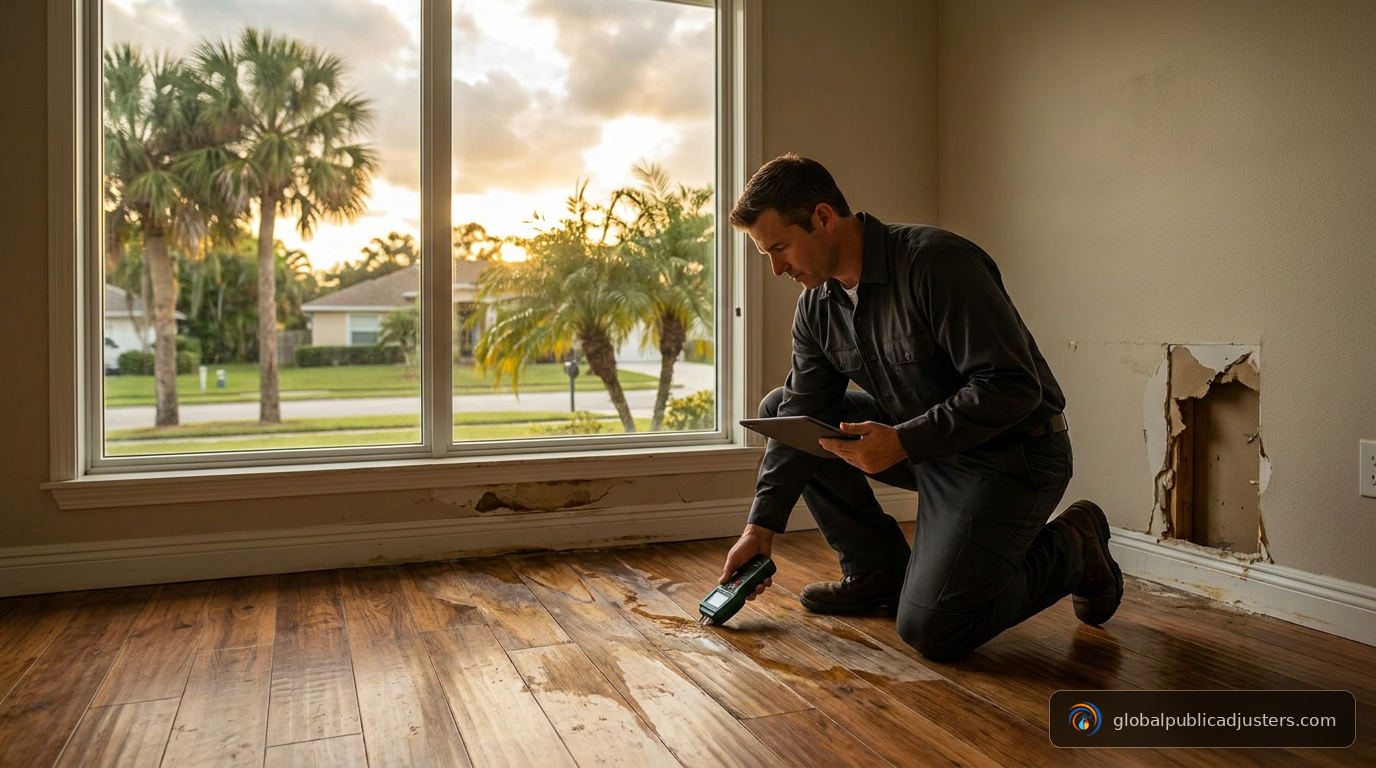
Documentation is your strongest weapon in a water damage claim.Photos, videos, and notes create an undeniable record for your insurance company, which will only see the aftermath.
Start with photos and videosbefore any cleanup. Document the water source, the overall scope of the damage in each room, and close-ups of all affected items: walls, floors, furniture, and personal belongings. You cannot take too many photos.
Write everything down.Keep a log of when you found the damage, the cause, and every action you took. Note who you spoke with (plumbers, insurance reps), when, and what was said.
Make a comprehensive inventory of damaged items.For each item, list a detailed description (e.g., “Samsung 55-inch Smart TV, Model XYZ”), its age, purchase price, and current condition. Attach receipts or statements if you have them.
Do not throw anything away yet.The adjuster must inspect all damaged items before disposal. Discarding items prematurely can hurt your claim.
Keep every receiptfor emergency repairs, rentals, or supplies. These are typically reimbursable mitigation expenses.
Step 3: Notify Your Insurance Company
After handling the emergency and documenting the damage, you must officially notify your insurance company to open yourwater damage claim.
Call your insurer’s claims department as soon as possible(within 24-48 hours) with your policy number. You are filing a “notice of loss.”
Stick to the facts.Describe what happened simply (e.g., “A pipe in the bathroom burst overnight”). Do not speculate on causes or admit fault.
Ask questionsabout your coverage, deductible, and the claims process. While insurers may recommend vendors, you have the right to choose your own contractor.
Document this conversation.Note the date, time, name of the representative, and your claim number. Prompt reporting is crucial; delaying can jeopardize your claim. For more guidance, you can consult resources likeWater Damage Insurance Claims – Nationwide, though general principles apply to all carriers.
These first steps are foundational for a successful claim. By acting quickly and documenting thoroughly, you protect your property and fulfill your policy obligations. If you feel overwhelmed, professional help is available.
Navigating the Water Damage Claims Process Step-by-Step

After the initial crisis, thewater damage claimprocess begins. This involves several key steps: theadjuster inspection, creation of ascope of loss(the insurer’s assessment of damages and costs), gatheringrepair estimates, and finally,settlement negotiation. Understanding the typicalHomeowners Claim Process Orlando FLis crucial, as improper handling can lead to long-term issues like structural problems and mold.
How to Successfully File Your Water Damage Claims
A successfulwater damage claimrequires proactivity and organization.
Submit all your documentation—photos, videos, inventories, and receipts—to your insurer. Detailed records make it harder for them to undervalue or deny your claim.
Whenworking with the adjuster, remember they work for the insurance company, not you. Their job is to assess the damage according to the policy. When the adjuster visits, provide full access and walk through the property with them, pointing out all damage and referencing your documentation.
After the inspection, you’ll receive theadjuster’s reportand an initial settlement offer. Review it carefully to ensure it’s accurate and complete. The initial offer is often negotiable, so if something is missing or incorrect, request clarification in writing. For more guidance on your rights when dealing with adjusters, theResidential Property Claims Guideoffers valuable insights.
Understanding the Settlement: Repair Costs, Valuations, and ALE
How do insurance companies determine the extent of water damage and the cost of repairs?
Insurers use the adjuster’s findings and estimating software to calculate repair costs needed to restore your property to its pre-loss condition. Thevaluation methodin your policy is critical. There are two main types:
Replacement Cost Value (RCV)pays the full cost to replace damaged property with new, similar items, without deducting for depreciation. This is the better option for policyholders.
Actual Cash Value (ACV)pays the replacement cost minus depreciation for age and wear. This can leave you with significant out-of-pocket expenses to fully replace items.
Here’s a simple comparison:
| Valuation Method | What You Receive | Impact on Your Claim |
|---|---|---|
| RCV (Replacement Cost Value) | The full cost to replace damaged items with new, similar items—no depreciation deducted | You receive enough to actually replace what was lost, making full restoration financially feasible |
| ACV (Actual Cash Value) | The replacement cost minus depreciation based on age and condition | You receive less money and must cover the gap between the depreciated value and the actual replacement cost |
Your policy may also coverAdditional Living Expenses (ALE)if your home is uninhabitable. ALE covers the increased cost of living while repairs are made, includingtemporary housing, extrafood costs, and other reasonable expenses. Keep all receipts for reimbursement.
Don’t Forget Hidden Dangers: Addressing Potential Mold Growth
Mold can begin growing within 24 to 48 hoursof water damage, posing serious health hazards. Be vigilant for visible growth or musty odors. If unsure, get a professional inspection. Learn more atHow to Tell If You Have Mold Damage in Your Home.
Insurance formold remediationvaries greatly. Some policies exclude it, while others offer limited coverage (e.g., $5,000-$10,000), often only if it results from a covered peril like a burst pipe. Mold from a gradual, unaddressed leak is typically denied. Acting quickly is critical for both your health and your claim. Our team has extensive experience withMold Damage Claims Orlandoand can help steer coverage complexities.
What is the role of a plumber and a cleaning/restoration service in the water damage claim process?
Aplumber’srole is to stop the leak and repair its source. Their invoice is crucial for your claim. While the cost to repair the failed component itself may not be covered, theresulting water damageusually is.
Cleaning and restoration servicesare essential for mitigating further damage. They handle water extraction, drying, sanitizing, and removing damaged materials. Their speed is critical to prevent mold and additional damage. Their detailed invoices are vital for substantiating your claim’s costs. While many work with insurers, remember you are their client, so ensure you agree with their proposed scope of work.
Successfully navigating awater damage claimrequires persistence and a clear understanding of your policy. Don’t hesitate to ask questions, challenge low offers, or seek professional help.