Hurricane Damage Claims Miami: 5 Steps to Win
Why Hurricane Damage Claims in Miami Require Expert Navigation
Hurricane damage claims Miamiresidents face are among the nation’s most complex insurance matters. A hurricane in South Florida leaves a maze of paperwork, tight deadlines, and disputes that can overwhelm any homeowner.
If you need to file a hurricane damage claim in Miami, here’s what you must do immediately:
- Document everything– Take photos and videos of all damage before making any repairs
- File notice within 1 year– Florida law requires initial claim notice within 12 months of the hurricane’s landfall
- Make temporary repairs only– Prevent further damage but keep receipts and don’t start major repairs
- Understand your deductibles– Hurricane deductibles in Miami are typically 2-5% of your home’s value (not a fixed dollar amount)
- Know the difference– Your homeowners policy covers wind damage, but you need separate flood insurance for water damage
- Report to your insurer immediately– Call your insurance company’s claims line as soon as it’s safe to do so
Miami’s location makes claims challenging. The distinction between wind damage (covered by standard policies) and flood damage (requiring separate NFIP coverage) is a battleground. Insurers often dispute if water came from wind-driven rain or storm surge—a difference worth thousands in your settlement.
Recent data shows the scale of the problem. After Hurricanes Milton and Helene in 2024, over 37,000 claims were closed without payment in Florida, and 84.2% of Hurricane Milton claims remained incomplete months after the storm. Meanwhile, Miami-Dade County homeowners pay an average of $5,527 annually for insurance on a $300,000 home—nearly double what residents in neighboring states pay.
The emotional toll adds to the financial stress. You’re rebuilding while fighting for fair compensation from an insurer whose adjuster works for them, not you. Initial settlement offers often fall short of the true cost of repairs.
This guide will walk you through every step of managing yourhurricane damage claim in Miami—from the moment the storm passes to securing your final settlement. You’ll learn how to document losses effectively, understand coverage types, steer Miami-Dade’s strict building codes, and fight back when your claim is denied or undervalued.

First Steps After the Storm: Securing Your Property and Your Claim
After the storm, your first priority is safety. Ensure your family is out of harm’s way. Once the danger has passed, the clock starts ticking on yourhurricane damage claim in Miami. The right steps now can make all the difference in your claim’s success.

What steps should a Miami homeowner take immediately after experiencing hurricane damage?
- Prioritize Safety: Before re-entering your property, check for downed power lines, gas leaks, and structural instability. Do not enter if you suspect any immediate danger.
- Document All Damage: This is the most crucial step. Use your smartphone for extensive photos and videos of all damage, inside and out. Capture wide shots for context and close-ups for detail. Document missing or destroyed items. This visual evidence is invaluable.
- Make Temporary Repairs: You must mitigate further damage. Make reasonable temporary repairs, like tarping a roof or boarding windows, and keep all receipts. Do not start permanent repairs until your insurer has assessed the damage or you’ve consulted with us. Starting too soon can jeopardize your claim.
- Mitigate Further Loss: Clear fallen branches or debris that could cause additional harm. If your home is uninhabitable, secure it to prevent vandalism or theft.
- Notify Your Insurance Company: Contact your insurance provider as soon as it’s safe. Provide them with a preliminary notice of loss. Getting your claim number is essential.
- Report Damage to Miami-Dade County: Miami-Dade County uses damage reports to assess the overall impact and respond to affected areas. You can report damage or flooding to your home by visitingMiami-Dade County’s damage reporting system. This data also helps emergency responders plan their efforts.
For more information on how to prepare your home for a hurricane and minimize potential damage, you can visit our guide atMore info about how to prepare your home for a hurricane.
Common Types of Hurricane Damage in Miami
Hurricanes in Miami bring a devastating combination of forces, leading to a variety of property damages. What are the most common types of hurricane damage in Miami?
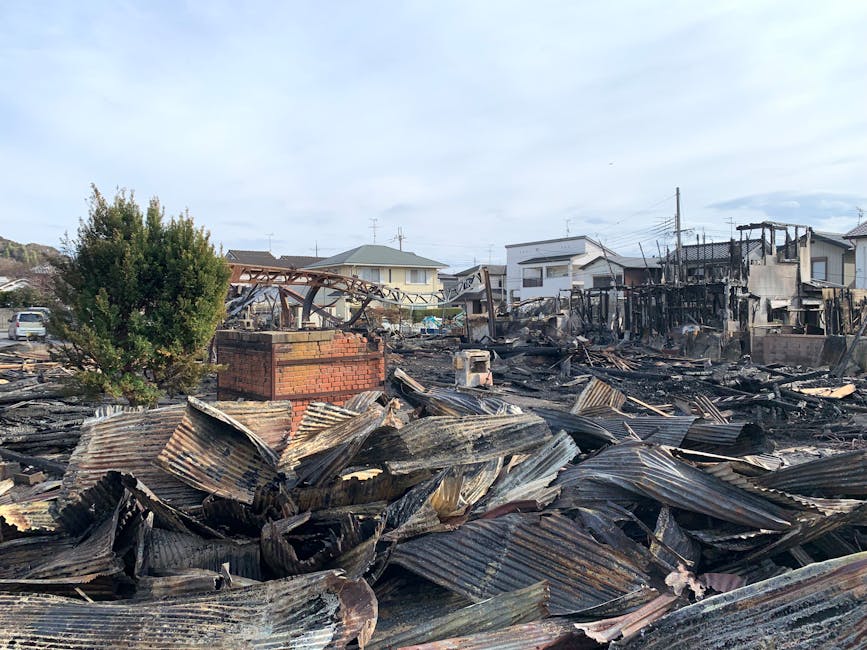
- Wind Damage: This is the most direct and visible damage. High winds can tear off shingles, lift roofs, shatter windows, and rip siding from homes. Flying debris can also cause significant impact damage.
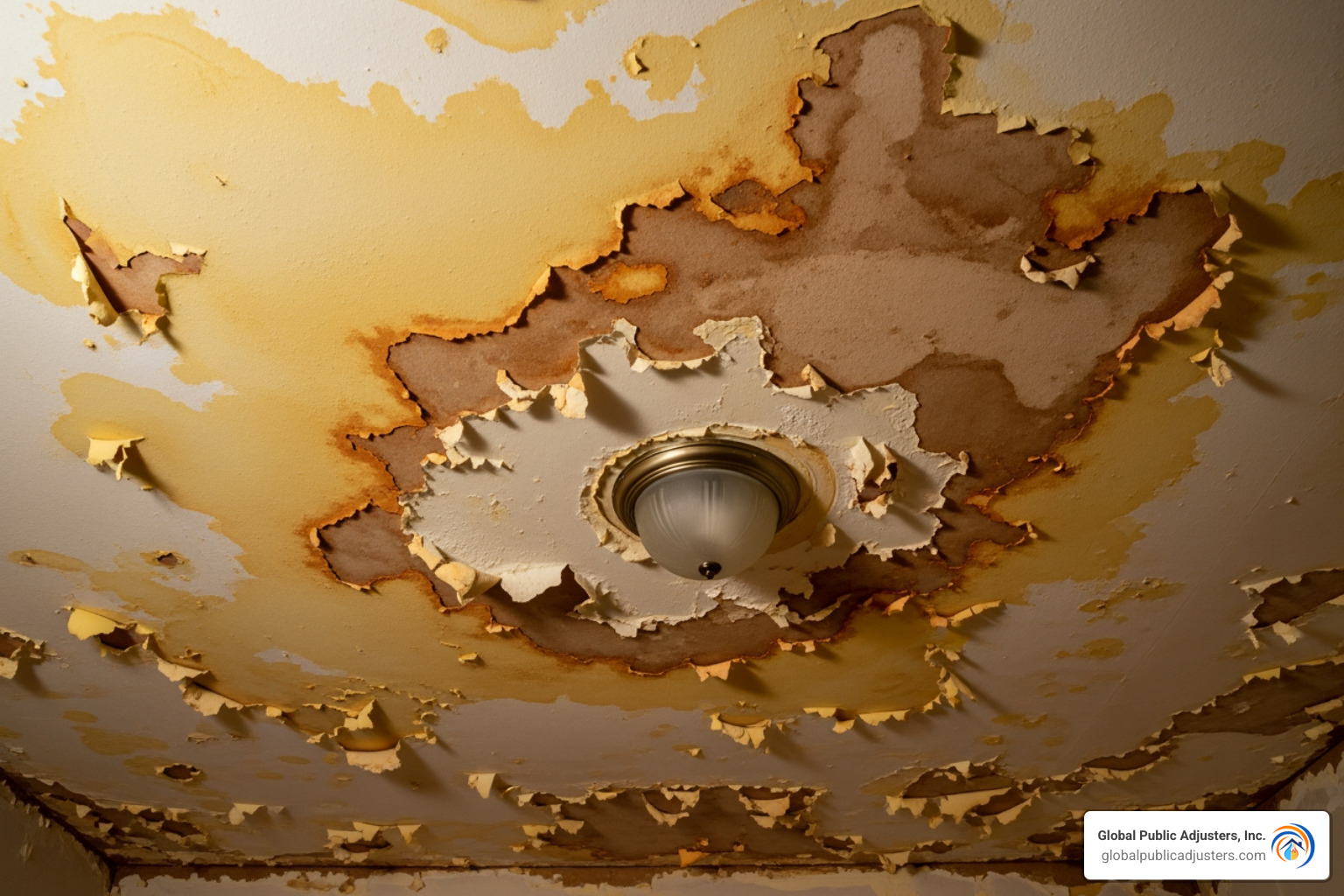
- Water Intrusion: Even without direct flooding, wind-driven rain can be forced through small openings, causing extensive water damage to insulation, drywall, flooring, and electrical systems, leading to mold.
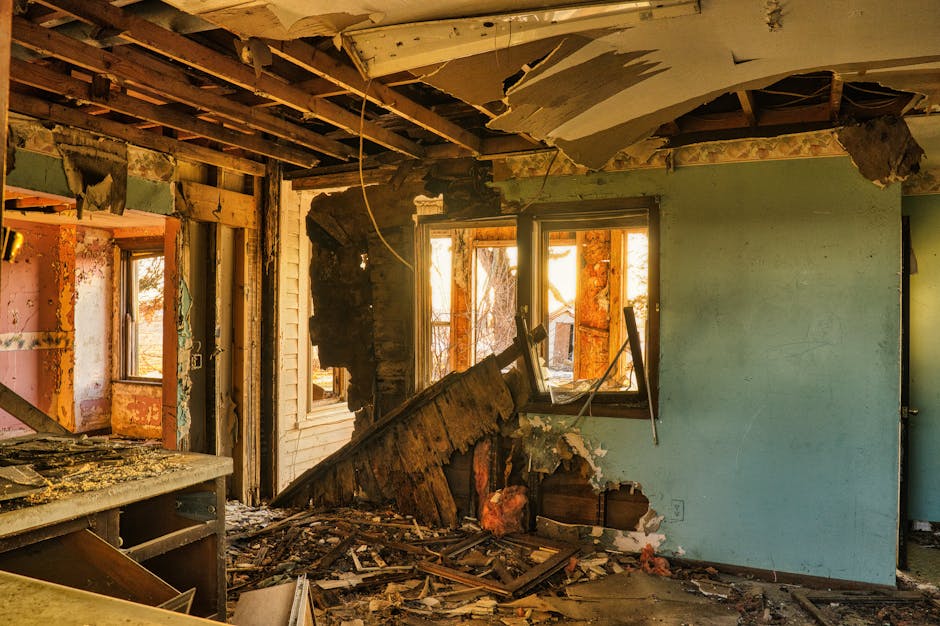
- Structural Damage: The immense pressure from hurricane-force winds can compromise a building’s structural integrity, affecting foundations, load-bearing walls, and support beams. This damage might not be immediately apparent.
- Storm Surge: A major concern for coastal properties, storm surge is an abnormal rise of water that can inundate homes, causing catastrophic damage to foundations, lower levels, and utilities.
- Coastal Flooding: Heavy rainfall can lead to widespread inland and coastal flooding, overwhelming drainage systems and submerging properties.
- Personal Property Loss: Anything inside a damaged home, from furniture and electronics to clothing and heirlooms, can be destroyed by wind, water, or impact.
- Hidden and Long-Term Damage: Hurricanes can cause hidden issues like mold (which can begin within 48 hours) and corrosion from saltwater. These can become long-term problems if not properly remediated.
For a deeper dive into the various ways hurricanes can impact your property, explore our article onMore info about types of property damage caused by hurricanes.
Documenting Your Losses Effectively
Thorough documentation is the backbone of a successfulhurricane damage claim in Miami. It’s the evidence that proves your loss to the insurance company.
- Photographs and Video Evidence: Take countless photos and videos of every angle, room, and damaged item. Use a date and time stamp if possible. Capture small details, not just major damage. “Before” photos are incredibly helpful for comparison.
- Detailed Inventory Lists: Create a comprehensive list of all damaged or destroyed personal property. Include descriptions, estimated age, and replacement cost if possible. Keep receipts for big-ticket items.
- Keep Receipts for All Spending: Every dollar you spend related to the hurricane—from tarps for temporary repairs to hotel stays if your home is uninhabitable—should be documented with a receipt. These costs may be recoverable.
- Pre-Storm and Post-Storm Comparisons: If you have photos or videos of your home from before the hurricane, they are invaluable. They help establish the property’s condition prior to the storm, countering claims of pre-existing damage.
Decoding Your Policy: Wind, Water, and Hurricane Deductibles
Understanding your insurance policy is crucial when dealing withhurricane damage claims in Miami. Many homeowners assume their standard policy covers everything, but this is often not the case, especially concerning water damage.
| Feature | Hurricane Deductible | Standard Deductible |
|---|---|---|
| Calculation | Percentage of home’s insured value | Fixed dollar amount |
| Typical Range (Miami) | 2-5% of insured value | $500, $1,000, $2,500, etc. |
| Application | Once per calendar year, when a hurricane affects Florida | Per claim, for any covered peril (fire, theft, etc.) |
| Trigger | National Hurricane Center declares a hurricane | Any covered loss |
| Impact | Can be a significant out-of-pocket expense | Generally a more manageable fixed cost |
Hurricane Deductibles vs. Standard Deductibles
How do hurricane deductibles differ from standard ones in Miami? This confuses many homeowners.
- Percentage of Insured Value: Unlike a fixed-dollar standard deductible (e.g., $1,000), a hurricane deductible is a percentage of your home’s insured value, typically 2% to 5% in Miami.
- Annual Application: In Miami-Dade County, the hurricane deductible applies once per calendar year, not per storm. If you meet it with the first storm, subsequent hurricanes that year only trigger your standard deductible for any new damage.
- Out-of-Pocket Costs: For a $500,000 home with a 2% hurricane deductible, you are responsible for the first $10,000 in damages before insurance kicks in. This can be a substantial expense.
- Trigger: The hurricane deductible is activated only when the National Hurricane Center declares a hurricane affecting Florida.
You can find more detailed information on Florida’s hurricane deductible explained atFlorida’s Hurricane Deductible explained.
The Critical Difference Between Wind and Flood Damage
What’s the difference between wind and flood damage coverage in Miami? This is a common dispute, and the distinction is paramount.
- Standard Policy Coverage: Most standard homeowners’ policies cover damage from wind, flying debris, and wind-driven rain that enters through openings created by wind damage.
- Separate Flood Insurance: Standard homeowners’ insurance excludes flood damage. For coverage against flooding, storm surge, and coastal flooding, you need a separate policy, usually through the National Flood Insurance Program (NFIP) or a private insurer.
- Storm Surge vs. Wind-Driven Rain: This is the battleground. Insurers often try to classify water damage as excluded flooding rather than covered wind-driven rain. Proving wind created the opening for water entry is crucial.
- Miami-Dade Flood Zones: What are the challenges for properties in Miami’s flood zones? Miami’s low elevation means many properties are in designated flood zones, making separate flood insurance often mandatory for mortgaged properties.
- How do storm surge and coastal flooding specifically impact Miami properties during hurricanes?Storm surge can push massive walls of water inland, inundating properties. This saltwater causes rapid corrosion and extensive damage to foundations, electrical systems, and interiors.
- Citizens Property Insurance: What is the role of Citizens Insurance in Miami, and what are their flood insurance requirements? As Florida’s “insurer of last resort,” Citizens covers many Miami properties. It is phasing in mandatory flood insurance for all policyholders by 2027, reflecting the increasing flood risk.
Navigating the Complexities of Hurricane Damage Claims in Miami
The claims process is demanding. You must steer timelines, building codes, and claim all potential damages.

Understanding Key Deadlines for Hurricane Damage Claims in Miami
What are the filing deadlines for hurricane claims in Miami? Florida law sets strict timelines.
- Initial Claim Notice (1 year): For residential property claims, you generally have one year from the date of landfall to provide initial notice to your insurer. Missing this can bar your claim.
- Supplemental Claims (18 months): For losses after December 16, 2022, supplemental claims (for new damage or to dispute a settlement) must be filed within 18 months of the loss.
- Statute of Limitations for Lawsuits (5 years): If a dispute leads to a lawsuit for breach of contract, Florida generally allows up to five years from the date of loss to file.
- Importance of Prompt Filing: While these deadlines exist, prompt filing is always best. The sooner you report damage, the sooner the process can begin and the less likely an insurer can argue that delays caused further damage.
For more detailed information on these timelines, refer to our article onMore info about time limits for hurricane damage claims in Florida.
The Role of Supplemental Claims in Hurricane Damage Claims in Miami
What is a supplemental claim and when should you file one? It’s a vital tool if your initial claim didn’t cover all your losses.
- Filing for Newly Found Damage: Hidden damages, like mold or structural issues, often emerge weeks or months later. A supplemental claim allows you to seek coverage for these problems.
- Correcting Undervalued Initial Claims: If your initial settlement was insufficient, a supplemental claim with new estimates or evidence can help you fight for a fair adjustment.
- Providing New Evidence: New evidence, like an engineering report or a detailed contractor’s estimate, can be submitted with a supplemental claim to support a higher payout.
- Deadline for Older Claims: For claims originatingbeforeDecember 16, 2022, the supplemental claim deadline is typically three years from the date of loss. For lossesafterthis date, it’s 18 months.
Recoverable Damages Beyond Just Repair Costs
What damages can be recovered beyond repair costs? Your claim can encompass a broad range of losses, not just fixing walls or a roof.
- Additional Living Expenses (ALE): If your home is uninhabitable due to covered damage, your policy may cover ALE. This includes costs for temporary housing, increased food expenses, and other essential services. Keep meticulous records.
- Building Code Upgrades: What are the specific building code requirements in Miami-Dade County that might affect hurricane damage claims? Miami-Dade has some of the nation’s strictest building codes. If your property needs repairs, it must comply with current codes. Your policy may include “Ordinance or Law” coverage, which pays for the increased cost of bringing your home up to code. This is critical coverage in Miami.
- Loss of Personal Property: Your policy should cover damaged or destroyed personal belongings, up to your policy limits.
- Debris Removal: The cost of removing fallen trees and other storm debris from your property is often covered.
When Your Claim is Denied or Undervalued: How to Fight Back
Manyhurricane damage claims in Miamiare initially denied or undervalued. But a denial isn’t the end. With the right strategy, you can fight back.
Common Insurance Company Tactics
What common tactics do insurers use to deny or undervalue Miami hurricane claims? Their goal is to minimize payouts. We’ve seen it all in our 50+ years of experience.
- Delaying Payment: Insurers may drag out the process, hoping you’ll accept a lower offer out of desperation. Florida law requires insurers to acknowledge a claim within 7 days and make a coverage decision/payment within 60 days (with some exceptions).
- Requesting Unnecessary Documentation: They might bury you in paperwork requests to delay or frustrate you.
- Misrepresenting Policy Language: They might use vague wording or interpret clauses in their favor to deny claims.
- Lowball Settlement Offers: Offering a settlement far below the actual cost of repairs, hoping you’ll accept it without question.
- Blaming Damage on Uncovered Perils: A common tactic is to attribute wind damage to excluded flooding to avoid paying.
- Pre-Existing Damage Arguments: They might claim the damage was present before the hurricane or due to poor maintenance.
What to Do if Your Claim is Denied
What should be done if a hurricane damage claim is denied in Miami? A denial is a setback, not a final decision.
- Review the Denial Letter Carefully: Understand the specific reasons cited for the denial.
- Gather Your Evidence: Revisit your documentation (photos, videos, inventory, receipts). Get independent assessments from licensed contractors, engineers, or public adjusters.
- Get an Independent Damage Assessment: Your insurer’s adjuster works for them. As public adjusters, we work for you. We provide a detailed, unbiased estimate of your damages.
- Submit a Formal Appeal: Most insurers have an internal appeals process. Follow their instructions and submit your new evidence with a clear letter explaining why the denial is incorrect.
- Consider Professional Representation: If your claim is denied or undervalued, it’s time to bring in professionals. We can assist in appealing the claim or filing a suit.
What are the legal implications of bad faith insurance practices in Miami? If an insurer intentionally misleads you, delays payment without cause, or denies a valid claim without proper investigation, they may be acting in “bad faith” under Florida Statute § 624.155. This can lead to additional damages beyond your policy limits. While one-way attorney’s fees were eliminated for most suits filed after December 16, 2022, bad faith claims can still result in such awards. We work on a contingency fee, so you pay nothing unless we recover compensation.
For more information on how to reverse a denied property claim by working with a public adjuster in Miami, visit our dedicated page:How to Reverse a Denied Property Claim by Working with a Public Adjuster in Miami.
Frequently Asked Questions about Miami Hurricane Claims
We understand that dealing withhurricane damage claims in Miamican generate many questions. Here are some of the most common ones we encounter:
What is the difference between the insurance company’s adjuster and a public adjuster?
Every homeowner should understand this distinction. The insurance company’s adjuster works for the insurer. Their job is to assess damage and recommend a settlement that serves the company’s interests.
A public adjuster, like us at Global Public Adjusters, Inc., works exclusively for you, the policyholder. Our goal is to maximize your settlement by documenting damages, reviewing your policy, negotiating, and advocating for you. We handle the entire claims process, which is especially beneficial for complexhurricane damage claims in Miami, letting you focus on rebuilding.
For a deeper understanding of how we work for you, check outMore info about how to work with a public adjuster in Miami Florida.
Does my homeowners insurance cover mold damage after a hurricane?
Mold coverage depends on the cause and your policy. Generally, if mold results from water damage caused by a covered peril (like wind-driven rain from a damaged roof), your policy may cover remediation. However, if the mold is from excluded flood damage or your failure to mitigate damage, it might not be covered. Most policies also have caps on mold coverage, so review your policy and address water intrusion immediately.
What are Additional Living Expenses (ALE) and how do I claim them?
Additional Living Expenses (ALE) coverage pays for increased costs if your home becomes uninhabitable due to a covered loss. This can include:
- Hotel billsor temporary rental costs
- Restaurant meals(the difference above your normal grocery spending)
- Temporary rentfor a comparable property
- Other essential services like laundry or pet boarding
To claim ALE, you must keep meticulous records and receipts for all expenses. Your insurer will require documentation to verify these costs. Understand your policy’s ALE limits and coverage timeframe.
How can a Miami hurricane damage lawyer assist in navigating the claims process and dealing with insurance disputes?
While public adjusters focus on documenting and negotiating the claim, aMiami hurricane damage lawyerprovides legal expertise, particularly when disputes escalate. A lawyer can:
- Review your policyto ensure all coverage is correctly applied.
- Negotiate directly with the insurance company, often leading to better outcomes.
- Represent you in mediation or appraisal.
- File a lawsuitif the insurer refuses to settle fairly or acts in bad faith.
- Ensure compliance with all legal deadlinesand protect your rights.
Their involvement can be crucial in recovering the full extent of your losses, including ALE, code upgrade costs, and potential penalties for bad faith actions.
Conclusion: Maximize Your Settlement and Rebuild with Confidence
Navigatinghurricane damage claims in Miamiis challenging, but you aren’t alone. Understanding your policy, meeting deadlines, documenting losses, and knowing how to respond to denials significantly improves your chances of a fair settlement.
Remember these key steps: document everything, understand the difference between wind and flood coverage, be aware of your hurricane deductible, and act swiftly. When insurance companies undervalue your claim, having an expert advocate on your side is invaluable.
At Global Public Adjusters, Inc., we bring over 50 years of experience representing homeowners and business owners against insurance companies. We are committed to maximizing your settlement, allowing you to focus on rebuilding. Don’t let the insurance maze overwhelm you; let us bring our expertise to yourhurricane damage claim in Miami.
Ready to take control of your hurricane damage claim?Learn how our public adjusters can help you navigate your claimand ensure you receive the compensation you deserve.