Flood Damage Insurance Claims: 5 Winning Steps
Why Understanding Flood Damage Insurance Claims Is Critical for Your Recovery
When disaster strikes, knowing how to steerflood damage insurance claimscan mean the difference between financial recovery and devastating loss. Between 2016 and 2021, flood insurance policyholders received an average of $68,000 per claim, but only when they understood the complex process.
Quick Guide to Filing Flood Damage Insurance Claims:
- Report immediately– Contact your insurance agent or company as soon as it’s safe.
- Document everything– Take photos and videos of all damage before cleanup.
- Prevent mold– Remove wet items within 24-48 hours to avoid coverage denial.
- Work with adjusters– Verify their credentials and review estimates carefully.
- Meet deadlines– Submit your Proof of Loss within 60 days.
- Appeal if needed– You have options if your claim is denied or underpaid.
The reality is stark: while nearly one in four home insurance claims is water-related, most standard policies exclude flood damage. As one homeowner shared after receiving his flood insurance payout: “I would have lost everything that I’ve been working for all these years, but having flood insurance saved my life.”
River and stream flooding alone causes$2.9 billion in damageannually. The claims process involves specific deadlines, documentation, and technical distinctions between flood and other water damage. Understanding these steps is key to securing the maximum compensation for your losses.

Find more aboutflood damage insurance claims:
Understanding Your Coverage: Flood vs. Other Water Damage
Whether your water damage is covered depends entirely onhowthe water entered your home. Your standard homeowner’s policy typically coverssudden and accidentalwater damage, such as a burst pipe or a leaking washing machine hose. These unexpected internal events are precisely what this type of insurance is designed to handle.
However, standard policies draw firm lines.Gradual damage, like a slow, unfixed leak, is usually not covered. The same goes for damage from neglect,earth movementlike landslides, orsewer backup, which requires a special add-on endorsement.
The most important distinction? Your standard homeowner’s policydoes not cover flood damage. This is a critical point where many homeowners are caught unprepared when filingflood damage insurance claims.

Think of it this way: if water enters from above (roof) or inside (pipes), it’s often covered by a standard policy. If it enters from the ground up, you need separate flood insurance.
For more details, seeWhat is covered by home insurance?and learn aboutSome Different Types of Water Damage.
Why You Need Separate Flood Insurance
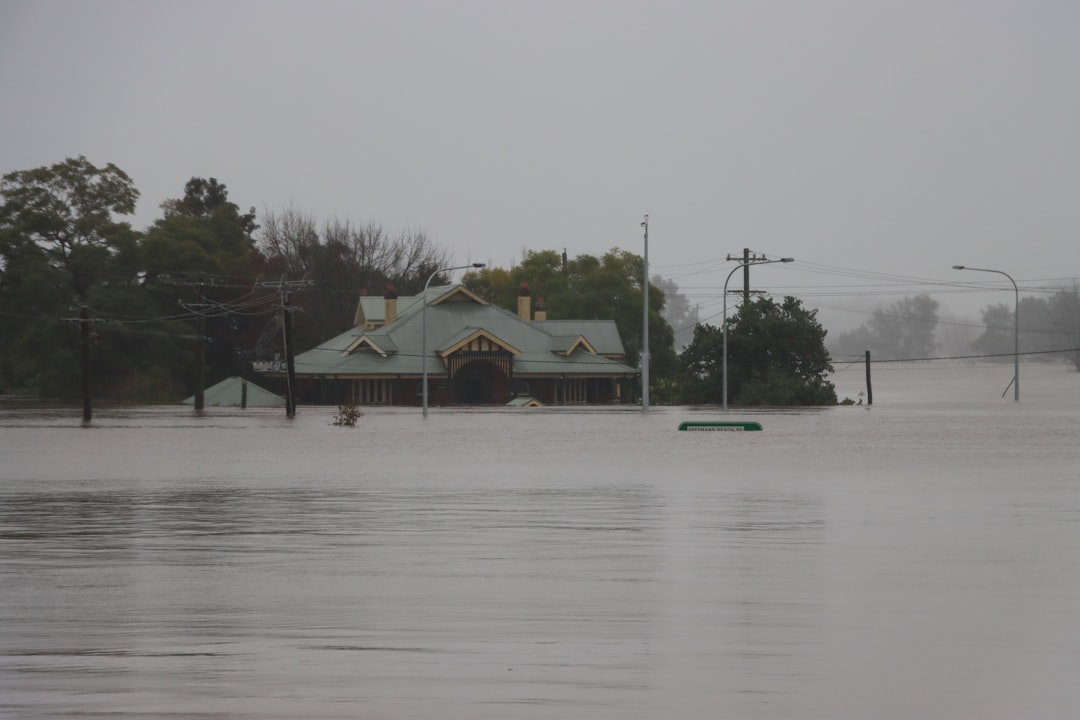
Flood damage is not covered by standard homeowner’s insurance.This misconception can be financially devastating. In insurance terms, a flood is a “general and temporary inundation” of normally dry land, involvingground-up water entrythat affects at least two properties or two acres. This includes river overflow, storm surge, and mudflow. Just one inch of floodwater can cause thousands of dollars in damage.
To protect your property, you need a separate policy through theNational Flood Insurance Program (NFIP)or a private insurer. If you live in ahigh-risk flood zonewith a government-backed mortgage, you are required to have flood insurance. But even outside these zones, it’s a wise investment, as the average flood claim payout is $68,000.
Important:NFIP policies have a 30-day waiting period before coverage begins. You must plan ahead and can’t wait until a storm is approaching.
Ready to protect your home?Get a quote nowthrough FEMA’s FloodSmart website. For a deeper understanding of flood risks, readHow Can Water Damage My Home?.
Immediate Steps After a Flood: Protecting Your Property and Claim
After a flood, the steps you take immediately will shape your recovery and the success of yourflood damage insurance claims.
Safety is the top priority.Floodwater can hide electrical hazards, gas leaks, and structural damage. Do not enter your home until professionals declare it safe. Once cleared, your first task is to shut off the main power and gas lines.
Next, become a detective with your smartphone.Document everythingwith photos and videos. Capture water lines on walls, soaked flooring, and every damaged item. Take wide shots for context and close-ups for detail. This documentation is your evidence for the insurance adjuster. Create an inventory of damaged items, noting make, model, and serial numbers where possible. Gather any receipts you have.

While documenting, take reasonable steps to prevent further damage—a process called “mitigating” your loss. Move undamaged items to dry areas. However,do not throw away damaged items yet. Your adjuster must see them to verify your losses. The ruined couch is evidence until your adjuster says otherwise.
Preventing Mold and Securing Your Property
Time is critical, as mold can begin to grow within 24 to 48 hours. Your flood policy may not cover mold damage if you fail to take prompt action to prevent it.
After photographing everything, remove wet items like soaked carpeting and furniture. Open windows and use fans or dehumidifiers to circulate air and promote drying. For extensive damage, consider professional cleanup services with industrial-grade equipment. Document all your mitigation efforts with photos and keep receipts for any rentals or services, as this supports yourflood damage insurance claims.
If authorities restricted access to your property, preventing you from taking these steps, exceptions to mold coverage rules may apply. Contact your agent for guidance.
For detailed guidance, the EPA offers aHomeowner’s and Renter’s Guide to Mold Cleanup After Disasters. If you need professional help in the Orlando area, considerWater Restoration Services Orlando.
Navigating the Flood Damage Insurance Claims Process
Once your property is secure and the damage is documented, it’s time to begin theflood damage insurance claimsprocess. This is your pathway to recovery.
File your claim immediately.Delays can work against you, and some states have deadlines for filing lawsuits against insurers. When you call your agent or insurance company, have yourpolicy numberand contact information ready. You’ll need to provide a brief, general description of the damage.
The typical timeline for processing a standard flood claim is4-8 weeks, though major disasters can cause delays. Patience and persistence are key during this waiting period.

For step-by-step guidance, see FEMA’s resource onHow to start a flood insurance claim.
How to File Your Flood Damage Insurance Claims
Properly filing yourflood damage insurance claimsfrom the start can prevent future headaches.
- Notify your agent or insurer immediately.They will open a claim file and give you a claim number.
- Continue documenting everything.Keep taking photos and updating your detailed inventory of damaged property with purchase dates and values.
- Complete the Proof of Loss form.This is a sworn statement detailing your claim amount, supported by your documentation. Your adjuster may help prepare it, but you have the final say.
- Submit your Proof of Loss within 60 daysof the flood. This deadline is critical and missing it can jeopardize your entire claim.
During major flood events, you may be eligible foradvance paymentsof up to $20,000 to help with immediate needs. This advance is deducted from your final settlement. For more details, see FEMA’s post onFiling a Flood Insurance Claim.
Working with the Insurance Adjuster
The insurance adjuster is the company’s representative who investigates your damage and recommends a settlement amount for yourflood damage insurance claims.
Always verify their credentials.Ask to see their driver’s license and their “Flood Control Number” card, which authorizes them to work on NFIP claims. Never pay an adjuster directly.
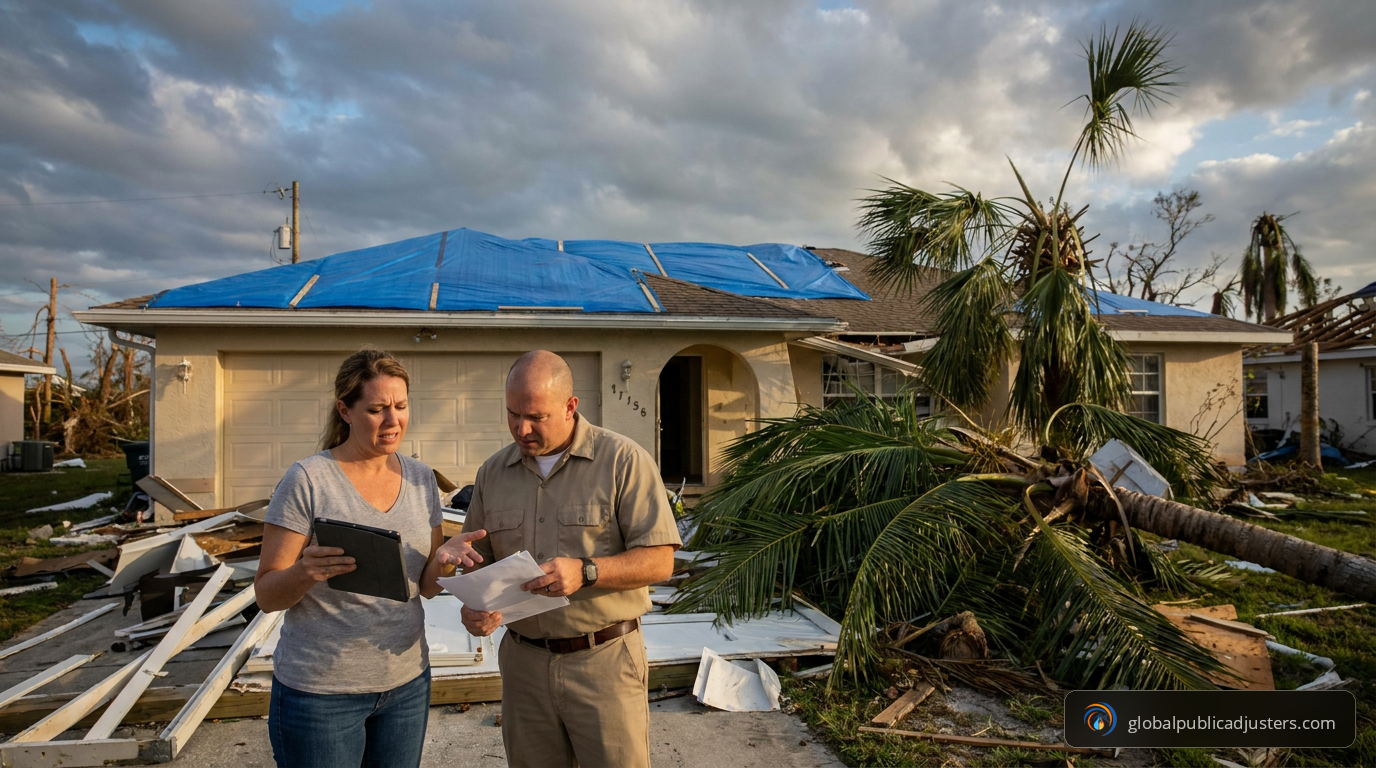
During the inspection, the adjuster will measure, photograph, and document the damage. Provide them with your photos, videos, and inventory lists. The more organized you are, the smoother the process will be.
Review their damage estimate carefully.Compare it to your own documentation. If you find discrepancies or additional damage later, contact your insurer’s claims department. The complexity of flood damage can make it difficult to ensure a fair settlement. At Global Public Adjusters, Inc., we specialize in representing policyholders to maximize their recovery. Learn aboutThe Crucial Role of Public Adjusters in Flood Damage Claims Assistance in Orlando, FL with Global Public Adjusters, Inc..
Understanding Your Settlement and Handling Disputes
After the adjuster’s assessment, you will receive a settlement offer. This is a critical stage in theflood damage insurance claimsprocess where you find out if the offer will be enough to rebuild.
If you have a mortgage, your claim payment will likely be a check made out toboth you and your mortgage lender. Your lender must endorse the check to ensure the funds are used for repairs.
It’s common to feel that the initial settlement offer is too low. Don’t panic; this is often a starting point for negotiation. Insurers base their offers on their adjuster’s report and policy interpretation. If you feel your insurer is acting in bad faith by unreasonably delaying or denying your claim, you have options to fight back.
For homeowners dealing with local flood damage, we offer specific insights atFlood Damage Claims Orlando.
Actual Cash Value (ACV) vs. Replacement Cost Value (RCV)
Understanding the difference betweenActual Cash Value (ACV) and Replacement Cost Value (RCV)is critical for your settlement.
| Feature | Actual Cash Value (ACV) | Replacement Cost Value (RCV) |
|---|---|---|
| Definition | Cost to replace property minus depreciation. | Cost to replace property with a new, similar item. |
| Calculation | Replacement Cost – Depreciation = ACV | Full cost of new item, no initial depreciation. |
| Example | A 10-year-old carpet is valued at its depreciated worth. | A 10-year-old carpet is replaced with a new one. |
| Payout | Lower, as it accounts for wear and tear. | Higher, aims to restore property to pre-loss condition. |
| Payment | Paid upfront. | Often paid in two parts: ACV first, then the rest after repairs. |
ACV pays you for the value of your damaged property on the day of the flood, accounting for age and wear. RCV pays the cost to replace the item with a new one of similar quality. With RCV policies, insurers often pay the ACV first and release the remaining amount (depreciation) after you complete the repairs.
For a deeper dive, seeACV versus replacement cost.
What to Do If Your Flood Damage Insurance Claims are Denied
A denial or low settlement offer is not the final word. You have more power than you think.
- Start with a conversation.Call your adjuster and ask for a detailed written explanation. Simple misunderstandings or missing paperwork can often be resolved this way.
- File an appeal.For NFIP policies, you have 60 days from the denial date to file an appeal with FEMA, which will review your case independently.
- Consider legal action.If you believe your claim was wrongfully denied, you can file a lawsuit. Be aware of your state’s statute of limitations (e.g., one year in Wisconsin for flood damage).
Navigating these disputes alone is challenging. Insurance companies have teams of experts protecting their interests. That’s why public adjusters exist—to level the playing field. With over 50 years of experience, Global Public Adjusters, Inc. knows how to build a strong case and negotiate for the settlement you deserve. Don’t accept an inadequate offer because you don’t know your options. SeeFour Ways a Public Adjuster Can Help with Your Flood Claim.
The Bigger Picture: FEMA, Contractors, and Policy Implications
Beyond yourflood damage insurance claims, you should consider federal aid, contractor selection, and how claims affect future coverage.
If aPresidential Disaster Declarationis made, you may be eligible for federal aid through FEMA. This assistance is for expenses not covered by insurance, like temporary housing or emergency repairs. However, FEMA aid is supplemental, not a replacement for insurance; past payouts have averaged less than $4,000 per household. Even with insurance, you shouldLearn about disaster assistanceand apply if it’s available.
If your property is in a Special Flood Hazard Area and substantially damaged, you may also useIncreased Cost of Compliance (ICC) Coverage. This provides up to $30,000 to help lift, flood-proof, or rebuild your property to meet current building codes. For help navigating these complexities, see6 Reasons to Partner with a Public Adjuster in Your Flood Insurance Claim.
Choosing Contractors and Avoiding Fraud
After a disaster, both legitimate contractors and scammers seek work. Protect yourself with these steps:
- Get multiple written estimatesthat detail the scope of work, materials, and timelines.
- Verify credentials.Ensure any contractor is licensed, bonded, and insured. Ask for proof and check with your state’s licensing board.
- Check referencesfrom recent, local projects.
- Watch for red flags:demands for full payment upfront, high-pressure tactics, or bids that seem too good to be true.
- Check with your local building departmentabout permits before starting work.
FEMA provides guidance to help you Learn who to trust when hiring professionals.
Consequences of Multiple Water Damage Claims
Filing multipleflood damage insurance claimscan impact your insurance future. Insurers track your claim history, which can lead to:
- Policy non-renewal:An insurer may decide you are too high-risk to cover for another term.
- Increased premiums:You may be placed in a higher risk category, leading to higher costs.
This shouldn’t deter you from filing legitimate claims, but it highlights the value of prevention. Regular maintenance on pipes and roofs can prevent many water damage incidents, protecting your home and your insurance record. Learn to spotSome Signs That You Have Water Damage in Your Hometo address issues early.
Frequently Asked Questions about Flood Insurance Claims
Here are answers to common questions aboutflood damage insurance claims, based on our 50+ years of experience.
Does flood insurance cover damage in my basement?
Basements receivelimitedcoverage under standard NFIP policies. The focus is on making the home habitable, not on finished spaces.
- Building coveragetypically protects essential, permanently installed systems connected to power, such as your furnace, water heater, central air units, and sump pumps.
- Contents coverageapplies to appliances like washers, dryers, and freezers.
- What’s not covered:Finished elements like carpeting, drywall, and paneling are generally excluded, as are most stored personal belongings like furniture and boxes.
For more details, FEMA provides an infographic explaining thatBasements receive limited coverage.
How long does a flood insurance claim take?
Most standardflood damage insurance claimstake4 to 8 weeksto resolve. However, several factors can extend this timeline:
- Major catastrophic eventscan create a backlog, as thousands of claims are filed at once.
- Complex damagemay require additional inspections from specialists like structural engineers.
Providing complete and organized documentation is the best way to help speed up your claim.
Can I get an advance on my claim payment?
Yes, this is often possible and can be a financial lifeline. During major, presidentially declared flood events, FEMA allows insurers to issue advance payments to help policyholders with immediate expenses.
You may be eligible forup to $5,000without an adjuster’s visit, and potentiallyup to $20,000with proper authorization. This is not extra money; any advance payment you receive will bededucted from your final settlement amount.
Conclusion
When you’re left with the aftermath of a flood, the path to recovery can seem daunting. However, navigatingflood damage insurance claimsdoesn’t have to be a mystery.
You now know that flood insurance is separate from a standard homeowner’s policy, how to document damage effectively, and the importance of acting fast to prevent mold. You understand what to expect from adjusters, how to approach a settlement, and what to do if your claim is denied.
The reality is that insurance companies have teams of professionals working on their behalf. Shouldn’t you have an expert on your side? The claims process involves complex policy language, strict deadlines, and negotiations that determine your financial recovery.
At Global Public Adjusters, Inc., we have spent over five decades helping homeowners and businesses steer these challenges. Our role is to level the playing field, maximize your settlement, and provide peace of mind during a stressful time.
Recovery is about getting your life back to normal and rebuilding stronger than before. With the right knowledge and support, you can turn a frustrating experience into a successful recovery story.
If you’re ready to take control of your flood damage claim, we’re here to help. Learn how toMaximize Your Flood Damage Claim: The Benefits of Hiring Public Adjusters in Orlando, FL.
Don’t face the insurance company alone.Contact us for a free consultation on your claimand let us help you get the settlement you deserve.