Insurance Payout for Hail Damage: Ultimate 2025 Guide
Why Understanding Insurance Payouts for Hail Damage Matters
When a severe storm leaves your property damaged, understanding theinsurance payout for hail damageprocess is critical. Knowing what to expect can mean the difference between fair compensation and financial hardship.
Quick Facts About Hail Damage Payouts:
- Average auto claim: $5,000 in 2021
- Average homeowner claim: $12,000+ in 2021
- Total annual cost: $8-14 billion across the US
- Coverage required: Comprehensive (auto) or dwelling (home)
- Typical timeline: 30-60 days from claim to settlement
Hail storms can cause thousands of dollars in damage to cars, roofs, siding, and windows. The financial stakes are high; State Farm alone paid over $3.5 billion in hail claims in 2022, a $1 billion increase from the previous year. With repair costs rising, understanding how insurers calculate payouts is more important than ever.
The claims process can feel overwhelming, involving steps like documenting damage, working with adjusters, and understanding the difference between Actual Cash Value and Replacement Cost coverage. Each step impacts your final settlement amount.
Fortunately, most standard insurance policies cover hail damage, but only if you have the right coverage in place before the storm hits.

Simple guide toinsurance payout for hail damageterms:
Understanding Your Insurance Coverage for Hail Damage

Most standard insurance policies protect against hail, but only if you have the right coverage in placebeforethe storm. According to theInsurance Information Institute, hail causes billions in damage annually. Understanding your auto and homeowners policies can save you from paying out-of-pocket for repairs.
The key difference between basic and comprehensive protection often determines whether you receive a substantialinsurance payout for hail damage.
Does Car Insurance Cover Hail Damage?
Yes, but only if you havecomprehensive coverage. This optional add-on handles events out of your control, which insurers call “acts of God.”
- Comprehensive coveragepays for hail damage, theft, vandalism, and falling objects.
- Collision coverageapplies when you hit another car or object.
- Liability-only coveragedoes not cover damage to your own vehicle; it only covers damage you cause to others.
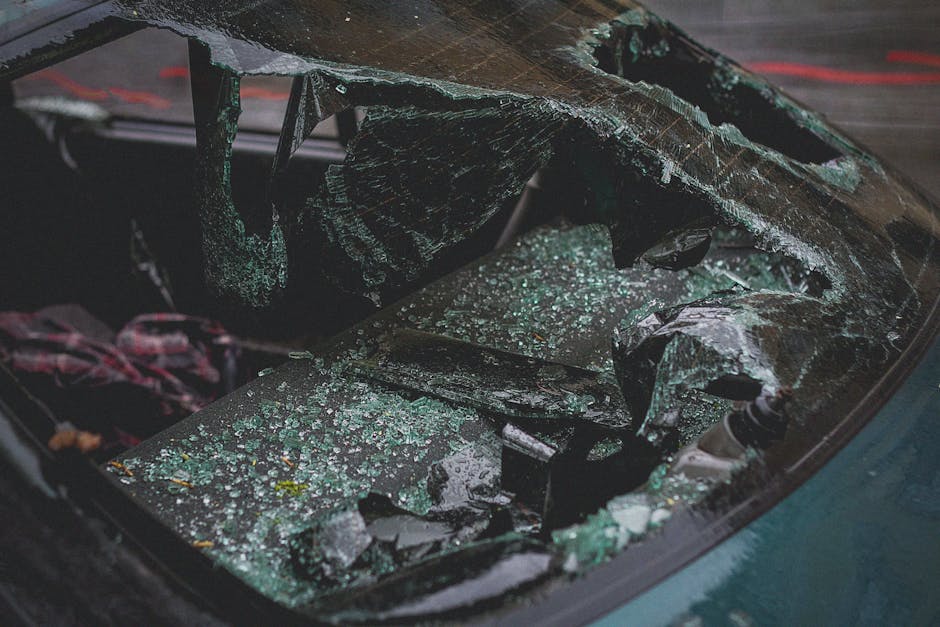
Most comprehensive policies coverglass damagefrom hail. Some insurers even offer deductible waivers for minor windshield repairs, meaning you might pay nothing if the glass can be fixed instead of replaced.
Comprehensive coverage is optional in most states. If you financed your vehicle, your lender likely required it. If you own your car outright, you may have dropped it to save money, a decision that can be costly after a storm.
How Homeowners Insurance Covers Hail Damage
Standard homeowners policies typically include protection against wind and hail as part ofspecified perils coverage. This means hail damage is usually covered without needing extra endorsements.
- Dwelling coverage (Coverage A)protects your home’s main structure, including the roof, siding, and exterior walls. It also covers attached fixtures if water gets inside through hail-created openings.
- Other structures coverage (Coverage B)protects detached buildings like garages, sheds, and fences. This is typically 10% of your dwelling coverage amount.
- Roof damageis the most common and expensive homeowner hail claim. Even small hailstones can damage shingles, leading to leaks and future structural problems.
- Personal property coverageapplies when hail creates an opening that allows rain to damage your belongings inside, such as furniture and electronics.
Understanding yourdeductiblesis crucial. Many policies in hail-prone areas have separate wind and hail deductibles, often calculated as a percentage (e.g., 1-3%) of your dwelling coverage rather than a flat dollar amount. A 2% deductible on a $300,000 home means you pay the first $6,000 of a claim.
Be aware ofpolicy exclusions. Some policies exclude purely cosmetic damage that doesn’t affect the structure’s function. Review your policybeforestorm season to understand your limits, deductibles, and exclusions. For more on property claims, see our guide onproperty damage claims.
Knowing your coverage sets realistic expectations for any potentialinsurance payout for hail damage.
The Hail Damage Claim Process: A Step-by-Step Guide

Filing a claim for aninsurance payout for hail damageis a manageable process when you know the steps. The key is to act quickly and keep detailed records to prove the damage occurred during the storm you’re claiming for.
What to Do Immediately After a Hail Storm
Safety comes first.Before inspecting damage, check for downed power lines or major structural threats. Your safety is more important than any property damage.
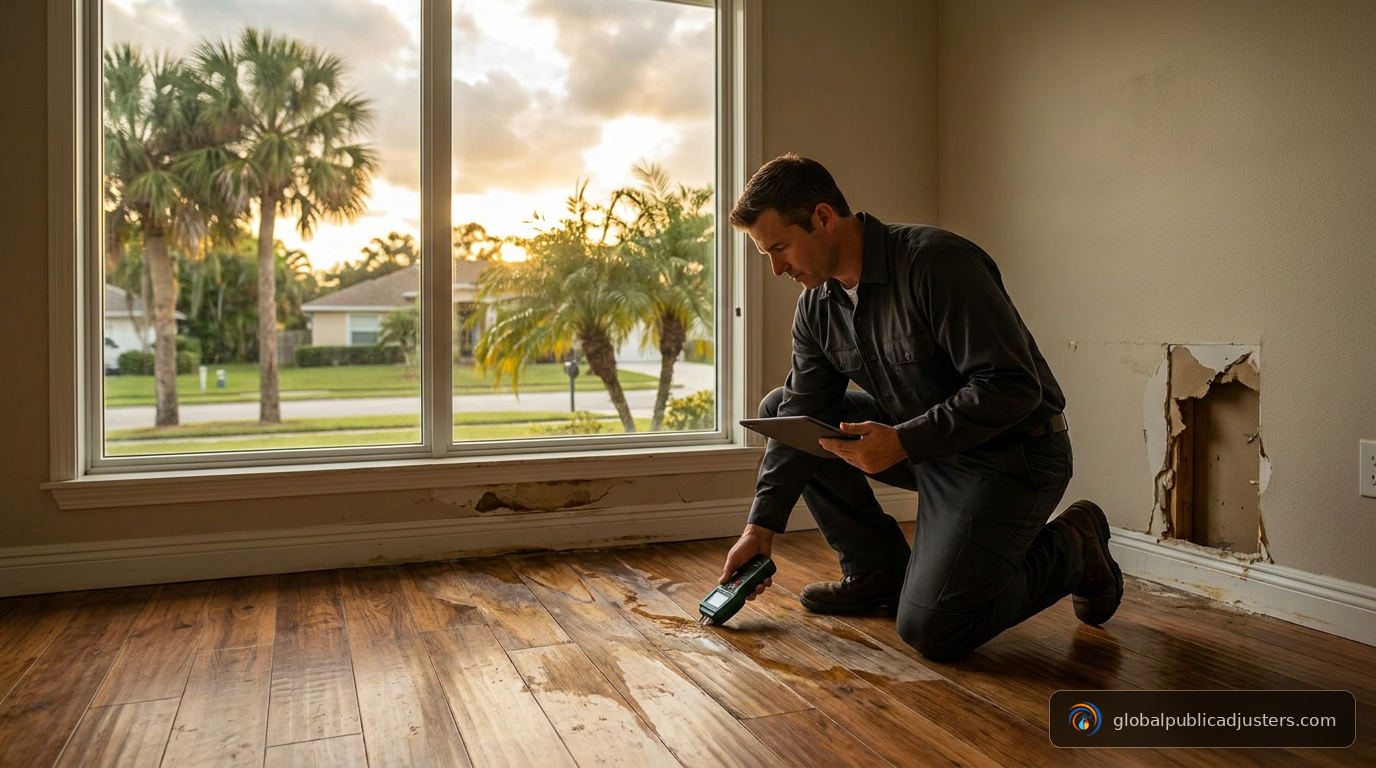
Once it’s safe, use your smartphone todocument everything thoroughly. This is crucial for getting the payout you deserve.
- Take wide shots to show overall context, then detailed close-ups of every dent and crack.
- Photograph your roof (safely from the ground), siding, windows, and outdoor AC units.
- For your vehicle, take pictures from multiple angles in good light. Even small dents add up.
- Ensure your photos have date and time stamps to link the damage directly to the storm.
Take reasonable steps toprevent further damage. Cover broken windows with plastic or tarp damaged roof sections. Keep all receipts for these temporary repairs, as they are often reimbursable.
For your claim, you will need your policy number, the storm date, photos/videos, a damage list, and receipts for temporary repairs.
Filing Your Claim and Working with the Adjuster
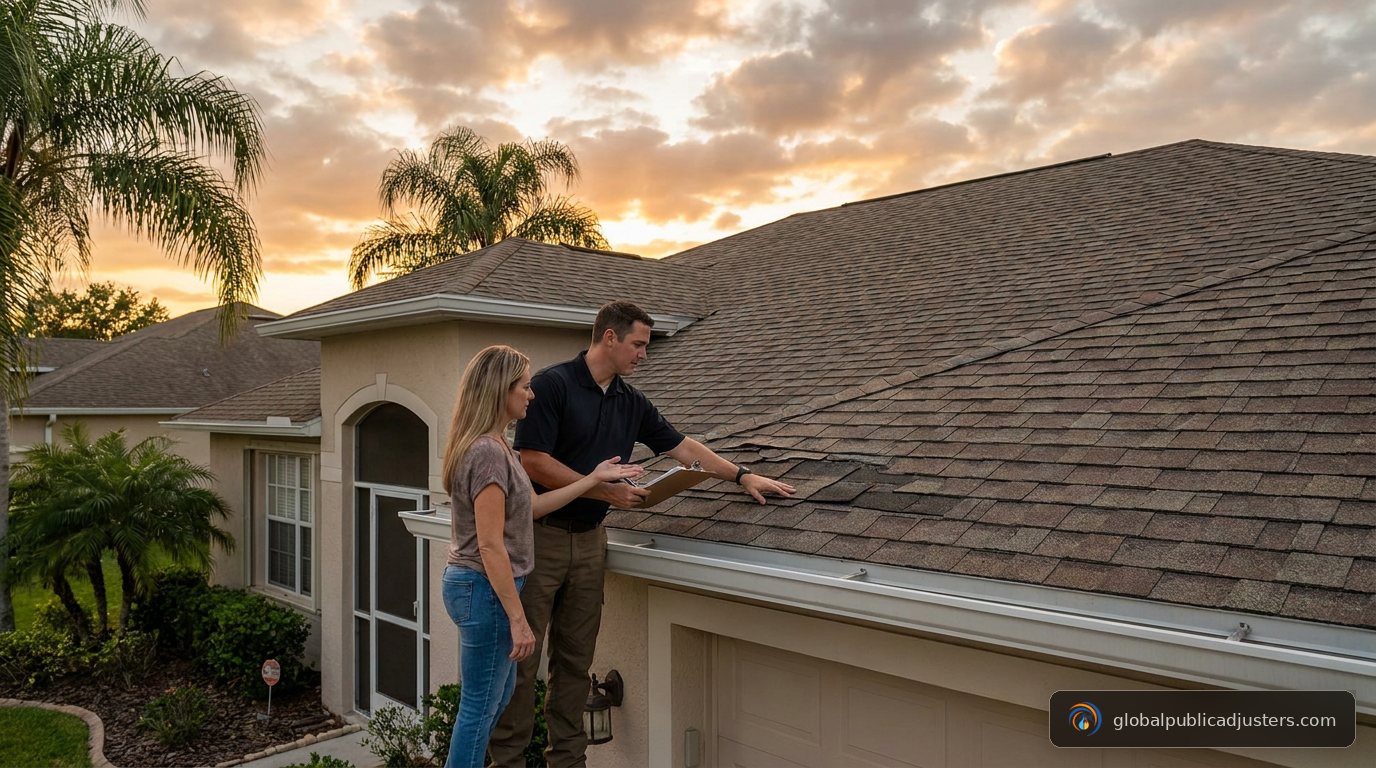
Contact your insurance companyas soon as possible via their claims hotline or online portal. Your insurer will assign aclaims adjusterwho will schedule an inspection.
Be present for the adjuster’s inspection. Walk them through the damage, using your photos and notes to point out anything they might miss. It’s your responsibility to ensure nothing is overlooked.
While waiting,get at least two or three repair estimatesfrom licensed, reputable contractors. This gives you a realistic idea of repair costs to compare with the adjuster’s estimate. Learn more abouthow hail storms can damage your home.
Your insurer will likely require aProof of Loss form, a formal document detailing your claim. Be accurate and complete with this paperwork.
The process from filing to receiving yourinsurance payout for hail damagetypically takes30 to 60 days, but can be longer after major storms. You don’t have to steer this alone; an experienced public adjuster can help ensure your claim reflects the full extent of your losses.
How Insurers Calculate the Insurance Payout for Hail Damage

Understanding how insurers calculate yourinsurance payout for hail damagedemystifies the process. The calculation hinges on the adjuster’s assessment and, most importantly, your policy’s coverage type.
Theestimation processbegins when an insurance adjuster inspects your property, documenting every dent and crack, sometimes using drones for roof access. They use specialized software to estimate repair costs, which forms the basis of your initial payout offer.
Your final payout depends heavily on two key concepts:Actual Cash Value (ACV)andReplacement Cost Value (RCV).
- Actual Cash Value (ACV)is what your property was worth right before the storm, accounting for depreciation due to age and wear. It pays for the depreciated value of your damaged roof, not the cost of a new one.
- Replacement Cost Value (RCV)pays to replace your damaged property with new, similar materials, without deducting for depreciation. This is the superior coverage.
The difference can be thousands of dollars. With RCV, you typically get two payments: an initial check for the ACV (minus your deductible), and a second check for the remaining amount (recoverable depreciation) after you complete repairs and provide receipts.
| Scenario: 10-Year-Old Roof, $30,000 to Replace, $1,000 Deductible, 50% Depreciation (ACV = $15,000) | Actual Cash Value (ACV) Payout | Replacement Cost Value (RCV) Payout |
|---|---|---|
| Initial Payout (after deductible) | $15,000 – $1,000 =$14,000 | $15,000 – $1,000 =$14,000 |
| Recoverable Depreciation (paid after repairs are complete and verified) | $0 | $30,000 (RCV) – $15,000 (ACV) =$15,000 |
| Total Payout | $14,000 | $29,000($14,000 + $15,000) |
Yourdeductibleis subtracted from the total claim amount before you receive payment.
Factors Influencing Your Insurance Payout for Hail Damage
Several factors impact your final payout:
- Severity of damage: Functional damage (like punctures) results in a larger payout than cosmetic damage (minor dents).
- Age and condition of property: A newer, well-maintained roof will have less depreciation applied than an older one.
- Policy limits: Your policy has a maximum payout amount for any single claim.
- Type of coverage (ACV vs. RCV): As shown above, this is one of the most significant factors.
- Regional repair costs: Labor and material costs vary significantly by location.
Understanding the Average Insurance Payout for Hail Damage
While every claim is unique, industry averages provide a useful baseline.
- Auto hail damage: The average claim was$5,000in 2021.
- Homeowner claims: The average payout exceeded$12,000in 2021. State Farm reported a similar average of$12,000for roof hail damage in 2020 and 2021.
State-specific datashows that states in “Hail Alley,” like Texas and Minnesota, see the highest claim volumes and payouts. As noted inState Farm hail claim statistics, total payouts are rising dramatically due to storm severity and inflation. Your specificinsurance payout for hail damagewill depend on your unique circumstances.
When Hail Damage Results in a Total Loss
Sometimes, hail damage is so severe that repairs cost more than the property is worth. For vehicles, this is called a “total loss.” An insurer declares a car a total loss when repair costs exceed a certain percentage (often 70-100%) of the car’s pre-storm value.
If your car is totaled, theinsurance payout for hail damagefollows different rules. Instead of paying for repairs, the insurer offers a cash settlement. You have several options and, in some cases, room to negotiate.
Your Options for a Totaled Vehicle
When your car is declared a total loss, you have a few choices:
- Accept the cash settlement: This is the most common option. The insurer pays you the car’s Actual Cash Value (ACV) minus your deductible, and they take the vehicle. You can then use the money to buy a new car.
- Keep the vehicle and repair it: The insurer pays you the ACV minus your deductible and the car’s salvage value (what it’s worth for parts). You keep the car and the remaining cash but will receive a salvage title.
- Use replacement cost coverage: If you have this special coverage (usually for newer cars), your policy may pay enough to buy a brand-new replacement vehicle.
- Negotiate the value: If you believe the insurer’s ACV offer is too low, you can negotiate. Provide evidence of recent maintenance, excellent condition, or higher sale prices for similar vehicles in your area to support your case.
What is a Salvage Title and How Does it Affect You?
If you keep a totaled vehicle, the DMV will issue it asalvage title, permanently branding it as having been severely damaged. A car with a salvage title cannot be legally driven until it is repaired and passes a rigorous state inspection to receive arebuilt title.
This branded title creates significant problems:
- Insurance: Most companies will not offer comprehensive or collision coverage on a rebuilt vehicle, and some may refuse to insure it at all.
- Resale Value: The car’s value is permanently reduced, often by 20-40%, compared to a similar vehicle with a clean title.
Deciding whether to take theinsurance payout for hail damageor keep a totaled vehicle is a major decision. For severe damage situations, a public adjuster can help you understand your options and secure a fair settlement. Learn more aboutWhy you might need a public adjuster for severe property damage.
Frequently Asked Questions about Hail Damage Claims
Here are answers to the most common questions we receive about hail damage claims.
Will filing a hail damage claim increase my insurance premiums?
Usually not for a single claim. Hail damage is considered an “Act of God,” so insurers typically treat it as a“no-fault” claim. You cannot be penalized for something you didn’t cause.
However, all claims are recorded in aC.L.U.E. report, a database that tracks your claims history for up to seven years. While one hail claim is unlikely to affect your rates,multiple claimsin a short period can make you appear as a higher risk to insurers.
Your rates could also increase due toregional rate adjustments. If your entire area experiences frequent, severe storms, the risk for the whole zip code increases, and insurers may raise rates for everyone, regardless of individual claim history. For more details, see thisInformation on C.L.U.E. reports.
Is it worth fixing hail damage on a car or home?
This depends on several factors:
- Cost vs. Deductible: If repair costs are only slightly more than your deductible, paying out-of-pocket might be better to avoid filing a claim.
- Cosmetic vs. Functional Damage: Minor cosmetic dents may not be a priority, but functional damage (like a cracked windshield or compromised roof) must be addressed to prevent further issues and ensure safety.
- Resale Value: Unrepaired hail damage significantly lowers the resale value of a car or home.
- Potential for Future Issues: Small dents can lead to rust on a car, and minor roof damage can cause leaks, water damage, and mold. If you don’t repair documented damage, your insurer may deny future claims for those same areas.
Many insurers will restrict coverage on previously damaged areas if you take aninsurance payout for hail damagebut don’t make the repairs.
How long do I have to file a hail damage claim?
Time is critical. While thestatute of limitationsvaries by state (often one to several years), yourpolicy deadlinemay be much shorter, typically six months to a year.
Prompt filing is essentialfor several reasons:
- Proving the Source: The longer you wait, the harder it is to prove the damage was caused by a specific storm, not later events or general wear.
- Preventing Further Damage: Delaying repairs can lead to secondary issues like leaks or mold, which may not be covered.
- Claim Volume: Filing early after a major storm helps you get ahead of the rush and can lead to faster processing.
Always check your policy or contact your insurer to confirm your specific filing deadline. When it comes to aninsurance payout for hail damage, do not procrastinate. For more on this topic, read our guide on thehail damage insurance claim time limit.
Conclusion
When hail damages your car or home, securing theinsurance payout for hail damageyou deserve is achievable with the right knowledge and approach.
Here are the key takeaways:
- Be Proactive: Review your policy before a storm hits. Ensure you have comprehensive coverage for your vehicle and understand your homeowners policy’s dwelling coverage and deductibles.
- Act Quickly: After a storm, document all damage with photos and videos and take steps to prevent further harm.
- Understand Payouts: Knowing the difference between Actual Cash Value (ACV) and Replacement Cost Value (RCV) can mean thousands of dollars in your final settlement.
- Know Your Options: For severe damage, understand what a total loss entails and the implications of a salvage title.
- File Promptly: Adhere to your policy’s deadlines to protect your right to coverage.
You don’t have to steer this process alone. Insurance companies have teams of professionals working for them; you should have an expert on your side, too.
At Global Public Adjusters, Inc., we have over 50 years of experience advocating for homeowners and business owners. We understand insurance company tactics and know how to maximize yourinsurance payout for hail damage. We focus on your bottom line, not the insurer’s.
If hail has damaged your Orlando property, don’t face the insurance company by yourself. The difference between handling a claim alone and having a professional advocate can be thousands of dollars.
Contact us for help with your Hail Damage Claim in Orlando. Let’s turn that storm damage into the fresh start you deserve.