
Can a public adjuster help with a commercial insurance claim?
Yes. A licensed public adjuster represents the business, association or church, not the insurer. We document the building damage, contents, equipment and lost income, review every coverage in the policy and negotiate the claim. There is no upfront cost: the fee is a percentage of what the insurer pays.
Send us photos. Get a licensed adjuster's opinion, free.
- 1Snap photos or video of the damage
- 2Add your policy or the insurer's letter
- 3A licensed adjuster calls you with an honest answer
Commercial property claims are a different kind of claim
A home claim usually involves one policy and one family. A commercial claim can involve several buildings, a blanket limit, tenants, a lender, a board of directors, inventory, equipment and months of lost income. The policy is longer, the deductibles are bigger and the insurance company sends a team of experts. That is why large commercial and association claims are where property owners most often get underpaid, and where a public adjuster can make the biggest difference.
Who we help

Commercial Property
Offices, retail, restaurants, warehouses, hotels and apartment buildings.
Learn more →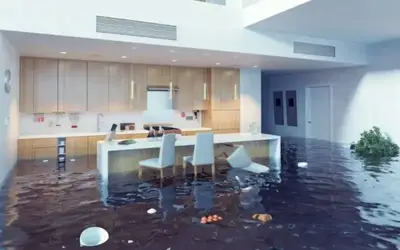
Condo and HOA Associations
Master policy claims for boards, plus help for individual unit owners.
Learn more →Churches and Houses of Worship
Sanctuaries, steeples, fellowship halls, schools and parsonages.
Learn more →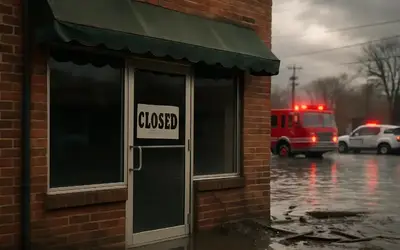
Business Interruption
Lost income, continuing expenses, extra expense and loss of rents.
Learn more →A church with a daycare: from a denial and a partial payment to more than $1.45 million
This Orlando-area church serves a congregation of more than 1,500 members and runs a daycare on its campus. A storm tore the roof membrane off the secondary building and threw it into the parking lot. The insurance company paid for only part of that roof, and it denied the claim on the main sanctuary entirely, calling the damage wear and tear.
After the church brought in Global Public Adjusters, we inspected both buildings again, documented the storm damage with drone photos, rebuilt the scope for a full roof replacement and the interior damage, and presented the claim to the insurer. The result: more than $1.45 million for full roof and interior replacement.
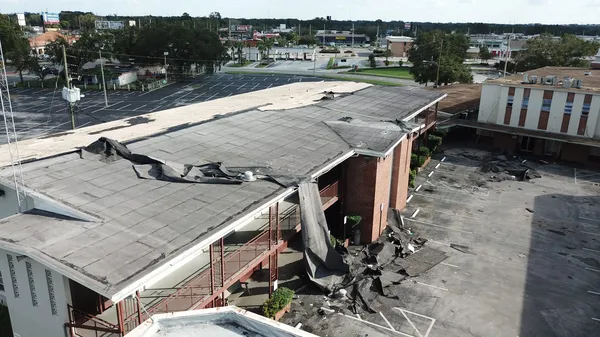
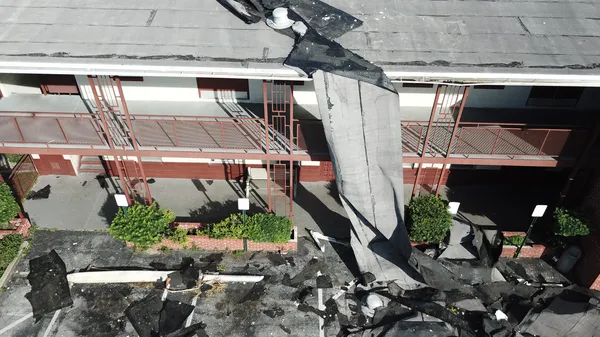
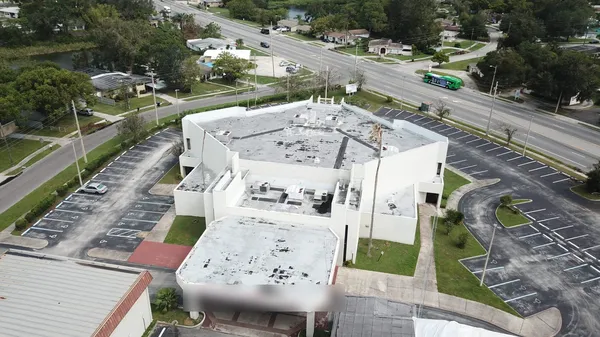
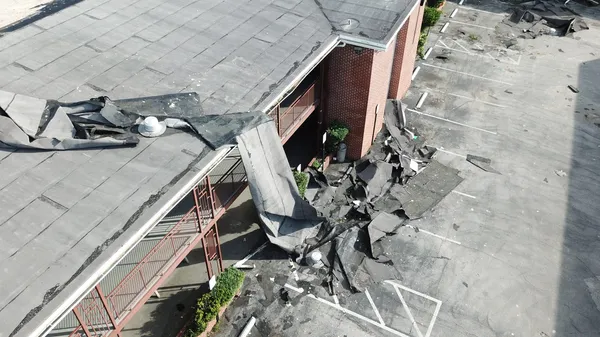
Church name withheld for privacy. Every claim and policy is different, and past results do not guarantee a similar outcome.
The most common commercial losses in Florida
Hurricane and windstorm
Roof membranes peeled back, rooftop units torn loose, broken storefront glass, damaged signage and water forced in through the building envelope.
Water and sprinkler leaks
Burst supply lines, failed fire sprinkler heads, roof drains that back up and AC condensate leaks that soak ceilings, inventory and equipment.
Fire and smoke
Kitchen fires, electrical fires and fires that spread from a neighboring unit, plus smoke and soot damage far from where the fire started.
Flood and storm surge
Rising water and surge are usually excluded from the property policy and need separate flood coverage, which makes the wind versus water line critical.
Hail
Punctured roof membranes, damaged skylights and dented metal panels and rooftop equipment that often go unnoticed until a leak starts.
Lightning and power surge
Fried electrical panels, elevators, fire alarm systems, phone systems, computers and refrigeration.
Theft and vandalism
Break-ins, stolen AC copper and equipment, graffiti and damage to vacant or closed buildings.
Mold after water damage
Mold that grows behind walls and above ceilings after a leak, often with a separate and smaller coverage limit.
Collapse and sinkhole
Structural cracking, settlement and catastrophic ground cover collapse, which Florida treats differently from other sinkhole damage.
Talk to a commercial claims adjuster
Free review of your policy and the damage. No upfront cost, and you decide if we take the claim.
What a public adjuster does on a large loss
One advocate on your side
The insurance company has its own adjuster, engineer and accountant. We work only for the owner, the association or the church.
Complete building scope
We inspect the roof, envelope, interiors, mechanical, electrical and plumbing systems, and bring in engineers or specialists when a loss needs them.
Contents, inventory and equipment
Inventory, furniture, fixtures, equipment and tenant improvements are listed and priced item by item so nothing is left off.
Lost income proven with numbers
We document business income, extra expense and loss of rents with the financial records the insurer will ask for.
Code upgrades and hidden costs
Ordinance or law coverage, permits, matching and debris removal are often missed on first offers to commercial owners.
Deadlines and paperwork handled
Notice, proof of loss, document requests, examinations and appraisal deadlines are tracked and met so the claim stays alive.
Where commercial claims get underpaid
- Coinsurance penalties. If the building was insured for less than the policy requires, the insurer can cut every payment. Values set years ago often fall short after construction costs went up. See how coinsurance works.
- Named storm and hurricane deductibles. These are often a percentage of each building's insured value, so how the damage is split between buildings and events matters.
- Wind versus flood. Wind is usually covered by the property policy while flood and surge are not. Proving what the wind did first protects the part of the claim the policy covers.
- Code upgrades left out. Older buildings repaired after a loss often must meet today's building code. Ordinance or law coverage can pay for that, but only if it is claimed.
- Lost income cut short. Insurers often argue the restoration period should have been shorter or the income would have been lower anyway. How business interruption claims work.
First 72 hours after a commercial loss
- Make the building safe and stop further damage: tarps, board-up, water extraction. Keep every invoice.
- Report the loss to your carrier in writing and note the claim number.
- Take wide and close-up photos and video of every damaged area before cleanup.
- Do not throw out damaged inventory or equipment until it has been documented.
- Start a separate account or cost code for every extra expense.
- Pull your policy, including all declarations and endorsements, and call us for a free review.
Commercial Claims FAQ
Do public adjusters handle commercial claims in Florida?
Yes. Licensed Florida public adjusters can represent owners of offices, retail centers, restaurants, warehouses, hotels, apartment buildings, condo and HOA associations, churches and nonprofits on any first-party property claim.
When should a business call a public adjuster?
As early as possible, ideally before the insurer's inspection. Early involvement helps document all the damage, protect the lost income claim and avoid mistakes in the first statements to the carrier. We also review claims that are already open, underpaid or denied.
Do you work with our property manager, board or attorney?
Yes. We regularly work with property managers, association boards, pastors and trustees, lenders and the owner's attorney, and we keep everyone updated as the claim moves forward.
Can you help after the insurance company already made an offer?
Often, yes. Florida generally allows supplemental claims within 18 months of the date of loss for additional damage from the same event, and many commercial policies include an appraisal process for disputes over the amount of the loss.
How much does a public adjuster charge on a commercial claim?
Nothing upfront. The fee is a percentage of what the insurance company pays, agreed in writing before we start. Florida law caps public adjuster fees at 10% for claims from a declared emergency in its first year and 20% otherwise. On larger commercial losses the percentage is often negotiated lower.
Commercial claim help near you
We handle commercial, association and church claims statewide from our Orlando and Pensacola offices. See all service areas.